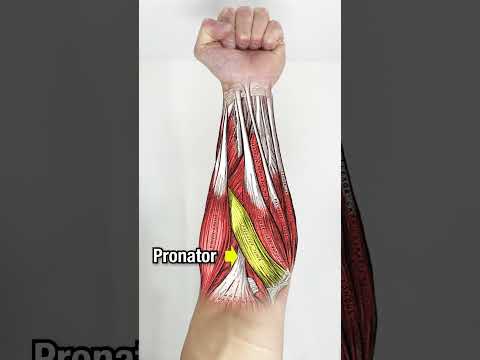
Have you ever noticed how much we rely on our hands and forearms in daily life? From carrying groceries to playing your favorite sport, grip strength plays a vital role. It’s not just about how hard you can squeeze; a strong grip can improve your performance and prevent injuries.
Strengthen Your Grip: 13 Forearm Exercises You Can Try will guide you through simple yet effective exercises that can enhance your grip strength. These exercises are perfect for everyone, whether you’re an athlete, a musician, or someone simply looking to strengthen their hands for everyday tasks.
Before diving into these exercises, it’s important to approach them wisely. Some individuals may have existing conditions or injuries that could be aggravated by these movements. Always listen to your body and consult with healthcare professionals for personalized advice. Seek guidance from different specialists and reliable sources to ensure you’re making informed decisions about your health and fitness journey.
So, are you ready to discover the power of a stronger grip? Let’s get started!
The information provided in this article is intended solely for general informational and educational purposes. It does not constitute medical advice, diagnosis or professional treatment, and should not be considered a substitute for consultation with a qualified doctor or other licensed healthcare professional. Any health-related decisions should be made in consultation with accredited medical professionals.
While efforts have been made to ensure the information is accurate and up to date, no guarantees are given—either express or implied—regarding its accuracy, completeness, currency or suitability. Use of this information is at your own discretion.
It is strongly recommended to consult official sources such as the NHS (National Health Service) or other recognised medical institutions before acting on any information contained on this website or article. Under no circumstances should professional medical advice be ignored or delayed due to content read here.
This content is of a general and informational nature only. It is not intended to replace individualised guidance from a healthcare professional or to establish any doctor-patient relationship. The publication of this information does not imply any professional responsibility, guarantee or obligation on the part of the author or this site.
Unlock Your Full Potential with Powerful Grip and Forearm Workouts
Strengthening your grip and forearms can greatly impact your overall physical performance. It’s like the foundation of a house; if it’s strong, everything else stands tall.
Many activities we do rely on hand strength. Think about lifting groceries, playing sports, or even typing on a keyboard. A strong grip means more control and less strain in those activities.
Here are some simple ways to improve your grip and forearm strength:
When incorporating these exercises into your routine, start slow. Just like building muscle elsewhere in the body, gradual improvement is key.
Don’t forget to give yourself rest days too! Muscles need time to recover after workouts.
A common myth is that only heavy lifting builds grip strength. In reality, detailed movements, like those mentioned above, also play an essential role.
Moreover, a strong grip isn’t solely about muscle; it’s also about coordination and endurance. Working on different aspects will give you balanced development.
Ultimately, consistent practice is what drives progress. Like learning a musical instrument or mastering cooking skills—regular effort brings results over time.
So whether you’re looking to improve performance in sports or simply want better hand strength for everyday tasks—incorporating grip exercises can make a significant difference.
Unlock Your Grip Strength with This Game-Changing Move
Grip strength is often an overlooked aspect of overall fitness and daily life. Yet, it plays a crucial role in many activities, from lifting weights to carrying groceries. Improving grip strength can enhance your performance in sports and prevent injuries.
One game-changing move to try is the **farmer’s walk**. This exercise involves holding heavy weights in both hands and walking a certain distance. Think of it like carrying two heavy bags while strolling through the park. It sounds simple, but it works wonders for your grip and forearm muscles.
Why choose the farmer’s walk? It targets several key areas:
To begin, pick a couple of dumbbells or kettlebells with a weight that feels challenging but manageable. Stand up straight with one weight in each hand at your sides. Keep your shoulders back and head up.
Then, start walking slowly for about 20 to 30 paces or until you feel fatigued. Focus on maintaining good posture; this ensures you’re also engaging your core muscles.
You can increase difficulty over time by adding more weight or walking longer distances. As you progress, you’ll probably notice everyday tasks become easier too.
Another option is to incorporate squeezing exercises. Using a stress ball or grip trainer can help build strength while you’re relaxing at home or even watching TV. Just remember not to overdo it; moderation is key.
Here are some tips:
Remember, improving grip strength takes time and consistency. It won’t happen overnight, but with dedication, you’ll likely feel stronger both physically and functionally.
Lastly, if you’re unsure about starting any new exercise routine, it’s always wise to chat with someone knowledgeable about fitness or health for personalized advice without feeling rushed into choices.
Unlocking the Secrets to Daily Forearm Training: Is It Right for You?
Many people overlook forearm training when it comes to exercising. However, these muscles play a crucial role in overall strength and functionality.
Forearms are involved in numerous daily activities. From carrying groceries to typing on a keyboard, strong forearms can enhance your performance in various tasks.
Why focus on your forearms? Strengthening these muscles can improve your grip. A stronger grip not only helps with lifting weights but also supports joint stability in the arms and shoulders.
You don’t need fancy equipment to train your forearms. Simple exercises can be done at home using just your body weight or common household items.
Some effective exercises include wrist curls, reverse wrist curls, and farmer’s walks. These movements target different muscles within the forearm, helping create balance and overall strength.
It’s important to listen to your body while training. If you experience pain—instead of the usual discomfort from working out—consider scaling back or trying different exercises.
Training frequency is another key consideration. Unlike larger muscle groups that typically need more recovery time, you might train your forearms several times a week since they recover faster.
Common myth: Some people believe that doing lots of wrist curls is enough for forearm training. However, it’s effective to incorporate a variety of movements for balanced development.
Always be mindful of your form during exercises. Improper technique can lead to strain or injury over time. Quality over quantity is essential here!
Lastly, if you’re unsure whether daily forearm training is right for you, consider consulting with someone who understands fitness well. They can help tailor a routine that fits into your lifestyle and goals without risking injury.
In conclusion, unlocking the secrets of daily forearm training could provide more benefits than you realize! Embrace this often-neglected area—your hands will thank you!
Strengthening your grip is often overlooked but vital for overall physical health and functional performance. The forearms play a crucial role in various daily activities, from opening jars to lifting weights.
In “Strengthen Your Grip: 13 Forearm Exercises You Can Try,” the focus is on simple exercises that can be integrated into a regular fitness routine. These exercises target different muscles in the forearm, promoting not just strength but also stability and endurance.
Key points to consider include:
By incorporating these exercises into your routine, you empower yourself to improve not just grip strength but overall arm function. Remember, consistency is key!