The information provided in this article is intended solely for general informational and educational purposes. It does not constitute medical advice, diagnosis or professional treatment, and should not be considered a substitute for consultation with a qualified doctor or other licensed healthcare professional. Any health-related decisions should be made in consultation with accredited medical professionals.
While efforts have been made to ensure the information is accurate and up to date, no guarantees are given—either express or implied—regarding its accuracy, completeness, currency or suitability. Use of this information is at your own discretion.
It is strongly recommended to consult official sources such as the NHS (National Health Service) or other recognised medical institutions before acting on any information contained on this website or article. Under no circumstances should professional medical advice be ignored or delayed due to content read here.
This content is of a general and informational nature only. It is not intended to replace individualised guidance from a healthcare professional or to establish any doctor-patient relationship. The publication of this information does not imply any professional responsibility, guarantee or obligation on the part of the author or this site.
Have you ever thought about how you chew your food? You might be surprised to learn that a small muscle plays a big role in that process. It’s called the buccinator, and most folks don’t even know it exists. But hey, if you’re curious about how your body works, this muscle is worth a closer look.
The buccinator sits in your cheeks and helps with everything from eating to speaking. It keeps food between your teeth while chewing, so it’s pretty essential for proper digestion. Did you know that issues with this muscle can lead to difficulties in swallowing or even speaking clearly? That’s why understanding its anatomy and function matters.
In this article, we’ll dive into what the buccinator is, how it functions, and why taking care of it is crucial for your overall health. Remember though—this isn’t medical advice. Always consult a healthcare professional for any health-related concerns or questions you may have.
Discover the Hidden Role of the Buccinator in Facial Movement and Function
Understanding the Buccinator Muscle
The buccinator is a thin, flat muscle located in your cheek area. It plays a key role in facial movement and function. Think of it like the inner wall of your cheeks, helping to keep food in place while you chew.
Anatomy of the Buccinator
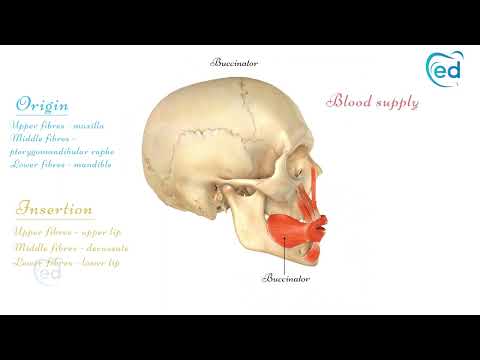
The buccinator originates from the maxilla (upper jaw) and mandible (lower jaw), extending sideways to attach at the corner of your mouth. It’s part of a group of muscles known as the facial muscles, which control expressions and movements.
When you smile, laugh, or even whistle, the buccinator gets involved. It helps maintain tension in your cheeks and assists in pushing food back toward your molars for chewing.
Role in Facial Expression
Ever noticed how your cheeks move when you smile? That’s largely thanks to the buccinator! It contributes to various expressions—providing definition to smiles or even frowns. Without it, our ability to communicate emotions through facial cues would be limited.
Importance for Chewing and Speaking
The muscle aids not just in chewing but also in speaking clearly. If you’ve ever tried talking while chewing gum, you might realize how much we rely on this muscle. It prevents food from getting trapped between your teeth and teeth or gums, making it easier to articulate words.
Potential Issues with Buccinator Function
If something goes wrong with this muscle—like after an injury or surgery—people may experience difficulties with eating or speaking. For example, if it’s weak due to nerve damage, one side may droop leading to issues like drooling or difficulty controlling food.
Caring for Your Buccinator Health
You know what? It’s essential to take care of oral health overall because it can impact buccinator function too. Regular dental check-ups can help spot potential problems early on!
Conclusion: The Hidden Role You Might Overlook
A lot happens behind-the-scenes when we perform basic functions like eating and expressing ourselves. The buccinator is often overlooked yet incredibly significant.
If you find yourself having any concerns about facial movements or discomfort while eating or talking, consulting a healthcare professional could be really valuable—crucial even! Just remember that every little muscle plays its part toward holistic well-being!
Exploring the Impact on Facial Movement and Function
Understanding the Buccinator Muscle
The buccinator is a small but mighty muscle located in your cheeks. It’s like a natural cheek filler, helping you control your facial movements. Think of it as the muscle that keeps food in place while chewing and helps you blow air out when you’re playing a musical instrument or blowing up a balloon.
Anatomy of the Buccinator
Anatomically, it’s positioned between your maxilla (upper jaw) and mandible (lower jaw). This means it stretches across the sides of your mouth. It works closely with other muscles around the face to create various expressions and functions. Sometimes we forget about these tiny muscles because they play such subtle roles.
The Role in Health
You might wonder why this little muscle matters so much. Well, proper functioning of the buccinator is essential for speaking clearly. If it’s weak or injured, you could have slurred speech or difficulty holding food in your mouth.
Moreover, think about someone who’s had a stroke; they might experience issues with facial movement due to weaknesses in this area. It really shows how interconnected all our facial muscles are, doesn’t it?
Common Issues
Sometimes people deal with conditions like Bell’s palsy, which can temporarily weaken one side of the face including the buccinator muscle. This can make everyday tasks like eating or talking frustratingly challenging.
- Facial paralysis: Movements may become asymmetric.
- Difficulties eating: Food can fall from the mouth easily.
- Speech issues: Sound clarity can be compromised.
The Impact on Facial Movement
If your buccinator isn’t working well, other muscles may try to pick up its slack—but that can lead to fatigue or overuse injuries. You could feel tightness or discomfort if everything isn’t working harmoniously together.
Caring for Your Buccinator
You know what? Keeping this muscle healthy is easier than it sounds! Regular physical activity helps maintain strength. Even simple jaw exercises can make a difference—like gently chewing gum or practicing smiling widely.
The Bottom Line
The buccinator plays an important role not just in movement but also in function related to eating and speaking. Keeping an awareness of how this small muscle contributes to our daily lives emphasizes its importance more than one might think!
Unveiling the Role of the Buccinator in Everyday Expressions and Functions
Understanding the Buccinator Muscle
The buccinator muscle is a small but mighty muscle located in your cheek area. It’s actually shaped like a trumpet, which is funny since it’s involved in actions like blowing. This muscle plays a crucial role when it comes to facial expressions, chewing, and even talking.
Where Is It Located?
The buccinator is situated between your jaw and teeth, forming the wall of your cheek. It sits deep beneath your skin and helps keep food positioned between your teeth while you chew. Think of it as a helper that prevents food from getting stuck in the inner corners of your mouth.
Functions of the Buccinator
- Facial Expressions: Ever laugh or smile? The buccinator helps create those expressions by moving the cheeks inward.
- Chewing: While you munch on snacks or meals, this muscle keeps everything in place, so it doesn’t end up on your gums.
- Sucking and Blowing: If you’ve ever used a straw or blown out candles, thank the buccinator for assisting with those actions!
Importance for Health
You might wonder why this tiny muscle matters for overall health. Well, if the buccinator isn’t working correctly due to an injury or condition, it may affect eating or speaking properly. Sometimes people notice they can’t articulate words as clearly because this muscle isn’t helping out.
Real-Life Examples
If you’ve seen someone with “cheek bulge” while eating, chances are their buccinator wasn’t doing its job effectively! Also, musicians who play wind instruments rely heavily on their buccinator to maintain airflow and control sound.
Is There Anything to Worry About?
If we think about health issues related to the buccinator: conditions like Bell’s palsy may weaken facial muscles—including this one. That could impact how someone smiles or eats. But don’t panic; usually these situations improve over time with proper care!
Caring for Your Buccinator
You know what’s interesting? Keeping good oral hygiene can help ensure that muscles like the buccinator stay healthy too! Regularly brushing and flossing impacts not just your teeth but also how well these supporting muscles function.
A Fun Fact
The name “buccinator” comes from Latin—it means “to blow.” This really shows how important this little guy is when it comes to actions like blowing a whistle or playing an instrument!
Your Facial Muscles Matter
The connection between our anatomy and daily life is fascinating. The role of the buccinator might seem small at first glance; however it’s vital for many activities we take for granted every single day!
Understanding the Buccinator: Anatomy and Its Role in Health
The buccinator muscle is often overlooked, but it plays a critical role in our everyday functions. Located in the cheek area, its primary job is to keep food between your teeth while chewing. You know, it’s like the gentle hands that help guide the meal along as you eat.
This muscle also aids in facial expressions and speech. When you say “cheese” for a photo or whistle a tune, it’s the buccinator that’s working behind the scenes. It’s fascinating how a small muscle can contribute to such significant aspects of our lives.
From a health perspective, understanding the buccinator can highlight issues related to oral hygiene and health. If this muscle isn’t functioning well, it may contribute to problems like difficulties in chewing or even speaking clearly.
Imagine if someone had trouble with their buccinator; they might struggle with enjoying their favorite foods or communicating effectively. Regular dental visits can help spot potential issues early on.
In certain conditions like Bell’s palsy, where facial muscles may weaken, knowledge of the buccinator’s role becomes even more essential. Rehabilitation therapies often include exercises targeting this area to restore function and improve quality of life.
In short, appreciating the anatomy of the buccinator sheds light on its importance in both daily activities and overall health. It’s a reminder that every part of our body has a job worth knowing about!