The information provided in this article is intended solely for general informational and educational purposes. It does not constitute medical advice, diagnosis or professional treatment, and should not be considered a substitute for consultation with a qualified doctor or other licensed healthcare professional. Any health-related decisions should be made in consultation with accredited medical professionals.
While efforts have been made to ensure the information is accurate and up to date, no guarantees are given—either express or implied—regarding its accuracy, completeness, currency or suitability. Use of this information is at your own discretion.
It is strongly recommended to consult official sources such as the NHS (National Health Service) or other recognised medical institutions before acting on any information contained on this website or article. Under no circumstances should professional medical advice be ignored or delayed due to content read here.
This content is of a general and informational nature only. It is not intended to replace individualised guidance from a healthcare professional or to establish any doctor-patient relationship. The publication of this information does not imply any professional responsibility, guarantee or obligation on the part of the author or this site.
Have you ever wondered why certain moments in life make your heart race or bring a smile to your face? Well, it’s not all about emotions; sometimes, it’s the little things happening in our brain that play a big role. One of those key players is acetylcholine, a neurotransmitter that helps communicate signals across the nervous system.
This article dives into the fascinating world of acetylcholine. You’ll learn how it affects everything from muscle movement to memory. Did you know this tiny molecule is vital for both our everyday actions and long-term health? It’s true!
But, here’s the thing: acetylcholine isn’t just important on its own; its levels can swing widely between good health and disease. By understanding what it does, you can see how crucial it is in various conditions like Alzheimer’s disease or even Parkinson’s.
This isn’t meant to be medical advice—always check with a healthcare professional for concerns or decisions regarding your health. However, I hope this information will spark your interest and help you grasp these complex but vital concepts about acetylcholine.
Unlocking the Mysteries of a Key Neurotransmitter in Brain and Body Functions
Understanding Acetylcholine: A Key Player in Your Body
Acetylcholine is a neurotransmitter, a chemical messenger that helps transmit signals in the body and brain. It plays vital roles in both our nervous system and muscles. You might wonder why such a small molecule is so important, right? Well, it influences things like muscle movement, heart rate, and even memory.
Muscle Movement
Think of acetylcholine as the fuel that fires up your muscles. Whenever you decide to move—like waving hello—your brain sends a signal through neurons (those are nerve cells) to release acetylcholine. This substance then binds to receptors on muscle cells, prompting them to contract. Without it? Well, you’d have trouble moving at all.
Cognitive Function
But acetylcholine isn’t just about movement; it’s also crucial for learning and memory. It helps with attention span and processing information. In fact, deficits in acetylcholine can be linked to conditions like Alzheimer’s disease. Crazy how something tiny can have such large effects on our daily lives.
The Autonomic Nervous System
Your body has an autonomic nervous system that works without you even thinking about it; kinda like autopilot on a plane. Acetylcholine plays a role here too! It’s involved in regulating heart rate and digestion among other functions. When you’re relaxed or eating, for example, it’s acetylcholine that’s helping manage those processes.
Health Conditions Linked to Acetylcholine
- Myasthenia Gravis: This condition occurs when your immune system mistakenly attacks acetylcholine receptors at the neuromuscular junction (where nerves connect with muscles). This leads to weakness because the muscles don’t get enough signals from the neurotransmitter.
- Alzheimer’s Disease: As mentioned earlier, low levels of acetylcholine contribute to cognitive decline seen in Alzheimer’s patients.
- Pneumonia: Believe it or not! Acetylcholine is involved in regulating lung function too. If there’s an imbalance or deficiency, it may influence respiratory issues.
A Balancing Act
The body needs just enough acetylcholine for everything to work smoothly; too little or too much can create problems. For instance,, overactive cholinergic activity can lead to symptoms like muscle cramps or sweating more than usual.
Mysteries Still Remain
The complexities surrounding acetylcholine are still being researched daily. Scientists are trying to understand how exactly this neurotransmitter interacts with other systems in the body—and its potential implications for various diseases.
You know? It’s fascinating how one tiny molecule influences so many aspects of health and disease! Understanding its role better could pave the way for new treatments down the line—who knows what insights we’ll uncover next? Keep asking questions; curiosity is key!
Unraveling the Role of Acetylcholine in Body’s Response Systems
Understanding Acetylcholine
Acetylcholine is a crucial neurotransmitter, but what’s that? Simply put, neurotransmitters are chemicals that help transmit signals in the brain and throughout the nervous system. They act like messengers, letting various parts of your body communicate with each other.
The Basics of Acetylcholine
This molecule plays many roles in our body, especially in muscle control and memory. Think of it as a phone call between your brain and muscles. When you want to move, acetylcholine is released at nerve endings to tell your muscles to contract.
You probably remember how it feels when you can’t focus or remember something important. Well, acetylcholine also helps with learning and memory formation. It’s like the glue that holds together different pieces of information so you can recall them later.
Where Is It Found?
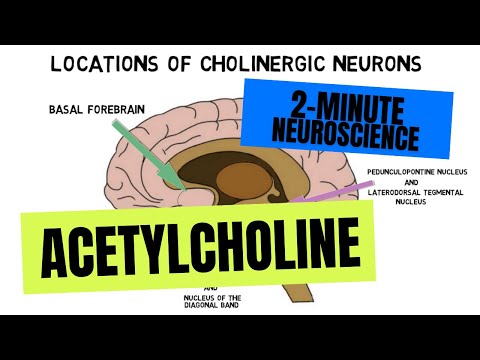
Acetylcholine isn’t just wandering around aimlessly; it’s found primarily at neuromuscular junctions and throughout the brain. These junctions are where nerves meet muscles, allowing for smooth movements. In the brain, it contributes to various functions from attention to learning.
The Autonomic Nervous System
This neurotransmitter has a significant role in the autonomic nervous system — you know, the part that controls things we don’t consciously think about like heart rate and digestion? Here, acetylcholine helps promote rest-and-digest activities when you’re relaxed.
Health Conditions Linked to Acetylcholine
Some health conditions are directly related to issues with acetylcholine levels or receptor function. For example, Alzheimer’s disease is often associated with low levels of this neurotransmitter. It’s believed that reduced acetylcholine leads to cognitive decline.
On the flip side, too much activity can lead to problems as well. Conditions like myasthenia gravis occur when antibodies attack acetylcholine receptors at the neuromuscular junction, leading to weakened muscle responses.
The Bottom Line
Acetylcholine plays an essential role not just in physical movement but also in mental processes like attention and memory. Understanding its functions gives insights into why disruptions can lead to serious health issues.
- If you’re having trouble remembering stuff or focusin’, consider factors impacting your overall health – diet, sleep and stress play big roles!
- Paying attention to symptoms like fatigue or weakness could be significant; they may point towards something related to acetylcholine function.
Your body’s response systems are intricate webs where every chemical has its place. Acetylcholine is one of those vital pieces that keep everything connected and functioning smoothly.
Unlock Your Brain’s Potential with a Boost of Acetylcholine
Understanding Acetylcholine
Acetylcholine is a neurotransmitter, which is a fancy way of saying it’s a chemical messenger in the brain. You know how your body has a postal system that sends letters to different destinations? Well, acetylcholine is like one of those letters, helping to transmit important information between nerve cells.
The Role of Acetylcholine
This little molecule plays several important roles in our bodies. For starters, it’s crucial for learning and memory. Imagine you’re trying to learn a new skill—like playing an instrument or cooking a new recipe. Acetylcholine helps your brain process and store that information.
It also plays a part in muscle contractions. Think about when you want to wave hello to someone; acetylcholine sends signals from your brain to the muscles in your arm, allowing you to move! Without it, those signals wouldn’t get through.
Acetylcholine and Health
But what happens when our acetylcholine levels are off? Sometimes people experience problems like forgetfulness or difficulty focusing. Conditions like Alzheimer’s disease have been linked to low levels of acetylcholine in the brain, which can affect memory and cognitive function.
Lets consider another angle: When we age, the production of acetylcholine may decrease. That’s why some older adults might find it harder to learn new things or remember names. But there’s still hope—mental activities and challenges can help stimulate the production!
Boosting Acetylcholine Naturally
You might wonder if there’s any way to naturally boost acetylcholine levels in your body. Certain foods like eggs (especially the yolk!), fish, and nuts are rich sources of choline—a nutrient that serves as a building block for acetylcholine.
- B vitamins are also important; they support overall brain health.
- Regular exercise helps improve blood flow and can positively influence neurotransmitter activity.
- Getting enough quality sleep allows your body to replenish its neurotransmitters effectively.
A Common Misconception
Sometimes people think that just taking supplements will solve everything related to memory or focus issues. But that’s not really how it works with neurotransmitters like acetylcholine—it’s more complicated than popping a pill. A balanced diet and healthy lifestyle choices are essential for optimal brain function.
The Bottom Line
Your brain’s potential is dependent on many factors including molecules like acetylcholine. While boosting it can be beneficial for certain aspects of health such as cognition and muscle movement, it’s essential not just rely on quick fixes or supplements.
A healthy diet combined with mental exercises can make a difference over time. Remember, nurturing your brain is an ongoing journey!
Understanding Acetylcholine: Its Role in Health and Disease
Acetylcholine (ACh) is a crucial neurotransmitter, which means it helps transmit signals in the nervous system. You can think of it as a messenger that carries information between nerve cells and other cells, like muscle fibers. This simple molecule plays multiple roles—ranging from muscle movement to various functions in the brain.
In terms of health, ACh is vital for the process of muscle contraction. When you want to move an arm or a leg, ACh is released at the junction where nerves meet muscles, allowing for that movement. This action is so fundamental that when there’s a deficiency or dysfunction related to ACh, it can lead to serious conditions like myasthenia gravis—a disorder where muscles become weak.
The role of acetylcholine isn’t limited to just muscles; it’s also central in cognitive functions like memory and learning. In conditions such as Alzheimer’s disease, there’s often a noticeable decrease in ACh levels in the brain. This decline helps explain some cognitive impairments that people with this condition experience.
Interestingly, understanding ACh also opens doors for treatments targeting various diseases. Some medications aim to boost its levels or mimic its action. For instance, certain Alzheimer’s drugs increase acetylcholine availability to help improve memory functions.
However, too much acetylcholine can be harmful too! In situations like poisoning from certain insecticides or nerve agents, excessive ACh leads to overstimulation of muscles and even respiratory failure—a clear reminder of balance being key in biology.
This exploration into acetylcholine reminds us how interconnected our body systems are and raises awareness about potential therapies aimed at modifying its activity for better health outcomes. As research continues, we will surely uncover more about this fascinating neurotransmitter and its implications for both health and disease management.