The information provided in this article is intended solely for general informational and educational purposes. It does not constitute medical advice, diagnosis or professional treatment, and should not be considered a substitute for consultation with a qualified doctor or other licensed healthcare professional. Any health-related decisions should be made in consultation with accredited medical professionals.
While efforts have been made to ensure the information is accurate and up to date, no guarantees are given—either express or implied—regarding its accuracy, completeness, currency or suitability. Use of this information is at your own discretion.
It is strongly recommended to consult official sources such as the NHS (National Health Service) or other recognised medical institutions before acting on any information contained on this website or article. Under no circumstances should professional medical advice be ignored or delayed due to content read here.
This content is of a general and informational nature only. It is not intended to replace individualised guidance from a healthcare professional or to establish any doctor-patient relationship. The publication of this information does not imply any professional responsibility, guarantee or obligation on the part of the author or this site.
Hey, have you ever thought about the prostate? You’re probably not alone if you haven’t. But here’s a surprising fact: nearly 1 in 8 men will be diagnosed with prostate cancer in their lifetime. That’s a significant number.
The prostate plays a crucial role in male health, yet many people don’t know what it really does or even where it’s located. It might feel a bit uncomfortable to discuss, but understanding this little gland is important.
In this article, we’ll take a closer look at prostate anatomy and its essential functions. We’ll explore how it contributes to reproductive health and how its issues can affect overall well-being. We’ll also discuss common conditions associated with the prostate.
So, whether you’re looking to educate yourself for personal reasons or just out of curiosity, this content aims to help clear up the confusion around the prostate. Just remember, this information isn’t a substitute for professional medical advice. Always consult your healthcare provider when making health decisions.
Unlocking the Secrets of the Prostate: Key Roles You Should Know
Understanding Prostate Anatomy
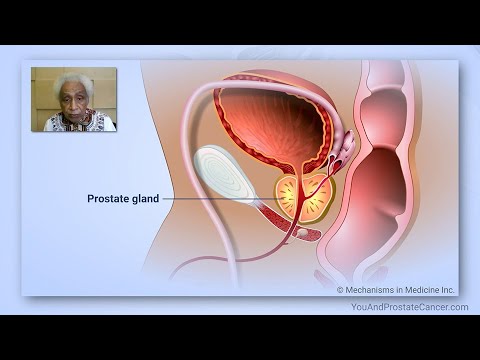
So, let’s chat about the prostate. It’s a small gland that sits just below the bladder in men. Picture it like a walnut—yeah, that’s about the size and shape of it! The prostate is critical for a few reasons, especially when it comes to male health.
The primary role of the prostate is to produce some of the fluids that make up semen. This fluid not only nourishes sperm but also helps transport them during ejaculation. You know how sometimes you hear people talk about “prostate fluid”? That’s what they’re referring to—it’s part of what gets ejaculated.
The Link Between Prostate Health and Overall Health
Let’s get real: prostate health can affect more than just sexual function. Issues with the prostate—like enlargement or inflammation—can lead to urinary problems too. For example, an enlarged prostate can press against the urethra, making it tricky to pee smoothly.
Moreover, there’s a connection between prostate health and other health issues such as heart disease. Research shows that men with certain heart conditions might also face challenges related to their prostates. So keeping this little guy healthy goes beyond just one aspect of wellness.
Common Prostate Problems
You might have heard about conditions like prostatitis, benign prostatic hyperplasia (BPH), or even prostate cancer. Each of these has its own characteristics:
- Prostatitis: It involves inflammation of the prostate and can be quite painful.
- BPH: This is when the gland enlarges as men age, leading to discomfort and urination issues.
- Prostate Cancer: Unfortunately, this is one of the more severe concerns for men as they get older.
Taking Care of Your Prostate
You know what? There are ways you can potentially support your prostate health without going overboard. Diet plays a significant role here; incorporating plenty of fruits and veggies can aid in maintaining good overall health including your prostate. It’s kinda like how certain foods are great for your heart; healthy choices often overlap.
A regular check-up is also vital! Many doctors recommend starting discussions about metabolic changes related to your age around middle age—for most men that’s around 50 years old or so. Screening tests may help catch any issues early on before they become serious problems.
Coping with Fears and Myths
You might hear some wild stories about what happens if you have a bad prostate or what’s necessary for good care—it’s easy to get overwhelmed! But here’s an important thought: understanding risks and facts helps combat myths that can escalate anxiety unnecessarily.
For instance, not every abnormality means cancer, and many benign conditions are manageable with proper care or lifestyle adjustments!
The Bottom Line
The takeaway? The prostate may be small in size but looms large in importance regarding men’s health. Awareness about its functions and potential issues fosters healthier choices over time. Don’t forget though; keep open lines with healthcare folks—they’re partners in managing your overall well-being!
Unlocking the Secrets of Male Health and Wellness
Understanding Prostate Anatomy and Its Role in Male Health
The prostate is a small gland located just below the bladder in men. It’s roughly the size of a walnut. Its main job is to produce fluid that nourishes and transports sperm. You could think of it as a kind of fountain for sperm, where the liquid helps them swim during ejaculation.
Now, let’s talk about its location. The prostate surrounds the urethra, which is the tube that carries urine out of the body. This means any issues with the prostate can affect both urination and sexual function. Just imagine putting a tight squeeze on a garden hose; water can’t flow through smoothly.
Importance of Prostate Health
The health of your prostate has a significant impact on overall male wellness. A healthy prostate contributes to normal urinary function, which is crucial as men age. It’s not uncommon for men over 50 to experience some changes in how their bladder works due to an enlarged prostate.
Then there’s something called prostatitis—this is inflammation or infection of the prostate gland. Symptoms can range from painful urination to pelvic pain. It’s like having an ongoing irritation; it affects many aspects of life and often needs treatment.
Common Conditions Affecting the Prostate
- BPH (Benign Prostatic Hyperplasia): This condition involves enlargement of the prostate but isn’t cancerous. Many older men experience this, leading to frequent urination at night or trouble starting urination.
- Prostate Cancer: This is one of the most common types of cancer among men, especially those over 65 years old. It often grows slowly, and sometimes may not cause major issues if caught early.
- Prostatitis: As mentioned before, this can be acute or chronic and may require antibiotics for treatment.
Lifestyle Factors
Your lifestyle choices play a role too! Regular exercise and a balanced diet can help maintain your prostate health. Think about fruits, vegetables, and whole grains as your best friends here; they’re loaded with nutrients that help keep everything functioning well.
You might wonder about screening tests like PSA (Prostate-Specific Antigen) levels—these blood tests can help detect issues with your prostate early on but are not definitive on their own since other factors can influence results too.
Mental Health Connection
The mind-body connection shouldn’t be overlooked! Anxiety related to male health issues—including problems related to the prostate—can make symptoms feel worse than they actually are. It might be beneficial to consider stress management techniques like meditation or talking things through with someone you trust.
If you’re feeling lost when it comes to understanding these topics or have specific concerns about your health, it’s wise to reach out for support from healthcare professionals who can guide you further in this area!
Unlocking the Secrets of Prostate Gland Structure and Function
Understanding Prostate Anatomy
The prostate gland is a small, walnut-shaped structure located just below the bladder in men. It surrounds the urethra, which is the tube that carries urine from the bladder out of the body. Its position means that any issues with the prostate can affect both urination and sexual function.
In terms of size, a healthy prostate is about 3 centimeters long and has a smooth surface. It’s made up of glandular tissue, connective tissue, and muscular fibers. The main function? Producing seminal fluid, which nourishes and transports sperm during ejaculation.
What Does the Prostate Do?
So, let’s break it down: when a man ejaculates, muscles around the prostate contract to push out semen through the urethra. Imagine it like a tube of toothpaste; when you squeeze it from one end, everything comes out of the other end.
This process is crucial for fertility. Without enough healthy seminal fluid produced by the prostate, sperm may not be able to travel effectively towards an egg.
Common Issues with Prostate Health
As men age, prostate problems can arise. One common issue is benign prostatic hyperplasia (BPH), which is basically an enlarged prostate that can cause difficulty in urination. It’s like having a garden hose with kinks; water struggles to flow freely.
Cancer can also affect this little gland. Prostate cancer often develops slowly and may not show symptoms right away—sometimes it’s so gradual you might not even notice until you’re checked by a healthcare provider.
The Role of Regular Check-Ups
You might wonder why getting regular check-ups is important. Well, many men don’t experience noticeable symptoms until things get serious. Routine screenings can help catch problems early on—kind of like finding a small leak before it turns into major water damage in your house.
Nurturing Overall Prostate Health
Certain lifestyle choices play an essential role in maintaining your prostate health over time. Eating a balanced diet rich in fruits and vegetables may reduce risks associated with prostate issues.
- Exercise: Staying active helps manage weight and reduce inflammation.
- Avoiding smoking: It’s linked to various health issues including cancer risk.
- Lifestyle choices: Reducing alcohol consumption may also support overall health.
A Reminder About Myths
There are lots of misconceptions floating around about prostate health. For instance, some believe that only older men need to worry about their prostates—but that’s not true! Men should start talking about their prostate health earlier than they think; after age 40 might be good time for many guys to start those conversations.
If you’ve got questions or concerns about what’s going on “down there,” don’t hesitate to reach out for professional advice or discuss these things openly with trusted people in your life—it really helps! Remembering that staying informed is key will empower you as you navigate your own health journey.
Prostate anatomy is fascinating, and honestly, it plays a crucial role in male health. The prostate is a small gland, about the size of a walnut, located below the bladder and in front of the rectum. Its primary function is to produce seminal fluid, which nourishes and transports sperm.
A good way to think about it is like a factory. The prostate manufactures a key ingredient needed for reproduction. When it’s healthy, everything functions smoothly. However, as men age or due to other factors, the prostate can develop issues such as benign prostatic hyperplasia (BPH) or even prostate cancer.
Understanding its anatomy helps in recognizing symptoms related to prostate health. For instance, if there’s difficulty urinating or pain in that area, these could be signals that something’s not right. It’s important for men to have regular check-ups because early detection can significantly affect outcomes.
In short, keeping track of prostate health should be part of every man’s healthcare routine. Knowledge empowers better decisions and encourages open conversations with healthcare providers.