The information provided in this article is intended solely for general informational and educational purposes. It does not constitute medical advice, diagnosis or professional treatment, and should not be considered a substitute for consultation with a qualified doctor or other licensed healthcare professional. Any health-related decisions should be made in consultation with accredited medical professionals.
While efforts have been made to ensure the information is accurate and up to date, no guarantees are given—either express or implied—regarding its accuracy, completeness, currency or suitability. Use of this information is at your own discretion.
It is strongly recommended to consult official sources such as the NHS (National Health Service) or other recognised medical institutions before acting on any information contained on this website or article. Under no circumstances should professional medical advice be ignored or delayed due to content read here.
This content is of a general and informational nature only. It is not intended to replace individualised guidance from a healthcare professional or to establish any doctor-patient relationship. The publication of this information does not imply any professional responsibility, guarantee or obligation on the part of the author or this site.
Have you ever experienced pain during ejaculation? It’s more common than you might think. Many men face this uncomfortable issue, yet it often goes unspoken. You’re not alone in feeling awkward about it.
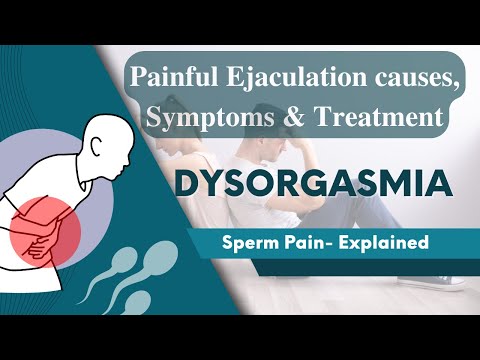
This article focuses on painful ejaculation, also known as male dysorgasmia. We’ll explore what it is, the potential causes behind it, and how it affects men’s lives. Painful ejaculation can stem from various reasons, including infections and anxiety. Sometimes, even lifestyle factors can play a role.
You might be wondering why this matters to you or someone you know. Well, understanding the root causes can empower individuals to seek help and improve their quality of life. Let’s break down the complexities of this condition so that it becomes less intimidating.
Remember though, while we’re sharing valuable insights here, this content doesn’t replace professional medical advice. It’s always important to talk to a healthcare professional for personalized guidance regarding any health concerns.
Understanding Discomfort: Navigating Pain Following Sperm Release in Men
Pain during or after ejaculation, often referred to as painful ejaculation or male dysorgasmia, is something that can be really distressing. You might be wondering: What causes this? Let’s explore it together.
What is Painful Ejaculation?
Basically, painful ejaculation is when a guy feels discomfort or pain either during or after he ejaculates. It might feel like a sharp sting, a dull ache, or even pressure. Sometimes it lasts for just a moment; other times it can linger longer.
Common Causes
There are several reasons why someone might experience this. For starters, infections in the prostate or urinary tract can lead to pain. Think of it like having an inflamed part of your body that doesn’t want to cooperate.
Certain medications can also influence this kind of pain. Some drugs affect nerve signals and can lead to unusual sensations during sexual activities. It’s like if you’re wearing gloves while trying to feel something; you don’t get the full picture!
Anxiety and psychological factors play a role too. Stress about performance or worries related to intimacy can create tension in the body, potentially leading to discomfort.
How to Approach This Issue
If you’re feeling persistent discomfort, it’s important to chat with someone who knows their stuff—like a healthcare provider. They’ll help figure out if there’s an underlying issue that needs attention.
Minding your overall health matters too! Regular exercise, balanced diets, and reducing stress through relaxation techniques may offer some benefits.
The Role of Communication
Talking openly with partners about any discomfort is key. It’s all about creating an understanding environment where both partners feel comfortable discussing what’s happening physically and emotionally.
If there’s something bothering you, don’t hesitate to reach out for support. You’re definitely not alone in this journey!
Misperceptions About Painful Ejaculation
- Pain means something is seriously wrong: Not necessarily! Many factors contribute and not all are urgent.
- Dysorgasmia only happens at certain ages: Nope! It can affect men at various stages in life.
- Treatment always means surgery: Most cases are treated with lifestyle changes or therapies rather than surgical solutions.
The thing is, getting informed helps reduce anxiety around this topic again open dialogue plays a huge part! If you have questions lingering after reading this piece—which I bet you do—just ask someone knowledgeable who can guide you further.
A Positive Note
No matter what challenges arise when it comes to sexual health and function, remember that it’s okay to seek help! Understanding your body better allows for better solutions moving forward—think of it as learning more about yourself rather than focusing only on symptoms!
Understanding Discomfort: Navigating Ejaculation Pain After Periods of Abstinence
So, let’s be honest—ejaculation pain can feel pretty alarming. When someone experiences discomfort during ejaculation after not having sex for a while, it leads to lots of questions. The body is a complex machine, and it sometimes doesn’t work the way we expect.
What causes this pain?
First off, it’s important to understand that several factors could contribute to painful ejaculation. Think of your organs as a finely tuned band. If one instrument is out of tune or hasn’t played in a while, the whole performance can sound off.
- Prolonged Abstinence: When you don’t ejaculate for an extended period, semen can build up in the reproductive system. Sometimes this buildup leads to increased pressure and discomfort.
- Muscle Tension: The pelvic muscles play a big part in sexual function. If they’re tense or stressed from abstinence or anxiety, they might contract too tightly during ejaculation.
- Persistent Conditions: Certain medical issues like prostatitis or infections might flare up after periods of inactivity.
A real-life analogy
Imagine driving your car without using it for weeks. When you finally turn on the engine and accelerate hard, things might feel jerky. Your body can react similarly if it’s been idle; things might not flow smoothly right away.
Your body’s response over time
The cool thing about our bodies is they tend to adapt over time. After consistent sexual activity returns, many people find that any discomfort tends to lessen or even disappear completely. But initially? It’s possible that old habits—or lack thereof—can lead to awkward moments.
Mental factors matter too
I mean, let’s face it: our brains are super connected to our physical selves. Worrying about pain may heighten sensitivity when you finally do ejaculate again. It’s like thinking too much about riding a bike—you might stumble at first because you’re overthinking it!
Simplifying communication
If you’re with a partner, talking openly about any discomfort is crucial! It helps alleviate pressure and build trust between both partners—just as simple communication makes everything smoother in life.
- Pace yourself: Gradually increase your level of sexual activity instead of jumping back into high-intensity sessions right away.
- A warm-up routine: Trying different forms of intimacy before full intercourse may help relax those pelvic muscles again.
- If pain persists beyond typical expectations or worsens over time, reaching out for guidance from health professionals could be beneficial.
Misinformation alert!
A common myth is that painful ejaculation means something severe is wrong every single time! That isn’t always true; think back on our earlier points about how temporary conditions often resolve themselves with time and care.
Navigating anything related to sexual health can seem daunting sometimes! It’s totally normal for there be ups and downs along the way! Keeping an open mind—and being willing to explore solutions—is key!
Understanding Discomfort and What It Means for Your Health
Discomfort can be tricky to navigate, especially when it comes to health. Sometimes, it’s a matter of minor issues; other times, it could signal something more serious. One specific example of discomfort is painful ejaculation, which falls under a condition known as male dysorgasmia.
What Is Male Dysorgasmia?
So, male dysorgasmia refers to difficulties related to ejaculation. It’s not just about the physical act; it involves emotional and psychological aspects too. Think about how stress can cause headaches—it’s similar with dysorgasmia. Stress or anxiety can really mess with sexual function.
Painful Ejaculation: What’s Going On?
Painful ejaculation can feel sharp or burning and might make sexual activity less enjoyable or even unbearable. This pain isn’t just a part of life, though; it’s usually your body telling you something’s off.
Causes can vary widely—from infections in the prostate or urethra to conditions like Peyronie’s disease or even prostatitis. You know, that’s inflammation of the prostate gland that can definitely cause discomfort.
The Role of Mental Health
Now let’s talk about mental health for a moment. Anxiety and depression can impact your sex drive and performance too. It’s like trying to do well on a test while worrying about failing—your mind gets in the way! So understanding that connection is key for any discomfort you might feel during ejaculation.
When To Seek Help
If you’re experiencing persistent pain during ejaculation, it’d be smart to chat with someone who knows this stuff—like a healthcare provider. Ignoring the problem isn’t an option since addressing it early on could ease symptoms later on.
Coping Strategies
- Taking time for relaxation techniques like meditation or deep breathing.
- Avoiding substances that increase anxiety, such as caffeine and alcohol.
- Openly communicating with your partner about any issues you’re facing.
- If needed, seeking counseling specifically focused on sexual health.
Look, being straightforward about these issues may feel awkward but know that many experience similar problems. Talk openly with trusted partners or professionals so you don’t have to suffer in silence!
Final Thoughts
Painful ejaculation is more than just an inconvenience; it’s worth exploring what might be causing it. Understanding your body can lead you towards solutions—whether they’re physical treatments or psychological adjustments—but remember not every problem has an immediate fix!
Understanding painful ejaculation, or male dysorgasmia, sheds light on a condition that many men face silently. It’s essentially a discomfort during or after ejaculation, which can range from mild to severe pain. This isn’t just an inconvenience; it can significantly impact a man’s sexual health and mental well-being.
The psychological aspects are particularly fascinating. Anxiety surrounding the act can exacerbate the issue. Imagine being worried about pain every time intimacy is approached; that stress doesn’t help at all. Open communication with partners and healthcare providers is crucial in navigating these feelings.
Physically, dysorgasmia may stem from various causes like infections, nerve damage, or even pelvic floor issues. These factors can create tension that’s palpable and uncomfortable during sexual activity. Seeking medical advice isn’t an act of weakness but rather a proactive step toward understanding and resolving the issue.
Moreover, it’s vital to educate society on this subject. By breaking the stigma surrounding male sexual health topics, more individuals may feel empowered to speak up about their experiences. This will ultimately lead to better support systems and treatment options.
In essence, acknowledging painful ejaculation as a legitimate concern invites comprehensive discussions around male sexual health. Addressing it not only enhances individual lives but adds depth to our collective understanding of intimacy in relationships.