The information provided in this article is intended solely for general informational and educational purposes. It does not constitute medical advice, diagnosis or professional treatment, and should not be considered a substitute for consultation with a qualified doctor or other licensed healthcare professional. Any health-related decisions should be made in consultation with accredited medical professionals.
While efforts have been made to ensure the information is accurate and up to date, no guarantees are given—either express or implied—regarding its accuracy, completeness, currency or suitability. Use of this information is at your own discretion.
It is strongly recommended to consult official sources such as the NHS (National Health Service) or other recognised medical institutions before acting on any information contained on this website or article. Under no circumstances should professional medical advice be ignored or delayed due to content read here.
This content is of a general and informational nature only. It is not intended to replace individualised guidance from a healthcare professional or to establish any doctor-patient relationship. The publication of this information does not imply any professional responsibility, guarantee or obligation on the part of the author or this site.
Understanding Posterior Tongue Tie: Symptoms and Treatments
Have you ever felt like your tongue just doesn’t move the way it should? You’re not alone. A lot of people experience this without even realizing it’s a condition called posterior tongue tie. It may sound unusual, but it affects many individuals, often causing challenges they didn’t anticipate.
The thing is, this condition can impact everything from speech to eating and even dental health. Imagine trying to say certain words or swallow without being able to use your tongue properly. Frustrating, right? In this article, we’ll dive into what posterior tongue tie really is, how you might recognize its symptoms, and what treatments are available.
Understanding this issue matters because it can lead to significant benefits in daily life—like clearer speech or easier meals. But remember, while we aim to provide valuable insights here, this content does not replace professional medical advice. Always consult a healthcare professional for personalized guidance on health decisions.
A Comprehensive Guide to Managing Posterior Tongue Ties for Better Oral Health
Understanding Posterior Tongue Tie
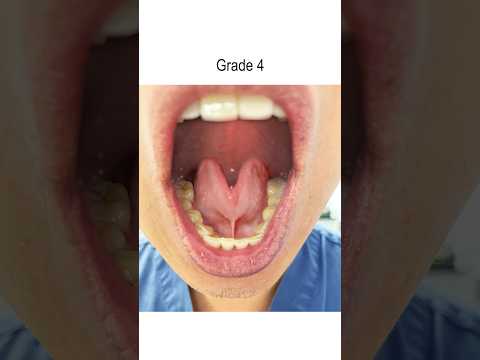
A posterior tongue tie, or posterior frenulum, affects the movement of the tongue. It’s when a small band of tissue under the tongue is shorter or thicker than usual. This can restrict how high the tongue can lift, kind of like if you had a tight shoelace on your sneaker.
Symptoms of Posterior Tongue Tie
So, how do you know if someone has this condition? Well, symptoms can vary widely. In infants, it might show up as difficulty breastfeeding or poor weight gain. For older kids and adults, common signs include trouble pronouncing certain sounds or even experiencing discomfort while eating.
You might notice gaps in speech clarity—like saying “wafers” instead of “waivers.” Sometimes it could also lead to tooth decay due to less efficient cleaning when brushing teeth.
Diagnosis: What’s Next?
If you suspect a posterior tongue tie is an issue, it’s good to consult a healthcare provider—usually a pediatrician for children. They’ll have a look and assess if treatment is necessary. Diagnosis often involves checking how well the tongue moves and seeing any challenges related to eating or speaking.
Treatment Options
The treatment really depends on age and severity. In infants, simple adjustments like breastfeeding techniques can be helpful. Sometimes consulting with a lactation consultant can make a big difference.
If it’s more serious in older kids and adults? A minor surgery called frenectomy might be suggested. It sounds scarier than it is! The procedure just involves snipping that tight piece of tissue. Most people recover quickly without much fuss.
Post-Procedure Care
After the procedure—if it happens—there are ways to help healing go smoothly. Warm saltwater rinses can soothe discomfort in the mouth area; plus gentle stretching exercises help improve mobility over time.
The Importance of Follow-Up
A follow-up appointment after treatment is usually important too! This ensures everything’s healing well and that there aren’t any issues with speech development or feeding post-treatment.
Misinformation and Myths
- Myth: All tongue ties require surgery.
- Misinformation: A posterior tongue tie always leads to dental issues.
- Busted: Many people live lives without needing treatment!
The thing is, each case is unique! Just because one person needed surgery doesn’t mean another will too. Listening to healthcare advice based on individual needs is key here!
The Bigger Picture: Oral Health Connection
A healthy mouth isn’t just about teeth—it includes how we use our tongues! So understanding conditions like posterior tongue tie plays an important role in maintaining overall oral health as well as speech and eating skills throughout life!
Exploring the Possibility of Natural Healing for Tongue Ties
Understanding Tongue Tie
Tongue tie, or ankyloglossia, is a condition where the band of tissue under the tongue is shorter or tighter than usual. This can restrict the tongue’s movement. It’s kind of like having a tight shoelace—you’re still able to walk but it’s not as comfortable, right?
What is Posterior Tongue Tie?
A posterior tongue tie is a specific form of this condition that occurs further back in the mouth. It might not be as visible but can still cause issues. People often experience problems with nursing, eating or even speaking because their tongue can’t move freely.
Symptoms to Look For
- Pain during breastfeeding for infants
- Difficulty latching on during feeding
- Speech difficulties as children grow up
- Poor oral hygiene due to limited tongue movement
- Gum disease or dental problems later in life
Natural Healing Possibilities
You may wonder if there are natural ways to help with tongue ties. While some parents look into exercises to improve mobility, it’s important to note that evidence for these methods is limited.
Some people find that certain oral exercises can help strengthen the muscles involved in tongue movement. Think of it like stretching before playing sports—sometimes it helps but doesn’t always fix the issue.
Treatments and When to Seek Help
If you’re concerned about a possible tongue tie, it might be wise to talk to someone who knows about these things, like a speech therapist or lactation consultant. Sometimes they recommend surgery if it’s severe enough and causing significant issues.
- Surgical options are usually quick and done under local anesthesia.
- This allows for more freedom of movement right after—like cutting those tight shoelaces!
The Importance of Monitoring Development
If you notice any symptoms being persistent over time, don’t hesitate to seek advice. Each individual is different; what works well for one person might not work well for another. Keeping an eye on how someone grows and develops can make a big difference.
Cultural Views on Natural Healing
Many cultures have beliefs around natural healing practices which sometimes include dietary changes or holistic therapies aimed at improving overall health. Just remember—these should be seen as complementary options rather than replacements for professional medical guidance.
The bottom line is that understanding your own body—or your child’s—is essential when dealing with something like a tongue tie. Don’t rush into conclusions based on quick fixes; instead, consider all available information before deciding on your next steps.
Exploring the Impact of Tongue Ties on Oral Health and Development
Understanding Tongue Ties
Tongue ties, or ankyloglossia, occur when the band of tissue that connects the tongue to the floor of the mouth is too short or tight. This can limit tongue movement and may impact oral health. It’s a bit like having a shoelace that’s way too short; you can’t tie your shoe properly. So, what are the implications for folks with a posterior tongue tie?
Symptoms of Posterior Tongue Tie
Sometimes, a posterior tongue tie isn’t as visible as its anterior counterpart. Instead of being right at the tip of the tongue, it’s further back. This can create symptoms that are more subtle but still significant.
- Difficulty breastfeeding in infants.
- Challenges with certain speech sounds.
- Painful jaw or clicking during chewing.
- Mouth breathing or dental issues in older children and adults.
The Impact on Oral Health
The thing is, these problems can lead to greater oral health issues over time. For example, difficulty in maintaining proper hygiene could increase the risk of cavities and gum disease. Think about trying to clean your room while your arms are tied behind your back; it just makes everything harder!
Developmental Concerns
A tongue tie might also influence speech development. Children may find it tough to pronounce certain sounds clearly if their tongue movement is restricted. Imagine trying to speak with a mouthful of marshmallows—it could be quite frustrating!
Treatments Available
If someone suspects they have a posterior tongue tie, it’s worth considering professional evaluation. Treatment options often start simple and become more involved based on individual needs.
- Firstly, some healthcare providers recommend stretching exercises for infants or children.
- If that’s not enough, a procedure called frenectomy may be suggested. This involves cutting the tight tissue under the tongue to allow for more freedom of movement.
The Importance of Early Detection
Catching these issues early can help minimize future complications in both children and adults. It’s similar to fixing a leaky faucet before it causes serious water damage—proactive measures save trouble later on.
Conclusion: Keep Asking Questions
Your mouth is crucial for many everyday activities like eating and speaking—it deserves attention! If there are concerns about potential symptoms related to tongue ties, don’t hesitate to ask questions and seek guidance from qualified professionals who can provide tailored advice based on personal circumstances.
Understanding Posterior Tongue Tie: Symptoms and Treatments
Posterior tongue tie, or a restriction in the movement of the tongue at the back, can often go unnoticed. It’s like having a string that’s too tight, limiting how freely your tongue can move. This condition might seem minor, but it can lead to significant challenges in various aspects of life.
Common symptoms include difficulty breastfeeding for infants, which can make feeding time stressful for both baby and mom. Sometimes, toddlers may struggle with speech development or have issues with swallowing. Adults might experience problems like jaw discomfort or even trouble with certain sounds when talking.
Treatments typically start with assessments from professionals who understand oral health and development. If diagnosed early enough, simple exercises or therapy can work wonders. In some cases, a procedure called frenotomy may be recommended—this is where the tight band of tissue is snipped to allow better movement of the tongue.
The journey doesn’t stop after treatment; ongoing monitoring is crucial. It’s essential to ensure that individuals are regaining function and comfort post-procedure. With proper care and education, many affected by posterior tongue tie find relief and improved quality of life.
In conclusion, discussing posterior tongue tie openly encourages awareness and understanding among caregivers and healthcare providers alike. It ensures those affected receive the help they need without stigma or delay.