The information provided in this article is intended solely for general informational and educational purposes. It does not constitute medical advice, diagnosis or professional treatment, and should not be considered a substitute for consultation with a qualified doctor or other licensed healthcare professional. Any health-related decisions should be made in consultation with accredited medical professionals.
While efforts have been made to ensure the information is accurate and up to date, no guarantees are given—either express or implied—regarding its accuracy, completeness, currency or suitability. Use of this information is at your own discretion.
It is strongly recommended to consult official sources such as the NHS (National Health Service) or other recognised medical institutions before acting on any information contained on this website or article. Under no circumstances should professional medical advice be ignored or delayed due to content read here.
This content is of a general and informational nature only. It is not intended to replace individualised guidance from a healthcare professional or to establish any doctor-patient relationship. The publication of this information does not imply any professional responsibility, guarantee or obligation on the part of the author or this site.
Have you ever thought about how your tongue can reveal things about your overall health? It’s pretty fascinating, right? Our tongues are like little maps, showing signs of what’s happening inside our bodies. But when it comes to HIV, the story becomes a bit more complex.
Many people might not realize that HIV can affect oral health in various ways. It could be changes in taste, sores, or other issues that might seem minor at first but can really impact your quality of life. If you’re living with HIV or know someone who is, understanding these effects is crucial.
This article will dive into how HIV influences tongue health and why it matters for those affected. We’ll discuss common symptoms and provide some practical insights that could help you or someone you care about.
Remember, while this information is valuable, it doesn’t replace medical advice. Always consult with a healthcare professional for personalized guidance regarding any health concerns.
Exploring the Unique Oral Symptoms of HIV Through Visual Insights
Understanding Oral Symptoms of HIV
HIV, or Human Immunodeficiency Virus, affects the immune system. When the immune system is compromised, it can lead to various health issues—especially oral health problems. Oral symptoms can be some of the earliest signs of HIV infection. Let’s take a look at how HIV impacts your tongue and overall oral health.
Tongue Health and HIV
Your tongue is more than just a muscle that helps you taste food. It plays a key role in indicating your overall health. When someone has HIV, they might experience changes like sores or lesions on the tongue. These can be painful and might make it tough to eat or speak.
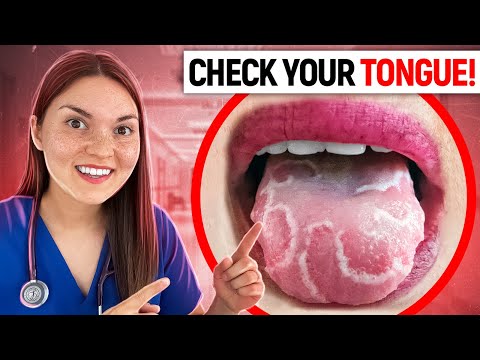
A common condition seen in people with HIV is thrush, which is caused by a yeast infection in the mouth. You may notice white patches on your tongue or inside your cheeks. It’s kind of like when you see mold grow on old bread; it shouldn’t be there and needs attention.
Other Oral Symptoms
- Angular Cheilitis: This condition causes cracks at the corners of the mouth, making it uncomfortable to open your mouth wide.
- Oral Hairy Leukoplakia: This leads to white patches on the tongue that look hairy—like eating cotton candy but not as fun!
- Lichen Planus: This manifests as lacy white lines or red sores on the inside of your mouth.
- Xerostomia: Also known as dry mouth due to reduced salivary flow; this can happen because HIV affects saliva production.
The Role of Regular Check-ups
If you’re living with HIV or have concerns about oral changes, regular dental check-ups are super important. Dentists know how to look for these symptoms and can provide relief if needed. Sometimes they’ll prescribe antifungal meds for thrush or other treatments for specific conditions.
Your oral health reflects what’s going on in your body, you know? Taking care of it helps ensure overall well-being and comfort.
Myths About Oral Health in HIV
A lot of myths surround how HIV affects health. One common misconception is that only people with late-stage HIV develop severe oral issues. In reality, anyone infected can have these symptoms at any stage if their immune system falters—even early on.
You’re Not Alone
If you’re experiencing any unusual symptoms in your mouth, it’s vital to talk about them openly with someone who understands—be it a healthcare provider or a supportive friend. You’re not alone in this journey!
Maintaining good hygiene practices like brushing twice daily, using mouthwash, and staying hydrated will go a long way in keeping those oral side effects managed too! Just remember: awareness and early action are key.
Understanding the Subtle Signs and Symptoms to Watch For
Understanding the Subtle Signs and Symptoms
When it comes to HIV, many people think about the more severe symptoms. But honestly, there are subtle signs that can show how this virus affects your health, particularly your tongue. Yup, the little muscle in your mouth is a big deal.
The Tongue as a Health Indicator
Your tongue can reveal a lot about your overall health. Changes in its color, texture, or appearance might tell you something’s off. For instance, a white coating could be candidiasis, which is basically a yeast infection that some people with HIV experience.
Common Tongue Changes
- White patches: This could mean thrush—it’s not only uncomfortable but also needs attention.
- Red or inflamed areas: These might signal irritation or infection.
- Sore spots: If you’re feeling pain when you eat or talk, it’s worth looking into.
- Bumps or lesions: These might be harmless but could point to other issues too.
The Importance of Oral Hygiene
You know how brushing and flossing are important for keeping teeth healthy? The same goes for maintaining tongue health. Regularly cleaning your tongue can help minimize infections and keep bacteria at bay.
A Deeper Look at Symptoms
If you notice these changes on your tongue along with other symptoms like fatigue or unexplained weight loss, pay attention! Those signs mixed together could suggest that the HIV is affecting your immune system more than you’d like.
Coping Strategies
Staying hydrated can help when you’re experiencing mouth discomfort. And eating softer foods may ease swallowing if soreness occurs. Remember that oral care should be part of your routine—flossing isn’t just for teeth!
If signs persist longer than a couple weeks or get worse over time—don’t hesitate to reach out for help from a healthcare professional. Early intervention is key in managing any aspect of health related to HIV.
Your Health Matters
Paying attention to these symptoms on your tongue is just one part of understanding how HIV impacts overall well-being. So keep an eye on those subtle changes; they might seem minor but can speak volumes about what’s going on inside!
Understanding the Distinctive Signs of Oral Health in HIV vs. Healthy Individuals
Understanding Oral Health in HIV vs. Healthy Individuals
Oral health is super important, and it can tell us a lot about our overall well-being. For folks living with HIV, oral health might look a little different compared to those without the virus. It’s like comparing two different gardens; each has its own signs of growth and change.
The Role of the Tongue
Your tongue is more than just a muscle for tasting food. It can show signs of health or illness. Normally, a healthy tongue is pink and covered with tiny bumps called papillae. But with HIV, this can change.
Signs to Look For
- White Patches: If someone has white patches on their tongue or inside their mouth, it could be candidiasis, often known as thrush. This fungal infection shows up more often in people living with HIV due to a compromised immune system.
- Redness and Swelling: An inflamed tongue can signal various issues. In healthy individuals, occasional redness may occur but in those with HIV, it can be chronic because of infections or oral lesions.
- Painful Sores: Ulcers or sores that don’t seem to heal are concerning. While anyone might get these occasionally, they tend to linger longer in people with HIV.
- Lack of Taste: Changes in taste perception might happen for anyone but are particularly common among those battling HIV due to the medications and other factors affecting their sense of taste.
The Importance of Regular Check-Ups
If there’s one takeaway here: regular dental check-ups matter! They’re essential for catching any changes early on—both in healthy individuals and those with HIV. A dentist can spot problems that might not be obvious at home.
The Connection Between Oral Health and Overall Health
You know how sometimes when you feel sick, your mouth feels off too? That connection is real! Poor oral health can lead to complications like difficulty eating or swallowing. This affects nutrition which is crucial for everyone but especially for someone who’s managing an illness like HIV.
Myths About Oral Health and HIV
A common myth is that only people with late-stage AIDS show oral problems. That’s not true! Even those who are otherwise healthy but living with HIV may face significant oral health issues if they’re not careful.
Caring for Your Mouth Matters
No matter your situation, brushing twice a day and flossing regularly go a long way toward maintaining good oral hygiene. Using alcohol-free mouthwash can also help prevent dryness—a common issue among individuals taking antiretroviral therapy (ART).
You see? There’s so much we can learn from our tongues about our health! Keeping an eye on these signs helps everyone take action—whether you’re treating conditions related to HIV or just staying mindful about your overall vitality!
Understanding How HIV Impacts Your Tongue Health
Hey, so let’s talk about HIV and its effects on our overall health. You might not realize how it can impact your tongue, but it plays a role in your oral health too. People living with HIV often face a higher risk of oral health issues due to their weakened immune systems.
The tongue can show signs of various conditions that may arise from HIV. For example, oral thrush is one common issue. This fungal infection appears as white patches on the tongue and is more likely to affect those with compromised immunity. It’s kind of like getting an unwanted guest—once your defenses are down, it can show up without warning.
Additionally, people with HIV may experience changes in taste or mouth sores which can make eating painful or uncomfortable. This could lead to nutritional problems over time, since food becomes less enjoyable.
Something important to note is that good oral hygiene can help manage these problems. Regular dental check-ups and maintaining a clean mouth can really go a long way. It’s like keeping the front door of your home locked—you want to prevent unwelcome visitors from coming in.
For anyone navigating life with HIV, staying aware of these symptoms and communicating with health care providers is crucial. Regularly monitoring your tongue’s health is just as important as other aspects of well-being.
The connection between HIV and tongue health isn’t often discussed but knowing about it helps everyone be proactive about their health journey.