The information provided in this article is intended solely for general informational and educational purposes. It does not constitute medical advice, diagnosis or professional treatment, and should not be considered a substitute for consultation with a qualified doctor or other licensed healthcare professional. Any health-related decisions should be made in consultation with accredited medical professionals.
While efforts have been made to ensure the information is accurate and up to date, no guarantees are given—either express or implied—regarding its accuracy, completeness, currency or suitability. Use of this information is at your own discretion.
It is strongly recommended to consult official sources such as the NHS (National Health Service) or other recognised medical institutions before acting on any information contained on this website or article. Under no circumstances should professional medical advice be ignored or delayed due to content read here.
This content is of a general and informational nature only. It is not intended to replace individualised guidance from a healthcare professional or to establish any doctor-patient relationship. The publication of this information does not imply any professional responsibility, guarantee or obligation on the part of the author or this site.
Have you ever noticed that your baby struggles while breastfeeding? Or maybe they’ve been fussy during feedings? It could be due to something called tongue-tie. This condition might sound strange, but it’s quite common among newborns.
Tongue-tie happens when the tissue connecting the tongue to the floor of the mouth is too short or thick. Simple, right? But this little issue can lead to big challenges in feeding and speech development later on. Many parents are unsure about what this means and what they should do.
This article is here to help you understand tongue-tie. We’ll cover what symptoms to look for, possible complications, and the various treatment options available. Knowing more about it can empower you as a parent. You deserve clarity on your baby’s health.
Just a quick note: while we aim to provide helpful information here, it’s important to consult with a healthcare professional for personalized advice. Your baby’s health decisions should always be made with expert guidance.
A Visual Journey Through Two Distinct Worlds
Understanding Tongue-Tie in Babies
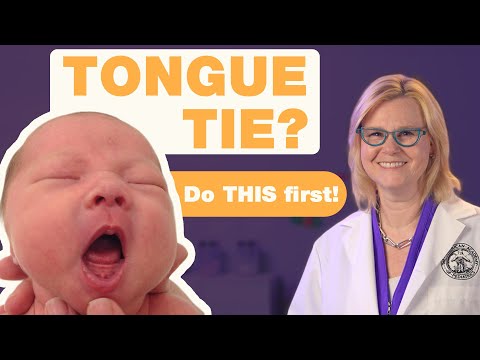
Tongue-tie, or ankyloglossia as some might call it, is a condition where the band of tissue under a baby’s tongue is shorter than usual. This can restrict the movement of the tongue. Think of it like having a shoelace tied too tight; it just doesn’t let you move freely.
How Common is It?
It’s actually pretty common! Many babies are born with varying degrees of tongue-tie. Some might not even show any symptoms, while others may face challenges with feeding.
What are the Symptoms?
- Poor latch during breastfeeding
- Painful nursing for the mother
- Difficulty sticking out the tongue
- Sucking difficulties (like not being able to create enough suction)
If you’ve seen a baby struggling with feeding or noticed their tongue looks heart-shaped when they try to stick it out, that could be a hint of tongue-tie.
Feeding Challenges
For those babies who have trouble latching during breastfeeding, it’s like trying to drink through a straw that’s blocked. They may get tired easily and not consume enough milk. Honestly, this can be very frustrating for both baby and parent.
How Is It Diagnosed?
A pediatrician or lactation consultant often checks for signs of tongue-tie during routine visits. They typically look at how well the baby feeds and examine the range of motion in their tongue.
Treatment Options
If treatment is necessary, there are options available. The most common one is a simple procedure called frenotomy or frenuloplasty. These involve snipping or modifying that tight band of tissue to allow more movement.
This sounds scary when you first hear about it; however, it’s generally quick and has minimal discomfort for the baby.
Follow-Up Care
After any procedure, parents might notice changes right away! For example, some babies take to breastfeeding more naturally post-treatment. Still, every child responds differently so patience is key here!
Should You Seek Help?
If you think your baby might have tongue-tie, talking to your pediatrician can help clarify things. They can assess if treatment is needed based on how well your little one feeds and grows.
A Wrap Up on Tongue-Tie
Tongue-tie isn’t something to panic over—it’s manageable! By understanding its symptoms and knowing when to seek help parents can make informed decisions about their baby’s care and feeding experience.
Understanding the Best Time for Tongue-Tie Surgery
Understanding Tongue-Tie
Tongue-tie, or ankyloglossia, is when a baby’s tongue is connected to the floor of their mouth by a band of tissue that’s too short. It can affect their ability to latch during breastfeeding, and might lead to feeding issues. You may notice your baby having trouble sucking or perhaps making clicking sounds while nursing.
So, when’s the best time for surgery? Honestly, that depends on several factors. Many advocates suggest addressing tongue-tie early on. This often means around the first few weeks or months after birth. At this age, babies typically heal faster and have less anxiety about the procedure.
Symptoms Indicating Potential Surgery
If your baby seems to struggle with feeding—like taking a long time at the breast or showing signs of distress—those could be signals worth noting. Parents also report breastfeeding pain, or even cracked nipples due to difficult latching. These signs could indicate that surgery might be beneficial.
When Not to Rush into Surgery
It’s important not to jump right into surgery if there aren’t significant feeding difficulties. Sometimes infants can adapt well despite being tongue-tied. They may feed without major problems through other feeding techniques.
The Surgical Procedure Itself
The procedure for tongue-tie correction is often quick and usually doesn’t require general anesthesia; it’s more like a simple snip of that band underneath the tongue. This can sound intimidating, but many parents find it reassuring how swift and straightforward it is.
Post-Operative Care
After surgery, some caregivers notice minimal bleeding or discomfort in their babies, but these side effects typically resolve quickly. It’s important to help your child practice movements with their tongue afterward; this encourages healing and improves mobility.
Consulting Professionals
The decision about timing should involve conversations with health professionals who understand your baby’s specific situation. They can consider things like weight gain patterns and overall health before suggesting surgery.
This isn’t about rushing into anything too quickly; it’s about what’s best for your baby’s needs as you navigate feeding challenges together as a family!
Discover simple and effective remedies for a common challenge
Understanding Tongue-Tie in Babies: Symptoms and Treatment Options
Tongue-tie, or ankyloglossia, is a condition where a thin band of tissue connects the bottom of a baby’s tongue to the floor of their mouth. This can restrict tongue movement. It’s actually more common than you might think—some studies suggest it happens in about 4 to 10% of newborns.
Symptoms to Watch For
You might notice a few signs in your little one. One common indicator is trouble breastfeeding. If the baby has difficulty latching on or seems frustrated while feeding, it could be related to tongue-tie.
- Poor weight gain is another sign. If your baby isn’t gaining weight as expected, it’s worth looking into.
- Sometimes, you’ll see that the baby’s tongue cannot stick out past the gums—this might look like a heart shape instead of a flat edge.
- Also, if they have trouble moving their tongue from side to side or if they can’t elevate it well, these can be hints too.
When Should You Consult Someone?
If you suspect your baby has tongue-tie, it’s smart to talk with someone like a pediatrician or lactation consultant. They can assess whether it’s affecting feeding or speech development as they grow older. Honestly, not every baby with tongue-tie needs treatment.
Treatment Options
If treatment is necessary, one common method is called frenotomy. It’s a simple procedure where the tissue causing the tie is snipped. This can often be done quickly and usually doesn’t require more than local anesthesia for babies.
- In some cases, slight stretches are recommended afterward so that tissue doesn’t grow back too tightly again.
- A few parents also find exercises helpful; these might involve gently stretching the tongue after treatment to improve mobility and function over time.
The Importance of Follow-up Care
After any treatment for tongue-tie, follow-up care is crucial. Keeping an eye on your baby’s feeding habits and growth patterns can help catch any potential issues early on.
Remember that each child is unique! What works for one baby may not necessarily work for another. So open communication with caregivers can really make all the difference moving forward!
Reflection on Understanding Tongue-Tie in Babies: Symptoms and Treatment Options
Tongue-tie, or ankyloglossia, is a condition that can affect newborns and their ability to breastfeed. It’s caused by a short, thick band of tissue that ties the bottom of the tongue to the floor of the mouth. This limitation can lead to feeding challenges for babies.
Symptoms often include difficulty latching during breastfeeding, making feeding painful for mothers and reducing nutrition for babies. Parents might notice that their baby struggles to suck effectively or seems frustrated while trying to feed. Sometimes, it might even result in poor weight gain.
Treatment options vary based on severity. In mild cases, simply monitoring the situation may suffice, allowing babies time to adapt. However, when tongue-tie significantly impacts feeding or development, a simple surgical procedure called frenotomy can be performed. This involves snipping the restrictive tissue with minimal discomfort.
It’s important for parents and caregivers to discuss any concerns with healthcare professionals early on. Early intervention can make a considerable difference in feeding success and overall infant development.
Overall, understanding tongue-tie helps create better outcomes not just for babies but also for their families during those critical early weeks of life.