The information provided in this article is intended solely for general informational and educational purposes. It does not constitute medical advice, diagnosis or professional treatment, and should not be considered a substitute for consultation with a qualified doctor or other licensed healthcare professional. Any health-related decisions should be made in consultation with accredited medical professionals.
While efforts have been made to ensure the information is accurate and up to date, no guarantees are given—either express or implied—regarding its accuracy, completeness, currency or suitability. Use of this information is at your own discretion.
It is strongly recommended to consult official sources such as the NHS (National Health Service) or other recognised medical institutions before acting on any information contained on this website or article. Under no circumstances should professional medical advice be ignored or delayed due to content read here.
This content is of a general and informational nature only. It is not intended to replace individualised guidance from a healthcare professional or to establish any doctor-patient relationship. The publication of this information does not imply any professional responsibility, guarantee or obligation on the part of the author or this site.
Have you ever thought about the food on your plate and its impact on your health? If so, you’re not alone. Many of us are searching for ways to protect ourselves from diseases, especially cancer.
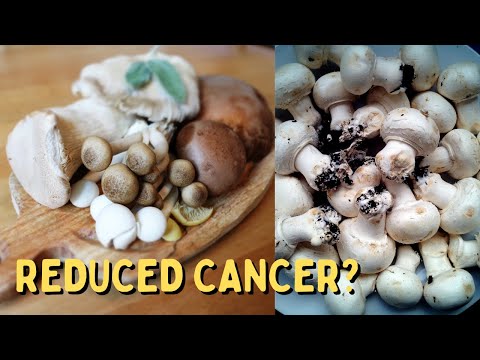
One intriguing idea that’s been floating around is mushrooms. Yep, those simple fungi might hold more power than we think. Research suggests that mushrooms could play a role in reducing cancer risk. But how, you ask? Well, they’re packed with nutrients and compounds that might boost our immune systems and fight inflammation.
In this article, we’ll dive into the science behind mushrooms and their potential benefits. We’ll explore what specific types have shown promise in studies and why incorporating them into your diet may be worth considering.
Your health is important—it’s a big deal! However, remember that this information isn’t a substitute for professional medical advice. Always consult with a healthcare professional before making changes to your diet or health routine.
Let’s uncover whether adding more mushrooms to our meals is a step in the right direction for better health!
Unlock the Secrets to a Healthier Plate and a Brighter Future
Can Eating More Mushrooms Reduce Your Cancer Risk?
Mushrooms are fascinating fungi. They come in various shapes, colors, and flavors. Some people say they might help lower the risk of cancer. But how does that work? Let’s break it down.
First things first, mushrooms are packed with nutrients. They contain vitamins like D and B, minerals, and antioxidants. Antioxidants are important because they help protect our cells from damage. Just think of them as little bodyguards fighting off harmful substances.
Some studies suggest that certain compounds in mushrooms may have anti-cancer properties. For instance, a substance called ergothioneine is found in high amounts in various mushrooms like shiitake and oyster mushrooms. It’s an antioxidant that could potentially play a role in cell protection.
- Research indicates that regular consumption of mushrooms might be linked to lower cancer rates.
- A study showed that women who ate more than two button mushrooms per week had a reduced risk of breast cancer.
- Other studies hint at possible benefits for prostate and colorectal cancers too.
Now, let’s talk about variety. There are over 10,000 species of mushrooms! Each type has its unique profile of nutrients and compounds. The common button mushroom is great, but don’t forget about shiitakes or portobellos—they pack a punch in flavor as well as nutrition!
Hey, but it’s not just about eating mushrooms alone; you know? A healthy diet includes a mix of fruits, veggies, whole grains, and lean proteins too. Think about your plate as a rainbow—different colors mean different nutrients!
Sometimes people wonder if they should take mushroom supplements instead of fresh ones. Well, while some supplements claim to offer health benefits derived from fungi extracts, it’s best to go for whole foods when you can. Whole foods provide balanced nutrition in ways supplements might not.
You should also consider how you prepare your mushrooms—cooking them can help release their beneficial compounds! Grilling or sautéing makes them delicious while preserving most nutrients.
This doesn’t mean eating more mushrooms guarantees anything regarding cancer prevention; research is ongoing! Everyone reacts differently to food based on genetics and lifestyle factors.
So if you’re thinking about changing your diet significantly or have health concerns, it’s always smart to chat with someone knowledgeable like a dietitian or healthcare provider.
The bottom line is: adding more mushrooms to your meals could be part of a healthy lifestyle—but don’t forget the overall picture! It all adds up to creating healthier eating habits for a brighter future!
Exploring the Potential Health Benefits of Fungi
Potential Health Benefits of Fungi
Fungi, especially mushrooms, have been part of human diets for centuries. They add flavor to meals and are low in calories. But there’s more to them than just taste. Research is looking into their health benefits, including potential effects on cancer risk.
Mushrooms and Their Nutrients
Mushrooms are packed with vitamins, minerals, and antioxidants. Antioxidants help fight oxidative stress in the body—a process that can damage cells and lead to diseases like cancer. For instance, they contain selenium and vitamin D, both important for immune function.
The Role of Beta-Glucans
One component found in many mushrooms is beta-glucan. Think of it like a sponge that soaks up harmful substances. Beta-glucans may support the immune system by enhancing its ability to fend off diseases.
Research on Cancer Risk
Some studies suggest that consuming more mushrooms may lower certain cancer risks. For example, a study found a connection between higher mushroom consumption and reduced breast cancer risk in women. But it’s still early days; more research is needed before we make any solid claims.
A Balanced Diet Matters
Eating mushrooms doesn’t mean you should ignore other foods or healthy habits. A balanced diet plays a crucial role in overall health. You know? It’s like building a house; every brick counts.
Types of Mushrooms
- Shiitake: These are not only tasty but may also have properties that boost immune function.
- Maitake: Known as “hen of the woods,” these offer various nutrients and might support heart health.
- Cordyceps: Often used in traditional medicine, they might have potential benefits for energy levels.
- Agaricus bisporus: This includes white button mushrooms—common but still nutritious!
The Importance of Preparation
The way you prepare mushrooms can also impact their health benefits. Cooking can break down tough cell walls, making nutrients easier to absorb. Just remember not too overdo it tho; some delicate compounds might get lost with excessive heat.
Debunking Myths About Mushrooms
You might hear myths like “all wild mushrooms are toxic” or “mushrooms can’t provide real nutrients.” The truth is that while some wild fungi can be harmful, many cultivated ones like those from grocery stores are completely safe! Education about what’s edible goes a long way in dispelling fears.
A Thoughtful Approach
If you enjoy mushrooms or want to explore their potential benefits further, go ahead! Just keep them as part of diverse meals rather than relying solely on them for health outcomes. It’s about balance—much like life itself!
If you’re considering significant dietary changes or have specific concerns about cancer risks or nutrition overall? Consulting with someone knowledgeable makes sense—it’s always good to ask questions and get expert guidance when needed.
Exploring the Hidden Potential of Mushrooms in Cancer Prevention
Can Eating More Mushrooms Reduce Your Cancer Risk?
Mushrooms are fascinating organisms. They come in many shapes, sizes, and flavors. Lately, there’s been some buzz about their potential role in cancer prevention. But can eating more mushrooms actually lower your risk of cancer? Let’s dig into that.
Nutritional Benefits
Mushrooms are low in calories but rich in nutrients. They contain vitamins like B and D, as well as minerals such as selenium and copper. These nutrients play roles in maintaining our immune system and overall health.
For instance, selenium is known for its antioxidant properties. Antioxidants fight free radicals—unstable molecules that can damage cells and contribute to cancer development. So, having mushrooms in your diet might help bolster your defenses.
Phytonutrients and Cancer
Mushrooms also have phytonutrients—natural compounds that may help our body combat diseases. Some studies suggest that certain compounds found in mushrooms may inhibit tumor growth or support the body’s natural processes to handle cancer cells better.
A common example is beta-glucans, which are often found in edible mushrooms like shiitake and maitake. These compounds may help enhance immune function.
Research Findings
Several studies have looked at the relationship between mushroom consumption and cancer risk. Some have indicated that regular mushroom eaters had lower risks for specific types of cancers, like breast or prostate cancer.
This doesn’t mean mushrooms alone are a magic bullet against cancer; rather, they could be part of a healthy lifestyle that includes fruits, veggies, whole grains, and exercise.
A Balanced Diet Matters
The reality is it’s all about balance. While munching on a few extra mushrooms here and there can be beneficial because they add variety to your meals, focusing solely on them for cancer prevention might not be the best approach.
Think about it: if you only ate one type of food for health benefits—you’d miss out on a lot! Different foods work together to provide the best nutrition. It’s all connected!
Conclusion
Total caution: most current findings linking mushrooms with reduced cancer risk come from observational studies or animal research—not definitive proof for humans.
Eating more mushrooms could be part of a smart approach to eating right but should never replace traditional medical advice or treatments.
- Mushrooms offer nutrition benefits.
- Their phytonutrients might help fight disease.
- A balanced diet is the key!
- No single food can prevent illness completely.
If you’re curious about integrating more mushrooms into your meals—go for it! Just remember to mix things up with other healthy foods too!
The relationship between diet and cancer risk is a topic that often garners attention. One intriguing area of research focuses on mushrooms and their potential health benefits. Eating more mushrooms might contribute to a lower risk of certain types of cancer.
Mushrooms are packed with nutrients, antioxidants, and other compounds that may play a role in cancer prevention. For example, they contain polysaccharides like beta-glucans, which can support the immune system. A stronger immune system is better equipped to identify and eliminate abnormal cells before they develop into cancer.
Some studies suggest that consuming mushrooms regularly is linked with a reduced risk of breast, prostate, and colorectal cancers. Just think about it: replacing meat with mushrooms in meals could provide you with not just flavor but also potential health benefits.
However, it’s crucial to remember that while the evidence is promising, it isn’t definitive. No single food can guarantee protection against cancer. A well-balanced diet rich in various fruits, vegetables, whole grains, and lean proteins is essential for overall health.
In conclusion—even though adding more mushrooms to your meals can be beneficial—it’s the overall dietary pattern that matters most. So enjoy those tasty fungi but keep an eye on variety for optimal health!