The information provided in this article is intended solely for general informational and educational purposes. It does not constitute medical advice, diagnosis or professional treatment, and should not be considered a substitute for consultation with a qualified doctor or other licensed healthcare professional. Any health-related decisions should be made in consultation with accredited medical professionals.
While efforts have been made to ensure the information is accurate and up to date, no guarantees are given—either express or implied—regarding its accuracy, completeness, currency or suitability. Use of this information is at your own discretion.
It is strongly recommended to consult official sources such as the NHS (National Health Service) or other recognised medical institutions before acting on any information contained on this website or article. Under no circumstances should professional medical advice be ignored or delayed due to content read here.
This content is of a general and informational nature only. It is not intended to replace individualised guidance from a healthcare professional or to establish any doctor-patient relationship. The publication of this information does not imply any professional responsibility, guarantee or obligation on the part of the author or this site.
Have you ever wondered why some people develop sinus cancer while others don’t? It’s a question that can leave anyone feeling anxious, especially when it involves health. Sinus cancer is rare but understanding its causes and risk factors can help ease your concerns and arm you with knowledge.
This article dives into what might increase the likelihood of developing this form of cancer. We’ll look at factors like exposure to certain chemicals, environmental influences, and even genetic predispositions. Knowing these details isn’t just for medical professionals; it’s for anyone who wants to take control of their health.
Why does this matter? Simply put, awareness can lead to better prevention strategies and early detection. And let’s face it, being informed gives you a sense of empowerment in navigating your health journey.
Just a quick note: this content doesn’t replace medical advice or consultations with healthcare professionals. Health decisions should always be made in partnership with those who know your individual situation best.
Understanding the Signs: What to Look For When Sinus Cancer Advances
Understanding Sinus Cancer
Sinus cancer, while rare, can be serious. It’s important to know what to look for as it advances. This way, you can catch it early or understand what’s happening if symptoms worsen.
Common Signs of Sinus Cancer
One of the earliest signs can be a persistent sinus infection that doesn’t go away with usual treatments. You might also notice chronic nasal congestion or blockage that seems unusual.
- Nasal bleeding is another possible symptom. If you’re having frequent nosebleeds for no clear reason, it’s worth mentioning to a healthcare provider.
- Pain or pressure in your face, specifically around the eyes or forehead, can indicate something more serious.
- If you experience sudden vision changes or swelling around your eyes, don’t ignore that—it’s significant.
Changes in Sense of Smell
The thing is, losing your sense of smell—or having changes in how you perceive scents—can also be a red flag for sinus cancer. Imagine enjoying a favorite meal and suddenly not tasting anything at all; that’s unsettling and deserves attention.
Unexplained Symptoms
Sometimes patients report unexplained weight loss or fatigue. These are vague signs but don’t brush them off either. If you’re noticing that you’re more tired than usual without any clear explanation, it’s smart to talk about it with someone who understands these issues.
The Role of Risk Factors
Certain factors may increase the likelihood of developing sinus cancer. Regular exposure to certain chemicals—like those found in some workplaces—can heighten risk levels. Also, smoking contributes significantly; it’s like putting yourself at risk for many types of cancers.
Your Next Steps
If you’re observing several symptoms together over time—like consistent nasal issues combined with fatigue—it’s worth seeking advice from a healthcare professional. They can help sort through what’s going on and recommend necessary tests if needed.
A Final Note
Understanding the signs of advancing sinus cancer is crucial; awareness leads to timely action. Remember: any persistent changes in your health shouldn’t just be ignored because they seem minor—they’re often clues pointing towards something bigger.
Uncovering the Subtle Signs of Early-Stage Sinus Cancer
Understanding Early-Stage Sinus Cancer
Hey, let’s talk about something that’s often overlooked—early-stage sinus cancer. It can be a tricky condition because its symptoms may mimic common colds or allergies. Knowing the subtle signs is really important.
What is Sinus Cancer?
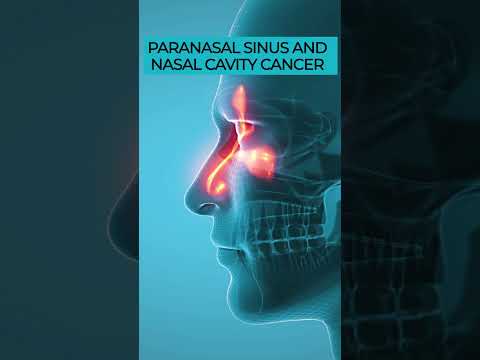
So, when we say “sinus cancer,” we’re mainly referring to malignant tumors that form in the nasal cavity or sinuses. These areas are located behind our cheekbones and forehead, making early detection a bit challenging.
Causes and Risk Factors
- Tobacco Use: One of the biggest risk factors. Smoking increases your chances significantly.
- Exposure to Chemicals: Certain industries expose workers to harmful substances like wood dust or formaldehyde—yup, that stuff from building materials.
- Aging: Older adults are at higher risk for many types of cancers, including sinus cancer.
- Human Papillomavirus (HPV): Some strains of this virus have been linked to head and neck cancers.
Subtle Signs to Look Out For
You might wonder, what should I be paying attention to? Here are some signs that could hint at something more serious:
- Persistent Nasal Congestion: If your stuffy nose lasts longer than expected, it’s worth checking out.
- Nosebleeds: Frequent bleeding from the nose without an obvious cause can be a red flag.
- Pain or Pressure: Unusual discomfort in your face could indicate issues within the sinuses.
- Lumps or Growths:If you notice swelling around your eyes or face, it might mean something’s off.
The Importance of Early Detection
Catching any form of cancer early generally improves treatment outcomes. So if you’ve got these signs lingering longer than they should, definitely talk with someone who knows their stuff—like a healthcare provider!
Coping with Concerns
If you’re feeling anxious about these symptoms or risks, it’s totally normal. You know? It’s always better to address health concerns proactively rather than waiting for things to escalate. Having an open conversation with someone can ease the stress too!
A Wrap-up on Staying Informed
The thing is, staying aware of early-stage sinus cancer means being proactive about your health. Keep an eye on those subtle signs and don’t hesitate to reach out if something feels off. After all, knowledge is power when it comes to health!
Unveiling the Hidden Triggers Behind Sinus Cancer
Understanding Sinus Cancer and Its Triggers
Sinus cancer, while relatively rare, can be a serious concern. It occurs in the sinuses, which are air-filled spaces around your nasal passages. So, what’s behind it? Let’s break it down a little.
The Basics of Sinus Cancer
Sinus cancer usually starts in the cells lining these sinuses. Like any type of cancer, things go haywire when these cells begin to grow uncontrollably. But understanding what triggers this can really help shine a light on prevention and awareness.
Common Risk Factors
- Tobacco Use: Smoking is one of the main risk factors. It introduces harmful chemicals into your body that can affect cell growth.
- Occupational Exposure: Certain jobs expose workers to substances like wood dust or chemicals that may heighten their risk.
- Age and Gender: Most cases happen in older adults and it’s more common in men than women.
- HPV Infection: The human papillomavirus has been linked to some head and neck cancers, including sinus types.
- Poor Oral Hygiene: Believe it or not, long-term gum disease or other oral issues may contribute to increased risks for certain cancers.
The Role of Genetics
Your family history might also play a role. If someone in your family has had cancer, you could have an elevated risk as well. This doesn’t mean you’ll get it too; it’s just something to consider when looking at personal health history.
Lifestyle Considerations
Your lifestyle choices do matter here! Things like diet, exercise, and overall well-being contribute significantly. A balanced diet rich in fruits and vegetables can support your immune system. Is there a direct link? Not always clear-cut but maintaining good health is definitely beneficial!
The Importance of Environmental Factors
You might want to think about where you live too. Pollution levels or exposure to irritating substances in the environment can impact sinus health over time. Chronic inflammation from allergens or irritants could potentially lead to conditions that precede cancer.
A Final Thought on Awareness
If you’re experiencing persistent symptoms like nasal blockage or unusual bleeding from the nose, it’s worth speaking with someone who knows their stuff—just don’t ignore those signs! Remember that early detection plays an important role when it comes to treatment outcomes for sinus issues in general.
This topic certainly involves quite a few complexities but understanding potential triggers gives us better insight into prevention strategies as we navigate through health concerns together!
Understanding the Causes and Risk Factors of Sinus Cancer
Sinus cancer, though rare, can be a serious condition impacting many lives. It’s essential to grasp what leads to it, you know? Understanding causes and risk factors helps in early detection and potentially better outcomes.
The exact cause of sinus cancer isn’t always clear. Like many cancers, it often results from a combination of genetic factors and environmental influences. For instance, exposure to certain chemicals in industries—like wood dust or formaldehyde—can increase risk.
A key risk factor is smoking. People who smoke or are regularly around secondhand smoke have a higher likelihood of developing various kinds of cancers, including sinus cancer. Think about it: the harmful substances in tobacco can damage cells over time.
Another aspect that’s important is human papillomavirus (HPV). This virus is commonly linked with other types of cancers, particularly cervical cancer but also has associations with head and neck cancers. Keeping informed about HPV vaccinations could be beneficial in reducing risks.
Additionally, a person’s age and sex matter too. Sinus cancer tends to occur more frequently in older adults and is typically more common in males than females. It’s fascinating how these patterns emerge over time.
Nutritional factors might play a role as well. A diet low in fruits and vegetables may compromise overall health and immunity, making one more susceptible to diseases like cancer.
In short, while no single factor guarantees someone will develop sinus cancer, understanding these elements helps raise awareness and promote preventative measures. And that knowledge can make all the difference when it comes to health decisions moving forward.