The information provided in this article is intended solely for general informational and educational purposes. It does not constitute medical advice, diagnosis or professional treatment, and should not be considered a substitute for consultation with a qualified doctor or other licensed healthcare professional. Any health-related decisions should be made in consultation with accredited medical professionals.
While efforts have been made to ensure the information is accurate and up to date, no guarantees are given—either express or implied—regarding its accuracy, completeness, currency or suitability. Use of this information is at your own discretion.
It is strongly recommended to consult official sources such as the NHS (National Health Service) or other recognised medical institutions before acting on any information contained on this website or article. Under no circumstances should professional medical advice be ignored or delayed due to content read here.
This content is of a general and informational nature only. It is not intended to replace individualised guidance from a healthcare professional or to establish any doctor-patient relationship. The publication of this information does not imply any professional responsibility, guarantee or obligation on the part of the author or this site.
Have you ever experienced sudden stomach pain and wondered what’s going on? You’re not alone. Many people deal with similar symptoms, and sometimes it could be a condition called diverticulitis. You might be thinking, “What even is that?”
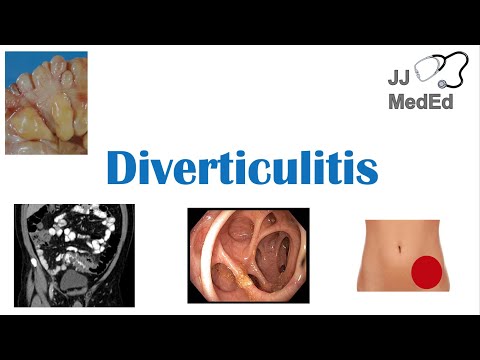
Diverticulitis occurs when small pouches in your colon become inflamed or infected. It sounds complicated, but really it’s quite common, especially as we age. Understanding the causes and risk factors involved can help us manage or even avoid it entirely.
This article aims to break down diverticulitis in a straightforward way. We’ll talk about its causes, risk factors, and how lifestyle choices play a role in developing this condition. If you’ve been feeling uneasy about your gut health, knowing more could empower you to take action.
Remember, while this information is helpful, it doesn’t replace medical advice. Always consult a healthcare professional before making any decisions about your health.
Understanding the Changes in Bowel Movements with Diverticulitis
Understanding Diverticulitis
Diverticulitis occurs when tiny pouches, called diverticula, form in the walls of the colon and become inflamed. These pouches can develop as part of a condition known as diverticular disease. Many people have diverticula without any symptoms, but then some might get into trouble.
What Happens to Bowel Movements?
If you have diverticulitis, you might notice changes in your bowel movements. It can lead to both diarrhea and constipation, which is kind of ironic, right? It’s important to understand why this happens.
When those little pouches become inflamed or infected, they can disrupt the normal function of the colon. So, instead of regular, easy-to-predict bathroom visits, things can get a bit chaotic.
Why Does it Happen?
Pain and irritation are common symptoms that come with inflammation. Think of it like having a sore spot on your skin—it’s sensitive and may react differently than other areas. When the colon gets cranky like that, it sometimes slows down bowel movements.
- The inflammation can also make it difficult for stool to pass through easily.
- This could lead to constipation because everything feels slowed down.
- But there’s another side—if there’s an infection involved or if parts go into spasm? That may cause diarrhea instead!
Risks Factors
Certain factors increase the risk of developing diverticulitis. For instance:
- A diet low in fiber can contribute significantly.
Fiber helps keep things moving smoothly in your intestines. - Age is another factor; as we get older our colons might lose some elasticity.
- Lifestyle factors such as lack of exercise also play a role; moving around helps your digestive system work better.
A Real-Life Example
Let’s say you’re feeling fine one day but suddenly experience sharp pain and changes in how often you go to the bathroom—the discomfort may prompt a visit to your healthcare provider. They could suspect diverticulitis after reviewing your symptoms and perhaps ordering some tests like an ultrasound or colonoscopy.
The Bottom Line
If you’re experiencing significant changes in bowel movements along with abdominal pain or fever, it’s key to reach out for help! Sometimes these signs could indicate something serious that needs attention sooner rather than later.
By understanding what’s going on inside your body with conditions like diverticulitis—well that’s empowering!
Essential Dietary Tips for Managing Diverticulitis Symptoms
Understanding Diverticulitis
Diverticulitis refers to the inflammation of small pouches called diverticula, which can form in your intestine. These pouches occur mostly in the large intestine and are pretty common as people get older. But what causes them to become inflamed? Well, a few things can trigger this condition.
Firstly, a low-fiber diet is often linked to diverticulitis. When you don’t get enough fiber, your stools can become hard and difficult to pass. This strain may lead to the formation of those diverticula in the first place. Other risk factors include age, obesity, smoking, and certain medications like nonsteroidal anti-inflammatory drugs (NSAIDs).
Dietary Tips for Managing Symptoms
If you’re dealing with diverticulitis symptoms, adjusting your diet might help manage them better. It’s all about what you eat and how it affects digestion.
Increase Fiber Intake Gradually
Fiber helps soften stools and prevents strain during bowel movements. But hey—if you’re not used to eating much fiber, jump in with both feet might not work well! Try adding fiber slowly. Think whole grains, fruits, and vegetables.
Stay Hydrated
Drinking enough fluids is crucial when increasing fiber intake. Water helps to keep things moving smoothly through your digestive system. Aim for 8 cups or more daily—and remember that hydration needs can vary based on activity level and climate.
Avoid Certain Foods During Flare-ups
During a flare-up of diverticulitis, some people find that high-fat or spicy foods can irritate their gut further. So maybe skip fried foods and overly spicy dishes when symptoms kick in.
Consider Probiotics
You might have heard of probiotics—the good bacteria found in yogurt or supplements that help balance gut flora. Some think that including these can aid digestion; however more research is needed on this topic so it’s good practice to learn before diving in!
Watch Out for Nuts and Seeds
This is a bit controversial! Some folks believe nuts and seeds could lodge into diverticula and cause issues but recent studies show they’re usually safe for most people with diverticular disease. It’s wise though to listen to your body: if you notice discomfort after eating them, it may be worth cutting back.
The Bottom Line
Your body’s reactions vary greatly from person to person. What works wonders for one individual might not suit another at all—so keep experimenting gently! Always consult professionals about any dietary changes especially if you’re battling conditions like diverticulitis.
- Diversify Fiber Sources: Veggies like spinach or broccoli can work wonders alongside fruits such as berries!
- Avoid overly processed foods: They often lack nutrients essential for gut health.
- Pace Yourself: Transition into any new diet gradually; your digestive system will thank you!
- Simplify Meals: Whole foods tend to be less taxing on digestion; think wholesome rather than complex meals!
- Curb Consumption of Red Meat: Some studies suggest limiting red meat intake may support better bowel health.
Navigating life with diverticulitis doesn’t have to be overwhelming; knowing how food choices impact your gut health could make daily life smoother! Just listen closely to what your body communicates—it often knows best.
Understanding the Unique Signs and Signals in Women
Understanding Diverticulitis: Causes and Risk Factors Explained
Diverticulitis is a condition that can cause discomfort and confusion, especially for women. So, what’s happening in your body when you have this? Well, it often starts with small pouches form in the wall of your colon. These are called diverticula. Now, when these pouches get inflamed or infected, that’s what we call diverticulitis.
But why do these pouches form in the first place? Diet plays a big role. A low-fiber diet can lead to constipation. When you strain to pass stool, it increases pressure in the colon. Over time, that pressure may create those little pouches. Also, age is a factor; as we get older, our risk increases.
Signs and Symptoms
Okay, so how do you know if you might have diverticulitis? Common signs include pain in your lower abdomen—often on the left side—fever, nausea, or changes in bowel habits like diarrhea or constipation. If you’re experiencing persistent symptoms like these for days on end, it’s worth talking to someone who can help.
Risk Factors Specific to Women
You might wonder if there are special considerations for women regarding diverticulitis. Research suggests that women tend to develop this condition later than men do—probably due to hormonal differences affecting gut health.
Pregnancy also plays into this picture; increased abdominal pressure during pregnancy might influence how diverticula form or react. In addition, certain lifestyle factors like physical inactivity can be more common among women which could put them at greater risk too.
Dietary Considerations
A high-fiber diet is often recommended to help prevent both constipation and diverticulitis flare-ups. Fruits, veggies, whole grains—all good stuff! However—and this is important—if you already have diverticulitis and are experiencing symptoms? You may need to go easy on certain foods until you’re feeling better.
Minding Gut Health
This leads us into something really vital: gut health isn’t just crucial for avoiding issues like diverticulitis; it impacts overall well-being too! Probiotics found in yogurt and fermented foods may help maintain a healthy balance of gut bacteria.
- A high-fiber diet includes:
- Berries
- Lentils
- Nuts and seeds
- Regular exercise can be beneficial as well!
The Bottom Line
If you’re worried about symptoms related to diverticulitis or gut health more generally—as so many people are these days—it’s essential to seek out proper advice from professionals who understand your concerns deeply. Whether it’s through chatting with a doctor or nutritionist or researching credible resources online ensuring you’re informed on such matters is key.
The thing is understanding your body doesn’t have to feel overwhelming; staying aware of changes and asking questions is always a good approach! We’re all learning about our health together here.
Understanding diverticulitis can feel daunting, but breaking it down helps. Diverticulitis occurs when small pouches, called diverticula, form in the wall of the intestine and become inflamed or infected. Think of these pouches like tiny balloons protruding from a garden hose—when they get too much pressure or blockages, problems can arise.
Several causes contribute to this condition. A diet low in fiber is often cited as a significant factor. Without enough fiber, stool becomes harder and more difficult to pass, which increases pressure on the intestinal walls. Over time, this can lead to the formation of diverticula.
Age is another risk factor here. As people get older, their intestines change; they become less elastic and more prone to the formation of these pouches. It’s common knowledge that aging impacts our bodies in many ways, and this is just another example.
Moreover, genetics plays a role too. If someone in your family has had diverticulitis, you’re more likely to experience it as well. It’s like inheriting traits such as eye color but for your intestinal health.
Other factors include obesity and physical inactivity; both have been linked to higher rates of diverticulitis. Imagine not using a muscle—it weakens over time—and that’s what happens when we don’t stay active.
An important takeaway is that diet changes can significantly lower the risk of developing diverticulitis. Eating plenty of fruits, vegetables, whole grains can keep our guts healthy and reduce risks significantly.
This reflects how interconnected our lifestyle choices are with health outcomes. Awareness is crucial—knowing what contributes to conditions like diverticulitis empowers individuals to make informed decisions about their health.