When we think about heart health, the first person that often comes to mind is a cardiologist. These medical professionals specialize in diagnosing and treating conditions related to our heart and blood vessels. Their work is crucial because our heart is like the engine of a car; it needs to be well cared for to keep everything running smoothly.
Cardiologists don’t just help us when something goes wrong. They also focus on preventive care, guiding us on how to maintain a healthy lifestyle that supports optimal heart function. They look at risk factors like high blood pressure, cholesterol levels, and lifestyle habits such as diet and exercise.
Understanding what cardiologists do can empower you in your health journey. By working with them, you can take proactive steps towards better heart health, making informed decisions about your well-being.
However, it’s important to approach your health with discernment. Don’t rely solely on one specialist or source of information. Each patient’s situation is unique, and many different healthcare providers have valuable insights. Researching multiple perspectives—whether from various specialists or reputable media—ensures you receive comprehensive guidance tailored to your individual needs. Stay informed and engaged in your health journey!
The information provided in this article is intended solely for general informational and educational purposes. It does not constitute medical advice, diagnosis or professional treatment, and should not be considered a substitute for consultation with a qualified doctor or other licensed healthcare professional. Any health-related decisions should be made in consultation with accredited medical professionals.
While efforts have been made to ensure the information is accurate and up to date, no guarantees are given—either express or implied—regarding its accuracy, completeness, currency or suitability. Use of this information is at your own discretion.
It is strongly recommended to consult official sources such as the NHS (National Health Service) or other recognised medical institutions before acting on any information contained on this website or article. Under no circumstances should professional medical advice be ignored or delayed due to content read here.
This content is of a general and informational nature only. It is not intended to replace individualised guidance from a healthcare professional or to establish any doctor-patient relationship. The publication of this information does not imply any professional responsibility, guarantee or obligation on the part of the author or this site.
Unlocking the Secrets of Your Heart Health
Your heart is like a pump, tirelessly working to circulate blood throughout your body. Understanding how to keep this essential organ healthy is crucial for overall well-being.
Many people wonder, when should I see a cardiologist? These are heart health experts who focus on diagnosing and treating heart-related issues. It’s often recommended to consult them if you have risk factors like high blood pressure, diabetes, or a family history of heart disease.
One common myth is that only older adults need to worry about their heart health. In reality, taking care of your heart should start early in life. Just like we maintain our cars with regular oil changes, our hearts also need regular check-ups.
Here are some ways you can support your heart:
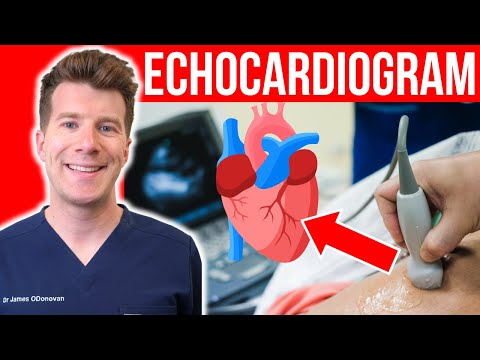
Cardiologists can perform tests like EKGs or echocardiograms to see how well your heart is functioning. These tests are non-invasive and provide valuable information.
It’s important to note that not all symptoms mean serious problems. Some might experience chest pain while exercising but may simply be out of shape. However, it’s always wise to not ignore any persistent symptoms.
Heart disease risk factors include:
You control many aspects of your heart health through lifestyle choices. Eating healthier foods and staying active can significantly reduce risks over time.
Always approach new diets or exercise programs with caution and awareness. What works for one person may not work for another.
In conclusion, understanding the role of a cardiologist can empower you in managing your heart health better. Engage in open conversations about your concerns and take proactive steps toward a healthier lifestyle. The key is awareness and making informed decisions about what’s best for you!
Understanding How Cardiologists Help During a Heart Attack Crisis
When someone experiences a heart attack, time is critical. This is where cardiologists come into play. They are trained to manage heart conditions and respond during emergencies. Their expertise helps save lives.
A heart attack occurs when blood flow to the heart is blocked. This usually happens due to a clot in the arteries. When blood isn’t getting through, the heart muscle starts to die. Quick action is vital.
As soon as a person arrives at the emergency room, cardiologists assess the situation. They might perform tests like an electrocardiogram (ECG) to see how the heart is functioning. This test shows whether there’s any damage or blockage.
If a blockage is detected, cardiologists often use procedures like angioplasty. It involves inserting a tiny balloon into the artery and inflating it to clear the blockage. Sometimes, they place a stent—a small mesh tube—to keep the artery open.
Cardiologists also prescribe medications right away. These can help dissolve clots or thin the blood, making it easier for blood to flow again. Common medications include aspirin and thrombolytics.
Once immediate care is provided, they work on preventing future issues. Cardiologists recommend lifestyle changes such as healthier diets and quitting smoking. They also monitor patients closely after a heart attack.
Education plays a big role too. Patients learn about warning signs of another attack and when to seek help again. Knowledge empowers people to make better health choices in their daily lives.
In summary, cardiologists are essential in responding effectively during a heart attack crisis. Their quick actions can mean life or death. Understanding what they do highlights their importance in maintaining our heart health over time.
Foods you should avoid for a healthier heart
When it comes to heart health, what we eat plays a big role. Just like how you wouldn’t want to put bad fuel in a car, your heart needs the right kind of food to function well. There are certain foods that can negatively impact your heart health. Let’s break these down.
First, trans fats are something to watch out for. These fats can raise bad cholesterol levels in your blood while lowering good cholesterol. You typically find them in fried foods and many baked goods, like cookies and cakes.
Next on the list are saturated fats. These are often found in red meat and full-fat dairy products. They have been linked to higher cholesterol levels, which isn’t good news for your heart.
Processed meats also deserve attention. Items like sausages, hot dogs, and deli meats often contain high amounts of sodium and preservatives that can harm your cardiovascular system when consumed regularly.
Another big one is sugar. Foods high in sugar—like sodas, candy, and pastries—can contribute to weight gain and increase the risk of heart disease over time.
Don’t forget about high-sodium foods. Consuming too much salt can raise blood pressure. Processed snacks, canned soups, and fast food often fall into this category.
Lastly, avoid excessive refined carbohydrates. Foods like white bread and pastries lack nutrients compared to whole grains. They can lead to spikes in blood sugar levels that aren’t ideal for heart health.
To sum it up:
It’s important to remember that moderation is key. You don’t need to cut out all these foods completely but being mindful about them can help support a healthier heart. Always consider discussing dietary choices with someone who can provide tailored advice based on personal health needs.
Cardiologists play a crucial role in maintaining and improving heart health. Their expertise lies in diagnosing, treating, and preventing conditions related to the cardiovascular system. Think of them as the mechanics of your heart; if there’s an issue, they can pinpoint the problem and suggest the best course of action.
One key aspect of a cardiologist’s job is risk assessment. They evaluate factors like family history, lifestyle choices, and other medical conditions that may put someone at higher risk for heart disease. This personalized approach helps patients understand their own health better and motivates them to make positive changes.
Cardiologists also perform advanced procedures, such as angioplasty or stent placement, which can restore blood flow in blocked arteries. It’s similar to clearing out a clogged pipe; once unblocked, everything functions more smoothly.
Moreover, they are instrumental in educating patients about preventive measures. Simple lifestyle modifications—such as healthy eating, regular exercise, and managing stress—can greatly reduce heart disease risk. Cardiologists emphasize that prevention is just as important as treatment.
Finally, ongoing research and advancements in technology mean that cardiologists are continuously evolving their approaches to care. They stay updated on new medications and techniques to provide patients with the best options available.
In summary, understanding a cardiologist’s role helps us appreciate their impact on our overall well-being. Engaging with these experts empowers us to take control of our cardiovascular health through informed decisions and proactive management.