The information provided in this article is intended solely for general informational and educational purposes. It does not constitute medical advice, diagnosis or professional treatment, and should not be considered a substitute for consultation with a qualified doctor or other licensed healthcare professional. Any health-related decisions should be made in consultation with accredited medical professionals.
While efforts have been made to ensure the information is accurate and up to date, no guarantees are given—either express or implied—regarding its accuracy, completeness, currency or suitability. Use of this information is at your own discretion.
It is strongly recommended to consult official sources such as the NHS (National Health Service) or other recognised medical institutions before acting on any information contained on this website or article. Under no circumstances should professional medical advice be ignored or delayed due to content read here.
This content is of a general and informational nature only. It is not intended to replace individualised guidance from a healthcare professional or to establish any doctor-patient relationship. The publication of this information does not imply any professional responsibility, guarantee or obligation on the part of the author or this site.
Have you ever wondered why we even have wisdom teeth? You’re not alone in that thought. Many people experience discomfort or confusion when it comes to these pesky molars. Some think they might add to our jaw strength, while others feel they’re just an evolutionary leftover.
In this article, we’re diving into understanding wisdom teeth: their role and health impact. We’ll talk about what they are, how they can affect your mouth and overall health, and why some folks end up having them removed. It’s a topic that touches many of us at some point in life.
The truth is, wisdom teeth can be tricky customers. Some people have no issues at all, while others struggle with pain, crowding, or even infection. That’s why knowing more about them is super important for making informed decisions.
Just remember though: this content isn’t a substitute for professional medical advice. Health decisions shouldn’t be made solely based on what you read here. Always consult with a healthcare professional for tailored guidance regarding your unique situation.
Unlocking the Hidden Impact of Wisdom Teeth on Your Well-Being
Understanding Wisdom Teeth
Wisdom teeth, those pesky molars at the back of your mouth, usually emerge in late adolescence or early adulthood. They’re often a hot topic when discussing dental health. But what role do they play in our mouths? Well, historically, these teeth were useful for our ancestors who had tougher diets. They helped grind down plant tissue and raw meat.
Their Impact on Your Health
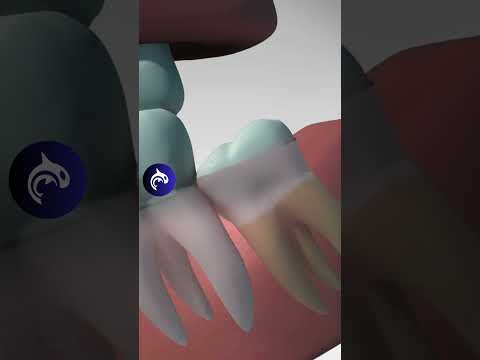
In many cases, wisdom teeth don’t cause any issues. However, that’s not the full story. Some people find that these teeth become impacted—basically stuck beneath the gum line because there’s not enough room in the jaw. This can lead to pain and swelling.
Besides discomfort, impacted wisdom teeth can also lead to infections or even damage to nearby teeth. Imagine trying to squeeze one more item into an already full suitcase; something’s bound to get squished.
When Should You Consider Removal?
You might wonder: when is it time to think about getting them removed? If you’re having pain or experiencing swelling around your gums, it’s worth mentioning it to your dentist during your next visit.
Your dentist will likely take X-rays—those are images of your mouth—to check the positioning of the wisdom teeth as well as how they’re growing in relation to other teeth.
What About Recovery?
If you do have them removed, recovery typically involves some swelling and soreness for a few days. Using ice packs and following post-surgery instructions can make it more manageable.
You may also notice changes in how food tastes or how you chew; kind of like adjusting to a new pair of shoes that aren’t quite broken in yet.
Misinformation Around Wisdom Teeth
A common myth is that everyone needs their wisdom teeth taken out. This isn’t true! Some folks live their whole lives without any problems from them. It really depends on individual circumstances.
Caring For Your Oral Health
Whether you keep or remove wisdom teeth, good oral hygiene is essential for everyone. Regular brushing and flossing helps maintain healthy gums and reduces risks associated with any remaining molars.
The Bigger Picture
The conversation about wisdom teeth reveals larger themes around dental care and overall wellbeing. Just like how one missing piece can change a puzzle’s picture, each aspect of health impacts another.
So if you’re curious about your wisdom teeth and their role in your life—not just today but down the road—don’t hesitate to reach out for advice!
Unlocking the Surprising Advantages of Retaining Your Wisdom Teeth
Wisdom teeth, or third molars, are the last set of teeth that usually come in during late adolescence or early adulthood. For some people, these teeth are a blessing; for others, they bring pain and trouble. But did you know keeping your wisdom teeth can actually have some surprising advantages? Let’s dive into this topic.
Understanding Wisdom Teeth
First off, let’s talk about what wisdom teeth actually do. They were beneficial for our ancestors who had tougher diets that needed more chewing power. This meant having an extra set of molars helped in grinding down tougher food.
Today’s diets are different, and many folks don’t need these extra teeth anymore. However, they can still play a role in dental health. Think of them as backup workers; if other molars wear down over time, your wisdom teeth could step in to help with chewing.
Pain and Complications
Now, it’s true that wisdom teeth often cause problems like crowding or infection. Some people will end up getting them removed because of these issues. When this happens consistently—like it often does—it creates a common belief that removing them is the best option.
You might wonder why anyone would want to keep them then? Well, not all wisdom teeth need removal. If they’re healthy and properly positioned, they can actually maintain their functionality without causing any harm.
Advantages of Keeping Wisdom Teeth
- Crowns and Fillings: Occasionally keeping your wisdom might mean having less wear on your other molars. That means potentially fewer dental procedures down the line.
- Your Bite: These teeth help maintain the proper alignment of your bite as well. A balanced bite is essential for overall oral comfort!
- Dental Support: If you ever lose a back molar due to decay or injury, those wisdom teeth could act as stand-ins like new players in a team when someone gets hurt!
The Dental Check-Up Angle
If you’re wondering whether to keep those pesky wisdoms or not, regular dental check-ups are key! Your dentist will usually monitor their growth and positioning over time.
You may also want to regularly practice good oral hygiene—brushing and flossing can be super effective in preventing issues with any kind of tooth.
A Personal Decision
The decision about whether to keep or remove wisdom teeth isn’t one-size-fits-all; it really depends on individual circumstances. Your mouth is unique! Having good conversations with dentists about your specific situation can help clarify things further.
The Bottom Line
If you still have your wisdom teeth and they’re not causing you any trouble: hey, there’s no harm in keeping them! Just remember to take care of them! In some cases it might result in fewer future dental issues and expenses.
No one wants unnecessary procedures if they don’t need them after all!
Discovering the Hidden Impact of Wisdom Teeth on Your Oral Health
Understanding Wisdom Teeth
Wisdom teeth, also known as third molars, are the last set of molars that usually emerge in your late teens or early twenties. You know, the time when a lot of us are figuring out adulting! Most people have four wisdom teeth, but some may have fewer, or even none at all. This can vary widely from person to person.
The Role of Wisdom Teeth
The main purpose of these teeth was to help our ancestors chew tough foods like roots and meat. Today, though? Their role has diminished significantly. Our diets have evolved, which means we often don’t need these extra molars anymore.
Problems with Wisdom Teeth
One big issue is overcrowding. If there’s not enough space in your jaw for them, wisdom teeth can become impacted. This means they can’t fully emerge and may get stuck in the jawbone or gums. Ouch! Impacted teeth can lead to pain and infection.
Impacted Wisdom Teeth: What To Look For
If you’re experiencing swelling around your gums or ongoing discomfort at the back of your mouth, those could be signs that your wisdom teeth are causing trouble. Sometimes it can feel like a dull ache, while other times it might hit you like a ton of bricks.
Oral Health Risks
Leaving impacted wisdom teeth untreated can lead to several complications. For instance, food can get trapped around these teeth leading to cavities or gum disease. Imagine not being able to clean properly—definitely not good for oral health!
The Decision to Remove
So when do you decide it’s time for removal? It often depends on how much pain you’re experiencing and if it’s causing any dental issues like infection or decay. Many dentists recommend extraction if they foresee issues down the line—like future crowding problems.
A Word About Myths
You might have heard that everyone needs their wisdom teeth out—that’s not necessarily true! Some people have no issues and keep their wisdom teeth without any problems throughout life.
Caring for Your Oral Health After Extraction
If you do end up getting them removed, proper care is crucial afterward! Follow post-op instructions closely to avoid infections and promote healing. Soft foods are usually recommended for a bit after surgery; think mashed potatoes or yogurt!
Your Individual Experience Matters
You know everyone’s mouth is unique—what works for one person might not work for another! Regular dental check-ups will help catch any potential issues with your wisdom teeth early on.
Final Thoughts on Wisdom Teeth
Your oral health plays a huge role in overall well-being. While wisdom teeth might seem like just another part of getting older, being aware about their impact is important! Stay informed about how they affect you personally—you’re the best judge when it comes everyday discomforts!
Understanding Wisdom Teeth: Their Role and Health Impact
Wisdom teeth, or third molars, usually emerge between the ages of 17 and 25. For many people, they seem like an unnecessary feature of our jaws. But what happens when these teeth come in? Well, sometimes they bring discomfort or complications. It all boils down to how much space there is in your mouth.
In some cases, there might not be enough room for these teeth to grow properly. This can lead to something called impaction, where the tooth gets stuck beneath the gum line. Imagine trying to fit a large puzzle piece into a tiny space; it just doesn’t work out well.
The presence of impacted wisdom teeth can result in infections, pain, or damage to nearby teeth. So you know that it’s important to monitor them from an early age. Regular dental check-ups can help catch potential problems before they escalate.
You might have heard different opinions about whether wisdom teeth should be removed proactively. Some dentists recommend removal as a precautionary measure, while others suggest waiting until issues arise. It really depends on individual circumstances.
Wondering what happens during removal? The process typically involves local anesthesia followed by some extraction techniques that may sound more complex than they are. But thanks to modern dentistry, the procedure is usually straightforward and recovery is often quick.
Look at your diet and oral hygiene as factors influencing your dental health over time. Healthy habits can contribute significantly to reducing complications associated with wisdom teeth.
Ultimately, every mouth is unique—what works for one person may not work for another. A professional conversation with your dentist will provide insights tailored specifically for you.