Wisdom teeth, those extra molars that often show up in late teens or early adulthood, can spark a lot of questions. Why do we even have them? Do they need to come out? Understanding wisdom teeth is like peeling an onion – there are layers to uncover. For many adults, the journey might lead to removal due to various reasons like overcrowding or impaction.
Imagine your mouth is a crowded city. When new buildings (your wisdom teeth) are added without careful planning, the result can be chaos. Instead of enhancing the landscape, they may cause discomfort, misalign neighboring structures (other teeth), and lead to issues down the road.
Before deciding on removal, it’s crucial to gather information. Talking with different dental specialists and exploring various media can provide balanced insights. A well-rounded view helps ensure you make informed choices about your dental health.
However, tread carefully! Not all sources of information are created equal. Misleading advice can lead to unnecessary procedures or fear-based decisions. Always engage in conversations with trusted health professionals who prioritize your well-being and help you navigate this important decision effectively.
The information provided in this article is intended solely for general informational and educational purposes. It does not constitute medical advice, diagnosis or professional treatment, and should not be considered a substitute for consultation with a qualified doctor or other licensed healthcare professional. Any health-related decisions should be made in consultation with accredited medical professionals.
While efforts have been made to ensure the information is accurate and up to date, no guarantees are given—either express or implied—regarding its accuracy, completeness, currency or suitability. Use of this information is at your own discretion.
It is strongly recommended to consult official sources such as the NHS (National Health Service) or other recognised medical institutions before acting on any information contained on this website or article. Under no circumstances should professional medical advice be ignored or delayed due to content read here.
This content is of a general and informational nature only. It is not intended to replace individualised guidance from a healthcare professional or to establish any doctor-patient relationship. The publication of this information does not imply any professional responsibility, guarantee or obligation on the part of the author or this site.
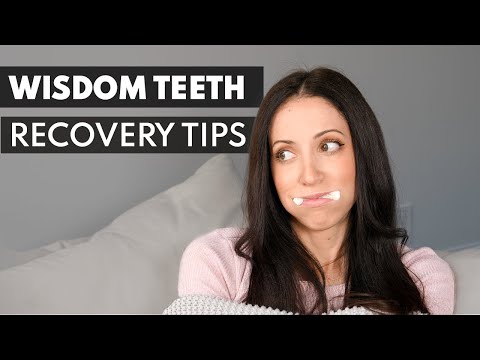
Essential Tips for a Smoother Recovery Experience
Recovering from wisdom teeth removal can be a smoother journey with the right preparation and care. Understanding what to expect can significantly ease anxiety and promote healing.
First, plan ahead. Make sure you have someone available to help you after the procedure. You might feel groggy from anesthesia and won’t be able to drive.
Next, stock up on soft foods. Your mouth will be sensitive after surgery, so easy-to-eat options are essential. Think yogurt, mashed potatoes, applesauce, and smoothies. Avoid anything crunchy or spicy that could irritate your healing gums.
Hydration is key. Drink plenty of water but avoid using straws for the first few days. The sucking motion could dislodge a blood clot and complicate recovery.
Ice packs can be your best friend in the first 24 hours. Applying them to your cheeks helps reduce swelling and numbs pain.
Pay attention to any signs of complications. If you notice excessive bleeding, severe pain that doesn’t ease with over-the-counter medication, or fever, contact your health provider immediately.
Rest is crucial during recovery. Take it easy for at least a couple of days. Listen to your body; it will let you know when it’s time to get back to normal activities.
Lastly, keep up with oral hygiene but be gentle around the extraction sites. Rinsing with warm salt water can aid in keeping the area clean without causing irritation.
By following these essential tips, you can promote a smoother recovery experience after having your wisdom teeth removed. Remember that everyone’s journey is unique—what works for one person may not work for another.
Understanding the Challenges of Wisdom Teeth Extraction in Grown-Ups
Wisdom teeth, or third molars, often create challenges for adults when it comes to extraction. Understanding why can help make the experience easier.
Many people develop these teeth in their late teens or early twenties. However, they don’t always have enough space in the mouth. This can lead to problems like crowding or impaction.
Impacted wisdom teeth occur when a tooth fails to emerge properly. This can cause pain and swelling. Sometimes, it might even lead to infections if bacteria get trapped around the tooth.
Adults face unique challenges during extraction compared to teens. Recovery time can be longer due to age-related differences in healing processes. Additionally, older adults might have underlying health issues that complicate treatment.
It’s important to consider anesthesia options. While younger patients may be more adaptable to local anesthesia, adults might prefer sedation for comfort.
Post-extraction care is crucial. Adults are encouraged to follow recovery guidelines closely, such as avoiding hard foods and maintaining oral hygiene without disturbing the surgery site.
It’s also vital for adults to understand potential complications. Issues like dry socket can happen if a blood clot fails to form properly after removal. This condition can be quite painful and may require further intervention.
People often have misconceptions about wisdom teeth removal being purely cosmetic or unnecessary. The reality is that many will benefit from having them removed due to potential complications later on.
In conclusion, navigating wisdom teeth extraction as an adult presents several considerations. Awareness of these factors aids in making informed life choices regarding dental health. Always consult with a healthcare professional about personal circumstances and treatment options tailored specifically for you.
Navigating the Healing Journey After Wisdom Teeth Extraction
Getting your wisdom teeth removed can be a big step in your dental health journey. It’s common, but it still requires some care afterward to help you heal well. Understanding what to expect can make this process smoother.
First Few Days Are Key
The first few days post-surgery are when you’re likely to feel the most discomfort. Swelling is also common, much like how a bruise looks on your skin. Ice packs on your cheeks can help reduce this swelling.
Pain Management
Your dentist may suggest over-the-counter pain relief options. Using these as directed helps manage discomfort while your mouth heals. Some people find warm saltwater rinses soothing after the first day, but avoid them immediately after surgery.
Eating Wisely
For the first few days, stick to soft foods like yogurt or mashed potatoes. Hard or crunchy foods could irritate your healing gums or get stuck in the extraction sites. Think of it like giving a bruise time to heal without further injury.
Hydration is Important
Drinking water regularly is vital for recovery. However, it’s best to avoid straws for about a week as sucking motions can disturb blood clots that aid healing.
Watch for Complications
While most recoveries go smoothly, keep an eye out for unusual symptoms like excessive bleeding or severe pain that doesn’t improve with medication. These might require a follow-up visit to ensure everything is healing properly.
The Role of Oral Hygiene
Keeping your mouth clean is important! Gently brushing your teeth while avoiding the extraction area helps prevent infection. After about 24 hours, you can start rinsing with warm saltwater as mentioned earlier.
Getting back to normal activities should be gradual. Listen to your body; if you’re feeling tired or in pain, it’s okay to take breaks and rest more than usual.
Mental Wellness Matters Too
Remember that recovery isn’t just physical; staying positive and managing stress can help you feel better overall during this time.
Each person’s healing journey looks a bit different. What works best for you might differ from someone else’s experience. If you have any uncertainties about your recovery or concerns arise, reaching out for advice is always smart!
Wisdom teeth, or third molars, typically emerge between the ages of 17 and 25. For some, they can cause significant dental issues. Understanding these potential problems is crucial for informed decision-making regarding removal.
Many adults experience crowding as these teeth come in. This can lead to misalignment of existing teeth. Imagine trying to fit another book into an already full bookshelf; it just doesn’t work without a little rearranging.
Infections are another concern. Wisdom teeth often grow partially through the gums, creating pockets that can trap food and bacteria. This situation is akin to having a small leak in your roof; if not addressed, it can lead to larger problems over time.
Some people may have enough space for their wisdom teeth, but regular check-ups are essential to monitor their growth and alignment. Dental X-rays provide valuable insights into their position and potential complications.
If removal is necessary, knowing the process helps ease anxiety. The procedure is typically done under local anesthesia or sedation, making it straightforward for most adults.
Aftercare is important too—think of it like gardening after planting new seeds; proper care will ensure recovery goes smoothly and reduces the risk of complications like dry socket.
In summary, while not every adult will need their wisdom teeth removed, being informed allows for better health decisions. Regular dental visits play a key role in monitoring these molars’ status as we age. Always consult with a dental professional about what’s best for you.