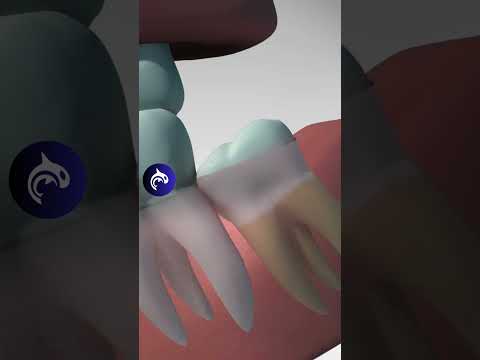
Wisdom teeth, those third set of molars that emerge in our late teens or early twenties, can sometimes create more trouble than they’re worth. An impacted wisdom tooth occurs when these teeth don’t have enough space to grow properly. Instead of breaking through the gums, they may become trapped, leading to pain, infection, or other dental issues.
Dealing with an impacted wisdom tooth often involves treatment options that can range from simple monitoring to surgical removal. Recovery from such procedures is typically straightforward but requires care and attention. Understanding what lies ahead can help ease concerns and ensure a smoother healing journey.
However, it’s crucial to remember that every individual’s situation is unique. Consulting with various specialists—like dentists and oral surgeons—can provide tailored insights into your specific case. Additionally, gather information from credible media sources, as this will empower you to make informed decisions regarding your dental health.
Stay curious about your health and ask questions; it’s your body and your smile that are at stake!
The information provided in this article is intended solely for general informational and educational purposes. It does not constitute medical advice, diagnosis or professional treatment, and should not be considered a substitute for consultation with a qualified doctor or other licensed healthcare professional. Any health-related decisions should be made in consultation with accredited medical professionals.
While efforts have been made to ensure the information is accurate and up to date, no guarantees are given—either express or implied—regarding its accuracy, completeness, currency or suitability. Use of this information is at your own discretion.
It is strongly recommended to consult official sources such as the NHS (National Health Service) or other recognised medical institutions before acting on any information contained on this website or article. Under no circumstances should professional medical advice be ignored or delayed due to content read here.
This content is of a general and informational nature only. It is not intended to replace individualised guidance from a healthcare professional or to establish any doctor-patient relationship. The publication of this information does not imply any professional responsibility, guarantee or obligation on the part of the author or this site.
Understanding the Timeline for a Smooth Recovery Journey
Understanding the timeline for recovery after an impacted wisdom tooth removal can feel overwhelming. It’s a common concern, but knowing what to expect can help ease anxiety.
When a wisdom tooth is impacted, it means it’s unable to emerge properly from the gum. This may require surgical removal. The recovery process varies from person to person, but some general timeframes can guide you.
Day 1: Right after surgery, you might feel groggy from anesthesia. This is normal. Swelling and soreness can begin soon after, so it’s important to rest and avoid strenuous activities.
Days 2-3: Swelling usually peaks during this period. Icing the cheeks can help reduce inflammation. Pain might increase as soreness sets in, so over-the-counter medications may be used as directed by a healthcare provider.
Days 4-7: Many find that pain begins to lessen around this time. However, soft foods are still recommended while the gums heal. You might notice bruising on your cheeks; this is normal and should fade over time.
Week 2: By now, most people feel significantly better. Swelling should start to subside and eating regular foods can resume gradually if comfortable.
Weeks 3-4: Even though you may feel healed on the outside, inner healing continues for weeks longer. Follow-up appointments are important to ensure everything is healing properly.
Keep in mind that everyone’s experience differs based on various factors like age and personal health conditions.
If you encounter unusual symptoms—like prolonged bleeding or severe pain—it’s wise to reach out for guidance from a healthcare provider.
Overall, being mindful of your body’s response during recovery allows for a smoother journey post-surgery. Always prioritize self-care and give yourself ample time to recover fully before returning to usual activities!
Exploring the Surprising Possibilities of Natural Healing for Wisdom Teeth
Wisdom teeth can be a source of discomfort for many. These third molars often become impacted, meaning they don’t have enough room to emerge properly. This can lead to pain, infection, and various complications.
When facing issues with wisdom teeth, many people resort to traditional treatments, such as extraction. However, there are natural approaches that some individuals explore for relief and healing. Let’s take a closer look at these possibilities.
Warm Salt Water Rinses: Using warm salt water as a mouth rinse can help reduce swelling and promote healing. It works similarly to how salt preserves food; it can help clear bacteria from the mouth.
Clover Tea: Some people find comfort in herbal teas like clover tea. It may help soothe inflammation and provide relaxation. Think of it as a cozy blanket for your gums.
Cold Compresses: Applying a cold compress outside your cheek can alleviate swelling and numb pain. Visualize this as icing an injury to reduce inflammation; it’s just as effective for the mouth area!
Essential Oils: Certain essential oils, like clove oil, are sometimes suggested for their potential pain-relieving properties. Clove has been used for ages; it might remind you of how spices can enhance flavors in cooking.
Dietary Choices: Eating soft foods like yogurt or mashed bananas during recovery is key. Think about this as giving your mouth a gentle break while healing takes place.
It’s important to remember that while these natural approaches may offer some comfort, they don’t replace professional treatment when needed. If you’re dealing with impacted wisdom teeth, consulting with a healthcare provider remains essential.
Many myths surround natural healing methods; not everything is suitable or effective for everyone. Always approach any new remedy with caution and research thoroughly first!
Ultimately, maintaining good oral hygiene is crucial before and after any treatment—natural or otherwise. Flossing regularly and brushing well helps keep the area clean while you navigate recovery options.
In conclusion, natural remedies might provide supportive care along with professional advice when faced with impacted wisdom teeth challenges. Listen to your body, stay informed, and seek guidance whenever unsure which route suits you best!
Understanding the risks and recovery after your wisdom teeth surgery
Understanding wisdom teeth surgery can seem overwhelming, but breaking it down makes it easier. Wisdom teeth, or third molars, often become impacted. This means they don’t fully emerge from your gums. They can cause pain and other dental issues.
When you have surgery to remove impacted wisdom teeth, there are some risks involved. These can include:
While these risks may sound scary, it’s important to remember that many people undergo this procedure without serious issues. The key is to follow post-surgery instructions carefully.
Recovery usually takes a few days but can vary between individuals. You might experience swelling and discomfort after the procedure. This is completely normal.
To manage pain, your provider may recommend over-the-counter pain relievers or prescribed medication. Applying ice packs can also help reduce swelling.
Sticking to soft foods during recovery is crucial. Think of mashed potatoes, smoothies, and yogurt—easy on the mouth but still nutritious! Avoid hard or crunchy foods that could irritate the surgical site.
Hydration matters too! Drink plenty of water, but avoid using straws for at least a few days. The suction could disturb blood clots needed for healing.
Watch for signs that something might be wrong after surgery. If you notice fever, severe pain that doesn’t go away with meds, or excessive bleeding—these could be red flags signaling complications.
It’s normal to feel anxious about any medical procedure. Talk with your provider about your concerns before surgery; they’re there to help you feel comfortable with the process.
Taking good care of yourself during recovery will aid in healing times and overall comfort. Remember that following guidance closely can make a big difference in how smoothly things go.
Finally, keep in mind that while wisdom teeth removal is common, each person’s experience is unique. Stay informed and trust yourself as you navigate through this process!
Impacted wisdom teeth can be a common dental issue, often requiring treatment to relieve discomfort and prevent further complications. When the third molars do not have enough space to emerge properly, they may become trapped beneath the gum line or against adjacent teeth. This situation can lead to pain, swelling, and infection.
Treatment typically involves surgical removal of the impacted tooth. While this can sound intimidating, it is a routine procedure performed under local or general anesthesia. After extraction, recovery plays a significant role in ensuring optimal healing.
Key points for recovery include:
It’s essential to recognize that each person’s recovery experience may vary. Some might feel back to normal in just a few days, while others may take longer. Staying in touch with your dental care provider during this time can help address any concerns.
Understanding the reasons behind impacted wisdom teeth and their treatment options empowers individuals to make informed decisions regarding their oral health. It also highlights the importance of regular dental check-ups—to catch potential problems early and maintain overall well-being.