The information provided in this article is intended solely for general informational and educational purposes. It does not constitute medical advice, diagnosis or professional treatment, and should not be considered a substitute for consultation with a qualified doctor or other licensed healthcare professional. Any health-related decisions should be made in consultation with accredited medical professionals.
While efforts have been made to ensure the information is accurate and up to date, no guarantees are given—either express or implied—regarding its accuracy, completeness, currency or suitability. Use of this information is at your own discretion.
It is strongly recommended to consult official sources such as the NHS (National Health Service) or other recognised medical institutions before acting on any information contained on this website or article. Under no circumstances should professional medical advice be ignored or delayed due to content read here.
This content is of a general and informational nature only. It is not intended to replace individualised guidance from a healthcare professional or to establish any doctor-patient relationship. The publication of this information does not imply any professional responsibility, guarantee or obligation on the part of the author or this site.
Ever looked in the mirror and thought, “Why are my teeth so small?” You’re definitely not alone. Small teeth can be a common concern, but for many, it brings confusion or even insecurity.
You see, our teeth come in different shapes and sizes just like us. Small teeth can stem from various reasons—genetics plays a big role. But sometimes environmental factors or dental issues might be involved too. Whatever the cause, understanding it is important.
This article dives into the whys and hows of small teeth—exploring causes, risks linked to them, and what treatment options are available if you’re worried about your smile. Knowing this stuff can help you feel more confident when you talk to your dentist or take steps toward improving your oral health.
Remember though, while we’re sharing valuable insights here, this content isn’t a substitute for medical advice. Always consult a healthcare professional for personalized guidance on any concerns regarding your dental health.
Transform Your Smile: Effective Solutions for Small Teeth in Adults
Understanding Small Teeth: Causes, Risks, and Treatment Options
Hey, let’s talk about small teeth. You know, those little guys that can sometimes make us feel self-conscious? It’s more common than you might think. There are several reasons why someone may have small teeth.
What Causes Small Teeth?
Genetics plays a huge role here. If your parents had smaller teeth, there’s a good chance you might too. Sometimes it’s just how our bodies develop. Then there’s the matter of tooth size relative to jaw size. If your jaw is larger than average but your teeth are small, that can also stand out.
Another factor could be dental issues during childhood. Conditions like hypoplasia can cause enamel to form improperly, leading to smaller or oddly shaped teeth. Nutrition during early development matters too; insufficient nutrients can affect tooth size.
Risks Associated with Small Teeth
You might be wondering what risks come with having smaller teeth. For starters, they can lead to bite problems—when your upper and lower teeth don’t align properly. This misalignment could cause issues like jaw pain or strain.
Another risk? They might wear down quicker due to increased friction if they’re trying to compensate for biting forces in the mouth. That might not sound serious but it can lead to more complicated dental issues down the road.
Treatment Options
If you’re considering options for transforming small teeth, there are a few paths you could take.
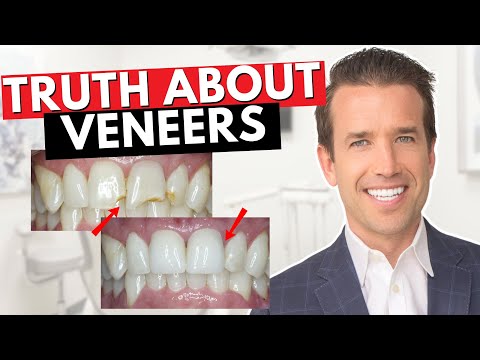
- Veneers: These are thin shells placed over the front of your teeth to improve their appearance and make them look larger.
- Crowns: Similar to veneers but cover the entire tooth; great for more significant shape changes or protection from wear.
- Bite adjustments: A dentist might reshape other teeth or even adjust how they come together for better alignment and functionality.
- Orthodontics: Braces or clear aligners can help shift position of your existing adult teeth—it does take time but results often speak for themselves!
A cosmetic consultation could be a smart first step if you’re unhappy with your smile’s appearance. An experienced professional will listen to your concerns and suggest personalized solutions tailored just for you.
A Few Final Thoughts
The thing is—whether its genetics or dental history leading to smaller teeth, know that treatment options exist! Smile transformation won’t happen overnight though—it typically takes time and patience as well as some commitment on your part! So if this resonates with you, don’t hesitate talking about it with someone who knows their stuff!
Understanding the Unique Features and Care for Tiny Teeth
Understanding Tiny Teeth
Tiny teeth, often called microdontia, can be a surprising sight. So, what causes them? Well, sometimes it’s just genetic. You might notice a family trend of smaller teeth. Other factors could include hormonal changes or even certain medical conditions.
Causes of Tiny Teeth
- Genetics: If your parents had small teeth, you might as well!
- Hormonal factors: Hormones impact growth during development.
- Medical conditions: Conditions like Down syndrome or pituitary disorders can lead to smaller teeth.
You know how sometimes people are born with certain traits? Tiny teeth are like that! However, they can come with risks too.
Risks Associated with Tiny Teeth
The main risk is related to oral health. Smaller teeth might be more prone to wear and tear. When they’re small, there’s less surface area for grinding food. This could lead to issues like dental caries or gum disease if not cared for properly.
- Dental caries: Small teeth can trap more food particles which may promote decay.
- Poor alignment: Sometimes tiny teeth don’t fit well in our mouths and can crowd other teeth.
Caring for Tiny Teeth
Caring for tiny teeth isn’t all that different from caring for regular-sized ones. Regular brushing and flossing are key! It’s really important to get into those nooks and crannies where food particles like to hide.
- Brushing: Use a soft-bristled toothbrush and fluoride toothpaste twice daily.
- Flossing: Floss regularly to remove plaque between the tight spaces of your tiny friends!
- Dentist visits: Don’t skip them! Routine check-ups help catch issues early on.
If you’re ever unsure or worried about tiny teeth, chatting with a dentist is always a good move. They’ll provide personalized advice based on individual needs!
Treatment Options for Tiny Teeth
If the small size causes serious concern—like affecting one’s chewing function—there are treatments available. Dental bonding is one option; it uses resin material to add bulk to the tooth structure but still looks natural.
- Crowns: Covering the tooth in a protective crown could also help increase its strength.
- Bite adjustment:
The thing is: every mouth is unique! The right approach varies also based on age and overall oral health. So keeping an open dialogue with a dentist about options makes all the difference.” Most importantly, don’t let tiny teeth hold you back from smiling bright!
Uncovering the Surprising Factors Behind Short Teeth
Understanding Short Teeth: Causes, Risks, and Treatment Options
Short teeth might seem unusual, but let’s break it down. Sometimes, the size of our teeth can be influenced by a few factors that are worth exploring. Think of your teeth as puzzle pieces; how they fit can depend on various elements.
Genetics
Your genes play a big role in determining tooth size. If your parents had smaller teeth, there’s a chance you might too. It’s like inheriting eye color or height; some traits just run in families.
Development Issues
During childhood, several issues can impact how your teeth develop. For instance, if a child experiences trauma to their mouth or has certain nutritional deficiencies while their teeth are forming, it could result in shorter teeth.
Environmental Factors
Believe it or not, environmental factors also matter. Things like exposure to certain toxins during pregnancy or early childhood can affect tooth growth. Imagine trying to grow plants in poor soil; they won’t thrive the same way.
The Role of Habits
Your habits could be shaping your smile too! For example, thumb-sucking or prolonged use of pacifiers during formative years may alter the way teeth develop and align.
Risks Associated with Short Teeth
You might wonder why short teeth matter at all. Well, they can lead to some challenges! Shorter teeth may wear down faster and can sometimes create misalignment issues when chewing—sorta like driving with a flat tire!
- Cosmetic Concerns: Some people feel self-conscious about the appearance of their smiles.
- Dental Health Issues: Misalignment caused by shorter teeth could lead to problems like jaw pain or gum disease over time.
Treatment Options
If short teeth are bothering you or causing issues, there are ways to address them. Options vary depending on individual circumstances and concerns.
- Cosmetic Dentistry: Procedures such as veneers can cover short or worn-down teeth for an even look.
- Crown Lengthening: This surgery removes gum tissue that obscures the tooth length making it appear longer and more proportionate.
- A dental consultation: It’s always wise to talk with a professional who understands your unique situation before proceeding with any treatment plan.
No two smiles are alike—and that’s what makes us human! Understanding why our bodies do what they do helps us take better care of ourselves. If short teeth are something that affects you personally, look into options without hesitation 🙂 It’s all about finding what works best for you!
Understanding Small Teeth: Causes, Risks, and Treatment Options
Small teeth, or microdontia, can be a surprising discovery for many. It’s when teeth are smaller than what is typically expected. You might wonder why this happens – good question! There are several factors that can contribute to it.
Genetics often plays a significant role. If family members have had similar dental traits, it could be hereditary. Environmental influences during tooth development in childhood can also affect tooth size. Think about nutrition or exposure to certain medications.
Risks Associated with Small Teeth
Let’s talk about risks. Smaller teeth may lead to issues with bite alignment and jaw function. It can create spaces between teeth that trap food and plaque, increasing the risk of cavities or gum disease.
Poor aesthetics is another concern for some people; they may feel self-conscious about their smile. So emotional health is impacted too – it’s not just a physical issue.
Treatment Options
If someone has small teeth and wants to address it, treatment options are available. Dental bonding is one option where a dentist applies a tooth-colored resin to build up the size of the teeth.
Crowns or veneers are another way to improve appearance while also protecting the tooth structure beneath. In some cases, orthodontic treatment can help align everything properly as well.
The key takeaway here? Understanding small teeth involves looking at causes, recognizing risks, and exploring viable treatments that not only enhance dental health but also boost confidence.