The information provided in this article is intended solely for general informational and educational purposes. It does not constitute medical advice, diagnosis or professional treatment, and should not be considered a substitute for consultation with a qualified doctor or other licensed healthcare professional. Any health-related decisions should be made in consultation with accredited medical professionals.
While efforts have been made to ensure the information is accurate and up to date, no guarantees are given—either express or implied—regarding its accuracy, completeness, currency or suitability. Use of this information is at your own discretion.
It is strongly recommended to consult official sources such as the NHS (National Health Service) or other recognised medical institutions before acting on any information contained on this website or article. Under no circumstances should professional medical advice be ignored or delayed due to content read here.
This content is of a general and informational nature only. It is not intended to replace individualised guidance from a healthcare professional or to establish any doctor-patient relationship. The publication of this information does not imply any professional responsibility, guarantee or obligation on the part of the author or this site.
Have you ever wondered how some injuries heal faster than others? Or why certain diseases seem to vanish, while others linger for years? It’s all about stem cells—a topic that sounds complicated but is incredibly fascinating. You know, these tiny building blocks have the potential to transform medicine as we know it.
This article will take you on a journey through the origins of stem cells and their role in medical treatments. We’ll break down what stem cells are, how they work, and why they matter for healing and recovery. Think of them like a Swiss Army knife for your body; they can turn into various types of cells, helping to fix everything from damaged tissues to blood disorders.
Understanding stem cells isn’t just for scientists; it’s relevant for anyone curious about new treatments and therapies out there. However, remember that this content doesn’t replace medical advice. Always talk to a healthcare professional when making decisions about your health—it’s super important! Let’s dive in together and see what makes these tiny wonders so extraordinary.
Exploring the Diverse World of Stem Cells and Their Unique Abilities
Understanding Stem Cells
Stem cells are pretty fascinating. They’re like the building blocks of our body, with a unique ability to turn into different types of cells. Think of them as a blank canvas; they can become muscle cells, nerve cells, or even blood cells, depending on what’s needed.
There are two main types: embryonic stem cells and adult stem cells. Embryonic stem cells come from early-stage embryos and can become any type of cell in the body. On the other hand, adult stem cells are found in various tissues and generally have a more limited range of what they can become.
Where Do Stem Cells Come From?
The origins of stem cells can sometimes be confusing. Embryonic stem cells are harvested from embryos that are just a few days old. This process raises ethical questions since it involves human life at very early stages.
Adult stem cells are easier to collect because they’re present in many tissues, like bone marrow or fat. These stem cells help repair damaged tissues; for example, when you get a cut, your body uses them to promote healing.
The Role of Stem Cells in Medicine
Stem cell research opens up exciting possibilities for medical treatments. They could potentially regenerate damaged organs or even create new ones altogether which sounds like something out of science fiction. Imagine using your own stem cell to heal your heart!
However, there’s still much we don’t know about how to effectively use these remarkable cells in treatments safely and efficiently.
Challenges with Stem Cell Therapy
The thing is, while the potential is huge, there are challenges too. For instance, scientists must be careful about controlling how these stem cells develop into specific types of tissues without causing tumors or other complications.
- Tumor Risk: If not properly controlled, stem cell growth could lead to cancerous tumors.
- Ethical Concerns: The use of embryonic stems raises ethical debates that society must navigate carefully.
- Lack of Knowledge: We don’t yet fully understand how all these processes work within the human body.
A Real-World Example
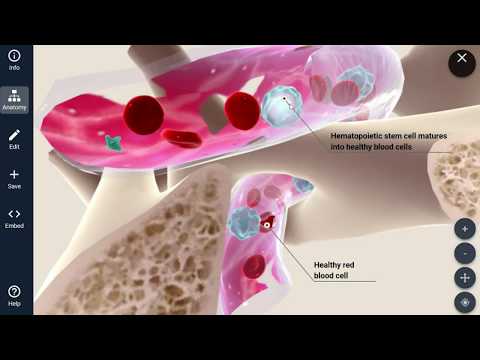
You might have heard about blood cancers like leukemia being treated with bone marrow transplants. This relies on adult stem cell therapy where healthy bone marrow containing those precious blood-forming stem cels is transplanted into someone whose own marrow isn’t working right anymore.
The Future Outlook
The future looks promising but also complicated! As researchers learn more each day about how to harness these powerful tools responsibly and effectively, we may one day unlock their full potential for regenerative medicine.
This exploration brings hope but also mandates caution and ethical considerations that need addressing as we progress further into this intriguing area.
Exploring the Potential of Stem Cells in Modern Medicine
Understanding Stem Cells
Stem cells are kind of the building blocks of life. They are unique because they can turn into different types of cells in the body. Imagine them as the blank slate at an art studio, ready to be shaped into whatever is needed.
There are two main types of stem cells: embryonic and adult stem cells. Embryonic stem cells come from early-stage embryos and have the potential to become any cell type. Adult stem cells, on the other hand, are found in various tissues and usually have a more limited role; they mostly repair or replace damaged cells.
The Role of Stem Cells in Modern Medicine
You might be wondering why everyone’s talking about stem cells in medical treatments. It’s simple: they hold potential for regenerating damaged tissues and organs. This could help with diseases like Parkinson’s, diabetes, or even heart conditions.
Think about it this way: If your car breaks down, you want parts that can restore it back to running condition. Similarly, stem cells can potentially replace damaged parts in our bodies.
Sources of Stem Cells
The sources for obtaining these remarkable cells vary. For instance:
- Embryonic Stem Cells: These come from embryos created during IVF procedures.
- Adult Stem Cells: Found in places like bone marrow or fat tissue.
- Induced Pluripotent Stem Cells (iPSCs): Scientists can reprogram adult cells back to a stem-cell state.
This diversity means researchers have different avenues for exploring how best to use them in medicine.
Challenges and Ethical Considerations
This isn’t all smooth sailing though! Using embryonic stem cells raises ethical questions about the beginning of life—many people feel strongly on both sides of that debate.
Additonally, there are scientific challenges as well; scientists need to ensure these cells don’t lead to tumors when used in treatments. You wouldn’t want something meant to heal causing more harm!
The Future Looks Promising
Skepticism is common when discussing new technologies, and that’s normal! But ongoing research is revealing exciting possibilities every day. New studies keep pushing towards more effective applications for these powerful players in biology.
If you’re curious about these advancements, reading up on recent studies or news articles can help you stay informed without falling prey to myths or exaggerated claims!
The Bottom Line
You know, while we’re only scratching the surface right now with what we understand about stem cells, their potential impact on medicine is huge! But there’s still so much work ahead before we unlock their full capabilities safely and ethically.
Unlocking the Potential of Regeneration and Healing
Understanding Stem Cells
Stem cells are special cells in our body that have the potential to develop into many different types of cells. Think of them like blank slates or the building blocks of life. They can turn into muscle, nerve, or even blood cells based on where they’re needed.
The Origins of Stem Cells
There are mainly two types of stem cells: embryonic and adult. Embryonic stem cells come from embryos, usually from a few days old. These are pluripotent, meaning they can become any cell type in the body.
Adult stem cells, on the other hand, are found in various tissues like bone marrow. They’re multipotent, which means they can develop into a limited range of cell types related to their specific tissue.
Why Are They Important?
You might wonder why we care so much about stem cells? Well, their ability to regenerate and repair damaged tissues is a huge deal in medicine. Imagine if you could heal an injured heart or fix nerve damage in your back!
The Science Behind It
Researchers study these cells to understand how they work and how we can use them for treatments. This includes everything from growing new organs to treating diseases like diabetes or Parkinson’s.
One fascinating aspect is how scientists can now reprogram adult cells back into a stem cell-like state. These induced pluripotent stem cells (iPSCs) essentially regain their youthful abilities, opening up new pathways for research.
A Glimpse into Treatments
In some cases, doctors use stem cell therapy to treat conditions like leukemia through bone marrow transplants. This therapy harnesses the power of adult stem cells found in healthy bone marrow.
You may have heard about regenerative medicine—this field focuses on using living tissues and cellular materials for healing purposes. It aims to restore normal function by repairing or replacing damaged tissues or organs.
Challenges Ahead
Despite all this buzz around regeneration, there are hurdles we still need to clear. Ethical concerns surround embryonic stem cell research because it involves human embryos. Plus, understanding how to control these powerful cells effectively without causing issues is a work-in-progress.
The Future Looks Bright
This area of medicine holds so much promise! As research advances, hopefully we’ll see more breakthroughs that could change lives dramatically—allowing us not just to manage but potentially heal a variety of conditions.
A Call for Caution
It’s crucial for anyone interested in this topic to approach it with care and scrutiny. Not all treatments marketed as “stem cell therapies” are backed by solid science; some could even be harmful!
Skepticism coupled with curiosity is key when looking at emerging medical concepts like these; after all, knowledge empowers us all!
Stem cells have become a buzzword in medicine over the last few decades. You might be wondering, what makes them so special? Well, these cells have an incredible ability to develop into different cell types in the body. They can renew themselves and are vital for growth and repair.
The origins of stem cells date back to early human development. When a sperm fertilizes an egg, the resulting zygote is essentially a stem cell—a blank slate that can differentiate into any type of cell. As the zygote divides, it forms more specialized cells. These early-stage stem cells are referred to as embryonic stem cells.
But there’s also another source: adult stem cells. These are found in various tissues like bone marrow and can regenerate specific parts of the body. They don’t have as much versatility as embryonic stem cells but are crucial for healing processes.
Now, you might wonder how understanding these origins plays out in medical treatments. In recent years, research has led to therapies using stem cells to treat conditions like Parkinson’s disease, spinal cord injuries, or heart disease. The concept is to replace damaged tissues or even regenerate organs.
However, while promising, this area isn’t without controversy or challenges—especially concerning ethical issues around embryonic stem cell use. It’s super important for scientists and policymakers to navigate this carefully.
As we delve deeper into this field, it’s essential to balance hope with caution. The potential benefits are enormous, but so too are the responsibilities that come with harnessing such powerful biological tools.