The information provided in this article is intended solely for general informational and educational purposes. It does not constitute medical advice, diagnosis or professional treatment, and should not be considered a substitute for consultation with a qualified doctor or other licensed healthcare professional. Any health-related decisions should be made in consultation with accredited medical professionals.
While efforts have been made to ensure the information is accurate and up to date, no guarantees are given—either express or implied—regarding its accuracy, completeness, currency or suitability. Use of this information is at your own discretion.
It is strongly recommended to consult official sources such as the NHS (National Health Service) or other recognised medical institutions before acting on any information contained on this website or article. Under no circumstances should professional medical advice be ignored or delayed due to content read here.
This content is of a general and informational nature only. It is not intended to replace individualised guidance from a healthcare professional or to establish any doctor-patient relationship. The publication of this information does not imply any professional responsibility, guarantee or obligation on the part of the author or this site.
Feeling under the weather? It’s tough to bounce back from the flu. You’re tired, achy, and just want to be back to your normal self. It might surprise you to know that what you eat can make a huge difference in your recovery.
Nourishing foods don’t just fill your belly; they can actually help your body fight off infections and support healing. It’s like giving your immune system the tools it needs to do its job better. Certain foods are packed with vitamins, minerals, and other good stuff that can speed up recovery.
This article will introduce you to ten amazing foods that may help you feel better faster after the flu. From soothing soups to immune-boosting fruits, there’s something on this list for everyone. Remember though: while these foods can help, they aren’t a substitute for professional medical advice. Always consult with a healthcare provider before making decisions about your health.
Let’s dive into some tasty options that could make a real difference in how you feel!
Nourishing Your Body When Every Bite Feels Like a Challenge
Feeling under the weather can make eating feel like a monumental task. When you’re battling something like the flu, simple activities—like enjoying a meal—are often tougher than they should be. But don’t worry, there are ways to make nourishment easier.
Listening to Your Body
First off, it’s important to listen to your body. Some days you may crave specific foods while other days, just the thought of eating might repulse you. That’s totally normal! Focus on what feels right for you.
The Importance of Hydration
Staying hydrated is super crucial when you’re recovering from an illness. Water helps your body flush out toxins and keeps everything running smoothly. If plain water doesn’t appeal to you, try herbal teas or clear broths—they can be comforting and hydrating at the same time.
Nourishing Foods for Recovery
Incorporating nourishing foods into your diet can support your recovery without overwhelming your senses. Here are ten options that might help when every bite feels like a challenge:
- Chicken Soup: This classic comfort food not only provides hydration but it’s also easy to digest.
- Citrus Fruits: Grapefruit, oranges, and lemons are full of vitamin C which is known for supporting the immune system.
- Yogurt: Full of probiotics, this can aid digestion and give you some protein as well—consider flavored ones if you find plain too sour!
- Berries: Strawberries and blueberries are packed with antioxidants which could be helpful when fighting off an illness.
- Kale or Spinach: Dark leafy greens can provide essential vitamins and minerals; blending them into smoothies could hide their taste if you’re struggling!
- Nuts: Almonds or walnuts offer healthy fats which promote healing; just a small handful is usually enough.
- Sweet Potatoes: These offer complex carbohydrates for sustained energy along with vitamins A and C, making them quite nutritious.
- Smoothies: A quick way to pack in nutrients from fruits and veggies without needing to chew much at all!
- Pasta or Rice: Simple carbs can give an energy boost; think about adding broth for flavoring without too much effort.
- Elderberry Syrup: This is often used as a natural remedy; it may help support immune function as well—just check its ingredients!
Avoiding Heavy Foods
If you’re feeling nauseous or fatigued, heavy or greasy foods might not sit well in your stomach. Stick with easy-to-digest options that won’t cause further discomfort.
The Role of Small Portions
You don’t have to eat large meals all at once. Sometimes small portions throughout the day work better when appetite is low. Snacking on nuts or sipping broth might be more appealing than forcing down a full plate of food.
The Comfort Factor
Certain foods can also bring comfort beyond just nutrition. Think about family recipes that remind you of home; even if they don’t seem particularly healthy right now, sometimes it’s about what feels good mentally rather than just physically!
A Closing Thought
Nourishing yourself during recovery doesn’t have to be daunting nor perfect—it’s really about finding what works best for you personally! Be patient with yourself as every bite taken takes you one step closer toward feeling better again.
Ultimately remember: It’s okay if things don’t always go as planned; health isn’t a straight line—it ebbs and flows like the tides!
Nourish Your Body and Boost Recovery in Just Three Days
Nourish Your Body and Boost Recovery
Feeling under the weather can really drag you down. The flu, for example, often leaves us feeling exhausted and weak. So, it’s important to support your body with the right foods while you recover.
1. Chicken Soup
Chicken soup isn’t just comfort food—there’s a reason your mom always made it when you were sick! It’s warm, hydrating, and can help reduce inflammation. Plus, it delivers protein that helps repair tissues.
2. Garlic
Garlic might make your breath smell funny, but it’s great for your immune system. It’s loaded with compounds like allicin that can help fight infection. Throw some minced garlic into your soup or roasted veggies!
3. Bananas
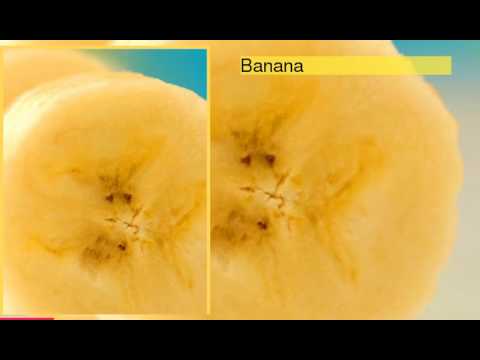
If you’re feeling nauseous or have lost your appetite, bananas are gentle on the stomach. They provide potassium which is crucial for keeping your energy levels up during recovery.
4. Ginger
Ginger tea is a popular remedy for nausea and stomach issues. It has anti-inflammatory properties that may help soothe digestive discomfort.
5. Spinach
This leafy green packs a punch when it comes to nutrients! Spinach is rich in vitamins A and C as well as antioxidants that support immune function.
6. Yogurt
You’ve probably heard about probiotics—well, yogurt is filled with them! These good bacteria can help balance gut health, especially after being sick.
7. Berries
Berries are not just tasty; they’re full of antioxidants which help to fight off free radicals—those pesky molecules that can harm our cells during illness.
8. Oatmeal
If you’re looking for something hearty but gentle on the belly, oatmeal is great! It’s easy to digest and offers fiber that keeps you full longer while also giving sustained energy.
9. Nuts and Seeds
A small handful of nuts or seeds can provide a quick source of healthy fats and proteins which are essential when recovering from any illness.
10. Herbal Teas
Certain herbal teas like chamomile or peppermint can soothe headaches or stomach aches during recovery time—they’re warm and calming too!
- The key isn’t just what you eat but how much water you drink too!
- Your body uses fluid to flush out toxins—so keep drinking!
- Aim for broth-based soups or herbal infusions throughout the day.
- This way you’ll stay hydrated while nourishing yourself at the same time!
- The recovery process takes time; listen to your body when it tells you to rest.
- No one food will magically fix everything; rather it’s about balancing nutrition over these three days—and beyond!
Your journey after flu may feel slow sometimes: be patient with yourself! With nourishing foods and plenty of rest, you’ll be back on your feet in no time.
Nourishing Comfort Foods to Help You Heal Faster
When you’re feeling under the weather, comfort food can be a real lifesaver. It’s not just about taste; some foods can actually help your body recover faster. Let’s break down a few nourishing options that might make your recovery a bit smoother.
1. Chicken Soup
Chicken soup is often considered the classic flu remedy. It’s warm and soothing, which feels comforting when you’re unwell. The broth helps keep you hydrated, and it may reduce inflammation in your throat and sinuses.
2. Ginger Tea
Ginger has been used for ages for its soothing properties. Drinking ginger tea can help ease nausea and has anti-inflammatory benefits too. It’s like giving your stomach a warm hug!
3. Leafy Greens
Think of spinach or kale as vitamins in disguise! They are rich in nutrients like vitamin C and antioxidants that support your immune system. Toss them in smoothies or stir-fries for an extra boost.
4. Garlic
This little bulb packs quite a punch! Garlic contains compounds that have been shown to support immune function. Adding it to your meals can add flavor, plus it might help keep those pesky germs at bay.
5. Yogurt
If you enjoy creamy textures, yogurt could be your friend during recovery. It contains probiotics which may help maintain gut health and boost immunity—basically, it’s good for your belly!
6. Oatmeal
A warm bowl of oatmeal is not just filling; it’s nourishing too! Oats provide fiber, which keeps you satiated, and they also contain antioxidants which might aid healing.
7. Berries
Berries are colorful and sweet snacks loaded with vitamins and antioxidants, making them great for overall health while you’re sick—plus they’re fun to eat!
8. Bananas
If you’re dealing with nausea or an upset stomach, bananas are gentle on the tummy and easy to digest unlike many other foods—they’re also high in potassium which is important if you’ve been sweating or dehydrated.
9. Honey
A drizzle of honey can soothe a sore throat while also adding natural sweetness to teas or yogurt! Just remember not to give honey to babies under one year old due to the risk of botulism.
10. Nuts & Seeds
Nuts like almonds or seeds like chia are loaded with healthy fats, protein, and vitamins. They make great snacks that can provide sustained energy as you recover from any illness.
The thing is—comfort foods don’t have to be unhealthy or heavy; they can also be nutritious! Choosing wisely allows you to nourish your body while indulging cravings when sick.
- Select foods rich in nutrients over processed options when possible.
- Pace yourself: Eating smaller portions more frequently may feel better than large meals.
- Diversity is key so try including different varieties of these suggestions!
- Your body heals best when fueled by wholesome ingredients—not just quick fixes from the pantry!
No single food will magically make you feel better all at once—but together they create a supportive environment for healing during tough times!
The flu, as many know, can leave us feeling drained and exhausted. Recovery is essential, and nutrition plays a crucial role in that process. Eating the right foods can bolster our immune systems and provide the energy we need to bounce back.
One important aspect of recovery is hydration. Foods with high water content, like soups or fruits such as oranges and watermelon, not only keep you hydrated but also help replenish vital nutrients. Broth-based soups, often recommended during illness, are comforting and packed with minerals.
Protein also stands out in the recovery journey. It helps repair damaged tissues and supports immune function. Options like chicken or beans provide great sources of protein. Then there are whole grains like oats or brown rice that offer sustained energy to help combat fatigue.
Don’t forget about fruits and vegetables! They’re rich in vitamins and antioxidants that may reduce inflammation. Dark leafy greens, berries, and even garlic can be invaluable allies during your healing process.
Finally, probiotics from yogurt or fermented foods can help restore gut health. Since our gut tells a lot about our overall health—it’s worth considering these foods for recovery.
Nourishing your body post-flu is not just about what you eat; it’s about listening to it too. Resting is as important as those nourishing meals you put on your plate!