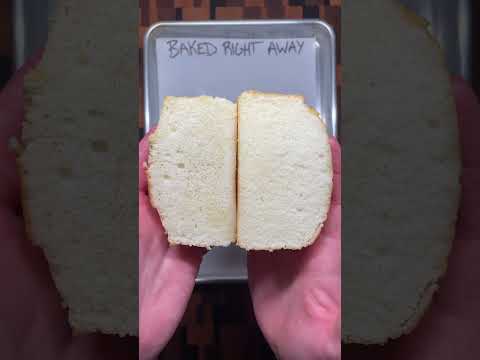
Baking powder is a kitchen staple that helps baked goods rise and become fluffy. But what happens when you find yourself in the middle of a recipe, only to discover you’re out of this essential ingredient? Fear not! There are surprising substitutes right in your pantry that can save the day.
In our exploration of “10 Surprising Substitutes for Baking Powder You Can’t Miss,” we’ll uncover everyday items you might already have on hand. From baking soda combined with an acid to creative alternatives, these solutions will spark your curiosity and inspire you to experiment in your kitchen.
However, while these substitutes can be effective, it’s important to understand their unique properties. Each option varies in strength and flavor, which may alter your final result slightly. Before diving into substitutions, take a moment to educate yourself. Check reliable sources or consult experienced home bakers for more guidance. This way, you’ll make informed choices that enhance your baking adventures while enjoying delicious outcomes!
The information provided in this article is intended solely for general informational and educational purposes. It does not constitute medical advice, diagnosis or professional treatment, and should not be considered a substitute for consultation with a qualified doctor or other licensed healthcare professional. Any health-related decisions should be made in consultation with accredited medical professionals.
While efforts have been made to ensure the information is accurate and up to date, no guarantees are given—either express or implied—regarding its accuracy, completeness, currency or suitability. Use of this information is at your own discretion.
It is strongly recommended to consult official sources such as the NHS (National Health Service) or other recognised medical institutions before acting on any information contained on this website or article. Under no circumstances should professional medical advice be ignored or delayed due to content read here.
This content is of a general and informational nature only. It is not intended to replace individualised guidance from a healthcare professional or to establish any doctor-patient relationship. The publication of this information does not imply any professional responsibility, guarantee or obligation on the part of the author or this site.
Discover Creative Alternatives to Baking Powder When You’re in a Pinch
Baking powder is a common ingredient in many recipes. It helps baked goods rise and become light and fluffy. Sometimes, though, you might find yourself without it. Don’t worry! There are several creative alternatives you can use to achieve similar results.
One option is to use baking soda combined with an acid. Baking soda requires an acid to activate and create that rise we’re looking for. You can mix one part baking soda with two parts vinegar or lemon juice.
Another great substitute is using yogurt or buttermilk. Both are acidic and can react with baking soda too. For every teaspoon of baking powder needed, use half a teaspoon of baking soda mixed with half a cup of yogurt or buttermilk.
You can also try using cream of tartar along with baking soda. Mix one part baking soda with two parts cream of tartar to create your own homemade baking powder.
This flour already contains both flour and leavening agents like baking powder.
Switch out regular flour for self-rising flour in your recipe, adjusting the liquid accordingly.
Another option could be mashed bananas or applesauce if you’re making something sweet. They don’t directly replace the leavening agent but can add moisture and act as a binding agent as well.
Egg whites are also useful when whipped correctly. They incorporate air, which helps things rise when folded into your batter gently.
You could even use club soda! The carbonation creates bubbles that help baked goods lift while cooking.
Lastly, vinegar combined with milk works really well too! The acidity will react with any base in your recipe to create lift just like traditional leaveners do.
In summary, being out of baking powder doesn’t have to ruin your kitchen plans. With these alternatives on hand, you can continue experimenting and enjoying your favorite recipes without stress! Just remember that while substitutions can work wonders, always adjust quantities based on what feels right for your specific dish. Happy baking!
A Simple Guide to Creating Your Own Baking Powder at Home
Baking powder is a common leavening agent used in many recipes. It helps baked goods rise, making them fluffy and light. But what if you run out? Don’t worry! You can easily make your own at home.
Creating baking powder is simple and requires just two ingredients: an acid and a base. The most common combination is baking soda (the base) and cream of tartar (the acid).
To make your own baking powder:
For example, if you use 1 teaspoon of baking soda, combine it with 2 teaspoons of cream of tartar. This mixture will provide the leavening power similar to store-bought baking powder.
If you don’t have cream of tartar, there are other substitutions. You can use vinegar or lemon juice. However, keep in mind that these liquids will change the moisture content of your batter.
Another option is yogurt or sour milk. When using these dairy products, reduce other liquid ingredients in your recipe to balance things out.
It’s also important to remember that homemade baking powder works best when used fresh. It loses its potency over time, so mix only what you need for immediate use.
Now let’s talk about storage! If you do end up making extra, store it in an airtight container in a cool, dry place. But try to use it within a month to ensure effectiveness.
Baking is like science—precise measurements lead to the best results! So when substituting or creating your own leavening agents, accuracy matters.
In conclusion, making homemade baking powder can be quick and easy. Whether you’re experimenting with flavors or simply running low on supplies, knowing how to create this essential ingredient empowers you as a baker! Enjoy your cooking adventures!
Discover Creative Substitutions for Your Baking Needs
Baking can sometimes require a bit of creativity. When you run out of ingredients, knowing substitutes can keep your recipes on track. One common ingredient that often runs low is baking powder. Luckily, there are plenty of easy replacements!
First, let’s understand what baking powder does. It helps baked goods rise by producing carbon dioxide gas when mixed with moisture and heat. So, any replacement should have a similar effect.
Here are some creative substitutes for baking powder:
Applying these substitutions not only saves your recipe but also adds unique flavors to your dishes!
Remember that each substitute may slightly change texture or taste. Experimenting can lead to delightful surprises!
Keep these alternatives handy next time you’re in the kitchen—your culinary adventures await!
Baking powder is a staple in many kitchens, but it’s not always available when needed. Understanding substitutes can empower home bakers and help avoid last-minute grocery runs.
Many people may not realize that common kitchen ingredients can effectively replace baking powder. For example, the combination of vinegar and baking soda creates a chemical reaction that produces carbon dioxide, causing baked goods to rise. Similarly, yogurt or buttermilk mixed with baking soda can achieve the same effect due to their acidity.
Here are some surprising substitutes you might consider:
Using these alternatives not only fosters creativity in the kitchen but also minimizes waste and fosters resourcefulness. It’s a reminder that cooking often involves experimentation—sometimes leading to delightful new flavors.
Ultimately, being aware of these options helps ensure delicious results even when ingredient shortages arise. In any recipe requiring leavening, recognize that science plays a key role; understanding how substitutions work allows for better decision-making in your culinary endeavors.