The information provided in this article is intended solely for general informational and educational purposes. It does not constitute medical advice, diagnosis or professional treatment, and should not be considered a substitute for consultation with a qualified doctor or other licensed healthcare professional. Any health-related decisions should be made in consultation with accredited medical professionals.
While efforts have been made to ensure the information is accurate and up to date, no guarantees are given—either express or implied—regarding its accuracy, completeness, currency or suitability. Use of this information is at your own discretion.
It is strongly recommended to consult official sources such as the NHS (National Health Service) or other recognised medical institutions before acting on any information contained on this website or article. Under no circumstances should professional medical advice be ignored or delayed due to content read here.
This content is of a general and informational nature only. It is not intended to replace individualised guidance from a healthcare professional or to establish any doctor-patient relationship. The publication of this information does not imply any professional responsibility, guarantee or obligation on the part of the author or this site.
Are you trying to go low carb to lose weight or boost your health? It’s a popular choice, but many people stumble along the way. Sometimes, these missteps can do more harm than good.
Like, have you ever noticed how easy it is to overlook hidden sugars in foods you thought were healthy? Or maybe you’ve found yourself walking around feeling tired and cranky, even though you’re eating less bread and pasta?
This article dives into five common mistakes that folks often make on their low carb journey. Each slip-up can impact not just your weight loss goals, but also your overall well-being. Understanding these pitfalls is key.
You might think cutting carbs is straightforward, but trust me—it’s not always that simple. By shining a light on these issues, we hope to help you navigate your low carb lifestyle with more confidence.
Remember though—this content isn’t a replacement for personalized medical advice. Always consult a healthcare professional before making significant changes to your diet or health routine.
Uncovering the Hidden Risks of Cutting Carbs from Your Diet
Understanding the Risks of Cutting Carbs
Many people jump into low-carb diets thinking it’s the ultimate solution for weight loss or better health. But, cutting carbs can lead to some hidden risks that you might want to consider. Let’s break it down.
The Role of Carbohydrates
Carbs are not the enemy. They’re your body’s primary energy source. Think about it like this: if you don’t give your car fuel, it won’t run smoothly, right? Your brain and muscles need carbs to function well. Without them, you might feel tired and unfocused.
Nutrient Deficiencies
When you drastically cut carbs, you could miss out on essential nutrients found in fruits, vegetables, and whole grains. These foods are packed with vitamins and minerals—stuff your body needs daily. It’s like trying to build a house without all the bricks; things won’t be stable.
Potential Mood Changes
Your mood might take a hit too. Many people report feeling irritable or moody when they cut back on carbohydrates. There’s science behind this! Carbs help produce serotonin—a chemical in your brain that stabilizes mood. So, if you’re feeling down, maybe it’s time to rethink that carb-cutting approach.
The Risk of Muscle Loss
If you don’t consume enough carbohydrates alongside proteins and fats, your body may start breaking down muscle for energy—yikes! Maintaining muscle is important not just for strength but also for metabolism because muscle burns more calories than fat.
Your Energy Levels Matter
Have you ever tried running on empty? Reducing carbs too much can make workouts feel impossible. You might find yourself fatigued or sluggish during exercise sessions; this is often due to a lack of readily available energy from carbs.
Overeating Other Macros
Sometimes people compensate by eating more fats or proteins thinking they’ll fill the gap left by cutting out carbs. But if these are consumed in excess without balance, they can lead to weight gain or other health issues over time. Moderation is key!
A Balanced Approach Is Important
If you’re considering a low-carb diet, try to strike a balance instead of going cold turkey on carbs altogether. Focus on healthier carb sources like whole grains and vegetables instead of processed foods high in sugar.
The bottom line here is simple: listen to your body and don’t ignore its signals while experimenting with diet changes! Some people thrive on low-carb diets but others may face challenges that could affect their overall health.
Uncovering the Surprising Culprit Behind Your Carb Cravings
Understanding Carb Cravings
Carbohydrate cravings can be frustrating. You might think it’s just a lack of willpower, but there’s often more to it than that. Sometimes, our bodies are signaling us for a reason.
The Role of Blood Sugar
Your blood sugar levels fluctuate throughout the day. When they dip too low, you may crave carbs to quickly raise your energy levels. It’s similar to feeling sleepy and reaching for coffee; your body is asking for a quick boost.
Hormones at Play
Hormones can also influence cravings. For instance, when you’re stressed, your body releases cortisol, which can lead to increased appetite for high-carb foods. Think of it as your body’s way of seeking comfort during tough times.
Common Low Carb Mistakes
When trying a low-carb lifestyle, many people make mistakes that can affect their health negatively.
1. Skipping Meals
If you often skip meals thinking it will help with weight loss, you might actually make cravings worse later on. Your body doesn’t like being deprived and will yell for carbs when you’re finally hungry.
2. Not Enough Fats
If you cut out carbs without replacing them with healthy fats, you might feel unsatisfied and crave sweets or bread more often. Healthy fats provide energy and keep you feeling full longer.
3. Ignoring Hydration
Dehydration can be mistaken for hunger or cravings; sometimes your body just needs water! Staying well-hydrated is key in managing those pesky cravings.
4. Processed Low-Carb Foods
A lot of low-carb products on the market are processed and full of additives that may actually trigger more cravings rather than satisfy them. Whole foods are usually a better option!
5. Unrealistic Expectations
If you’re expecting immediate results from cutting carbs but don’t see them, frustration kicks in—which may lead to bingeing on those very foods you’re avoiding! Patience is essential here.
Tackling Carbs Wisely
The crux is listening to your body while making strategic food choices and changes in your diet over time instead of going cold turkey on carbs entirely.
You know? Balancing how much to eat while keeping an eye on quality matters greatly in keeping those cravings at bay.
If carb cravings persist despite making adjustments and understanding these factors, consider discussing it with someone who’s knowledgeable about diet and health—it could give you new insights!
Uncover the surprising effects on your body and mind when you cut out carbs for just two weeks.
Understanding Low Carb Diets
Cutting out carbs can feel like a big change. Carbohydrates are a primary source of energy for our body, and when you reduce them, you might experience some surprising effects on both your body and mind. First off, let’s look at what happens physically.
Physical Changes
When you lower your carb intake, your body starts to use fat as its main fuel. This process is called ketosis. You know how cars run on gas? Well, think of carbs as the gas for your body’s engine. Without it, the engine shifts gears and begins to burn fat instead.
During the first week or so, many people report losing weight quickly. This is mostly water weight because carbs hold onto water in the body. So when you cut them out, you’re shedding excess water along with some glycogen—stored form of glucose in muscles.
However, keep an eye out for fatigue or headaches during this initial phase. This “keto flu” isn’t uncommon and can happen as your body adjusts to this new fuel source.
Mental Effects
Your mind also feels effects from reducing carbs. Initially, some folks report feeling foggy or less focused. Think about it: if your brain’s preferred energy source is suddenly cut off, it may take time to adapt.
As you settle into this low-carb lifestyle though, many find increased mental clarity and focus—once their bodies switch over to burning fat efficiently. It’s like switching from dial-up internet to fiber optic; things might feel slow at first but then speed up significantly!
Nutrient Considerations
Cuts in carb intake can lead to fewer fruits and whole grains in your diet; these foods supply essential vitamins and minerals. You might miss out on fiber too which helps with digestion.
- Your gut health: Low fiber can lead to constipation or other digestive issues.
- Social situations: Dining out or attending gatherings can be tricky if most dishes are carb-heavy.
- Sustained energy: Without regular carbs throughout the day, you may experience dips in energy levels.
Avoiding Common Mistakes
If you’re considering going low-carb for even just two weeks, here are some mistakes to avoid:
- Solely focusing on protein: Balance is key; include healthy fats too!
- Packing up processed “low-carb” snacks: They may still have additives that aren’t great for health.
- Nutrient neglect: As we mentioned earlier—don’t forget fruits and veggies!
- Lack of hydration: Sometimes thirst gets mistaken for hunger; drink up!
- Pushing through extreme hunger without listening to your body: It’s okay to eat when you’re hungry!
Your Takeaway
Cutting out carbs can bring about interesting changes both physically and mentally over a span of two weeks! Just be aware of what you’re eating—and ensure that you’re still fueling your body with balanced nutrients along the way.
The journey could be different for everyone depending on their individual make-up and lifestyle choices!
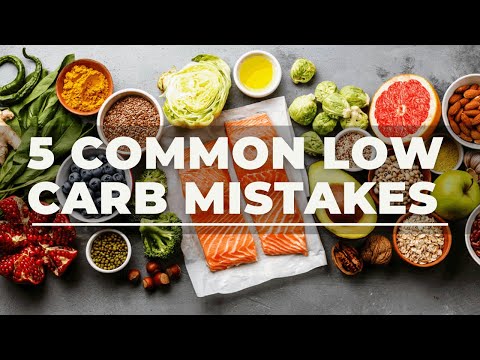
5 Common Low Carb Mistakes That Can Impact Your Health
Low carb diets, like ketogenic or Atkins, can be effective for weight loss. But hey, it’s easy to make mistakes that might affect your health. Let’s break down five common errors people make.
1. Not Eating Enough Vegetables
People often cut carbs and forget about vegetables. These greens are crucial! They provide fiber, vitamins, and minerals. Without them, you could end up with digestive issues or nutrient deficiencies.
2. Overdoing Protein
The focus tends to shift to protein when carbs are reduced. While protein is essential for muscle repair and satiety, too much can strain the kidneys over time. Balance is key!
3. Ignoring Healthy Fats
A low carb diet usually involves higher fat intake, but not all fats are created equal. Relying too much on saturated fats can raise cholesterol levels. Opt for healthy fats like olive oil or avocados!
4. Neglecting Hydration
When busting carbs, many forget hydration is vital too! Low carb diets can lead to rapid water loss at first due to glycogen depletion, so drink plenty of water to stay balanced.
5. Skipping Meals
If you’re trying to cut carbs drastically, meal skipping might seem tempting but it often leads to binges later on or nutrient imbalances over time. Regularly timed meals help maintain energy levels.
A low carb diet can be beneficial if done mindfully—keeping these common pitfalls in check will help you achieve better health outcomes while enjoying your journey!