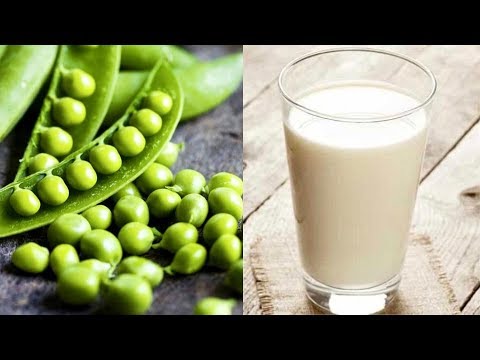
Milk has long been a staple in many diets, but its benefits often go beyond what we typically think. From strengthening bones to boosting hydration, milk packs more surprises than you might expect. As you sip your morning glass, you could be unlocking a wealth of nutrition that your body craves.
Curious about what milk can do for you? Let’s explore five surprising health benefits that may encourage you to reconsider this classic beverage. It’s not just about calcium; each benefit could play a role in enhancing your overall well-being.
However, it’s important to approach these benefits with caution. While milk can be a nutritious part of many diets, it isn’t suitable for everyone. Some people may experience lactose intolerance or allergies. Always seek information and advice from various specialists and resources to ensure that what you’re consuming aligns with your unique health needs. Trust your instincts and make informed choices!
The information provided in this article is intended solely for general informational and educational purposes. It does not constitute medical advice, diagnosis or professional treatment, and should not be considered a substitute for consultation with a qualified doctor or other licensed healthcare professional. Any health-related decisions should be made in consultation with accredited medical professionals.
While efforts have been made to ensure the information is accurate and up to date, no guarantees are given—either express or implied—regarding its accuracy, completeness, currency or suitability. Use of this information is at your own discretion.
It is strongly recommended to consult official sources such as the NHS (National Health Service) or other recognised medical institutions before acting on any information contained on this website or article. Under no circumstances should professional medical advice be ignored or delayed due to content read here.
This content is of a general and informational nature only. It is not intended to replace individualised guidance from a healthcare professional or to establish any doctor-patient relationship. The publication of this information does not imply any professional responsibility, guarantee or obligation on the part of the author or this site.
Discover How Milk Can Boost Your Health and Well-Being
Milk is more than just a tasty beverage; it has some surprising health benefits that can enhance your overall well-being. Let’s dive into how this common drink could play a role in your nutrition.
First off, milk is an excellent source of calcium. Calcium is essential for bone health. Think of your bones as a house; calcium makes up the sturdy walls. Consuming enough calcium helps keep those walls strong and prevents issues like osteoporosis as we age.
Another remarkable benefit of milk is its high protein content. Proteins are like building blocks for the body. They help repair tissues and support muscle growth. If you’re looking to maintain or build strength, incorporating milk into your diet may be a smart move.
. Vitamin B12 helps with red blood cell production, while vitamin D supports calcium absorption. Together, they help keep our bodies functioning properly. Imagine them as two important players on the same team working towards better health.
Don’t forget about hydration! Milk can be hydrating due to its liquid content and also provides electrolytes like potassium and sodium. This makes it quite refreshing after exercise or on a hot day.
Some people believe that milk can contribute to weight management. While not everyone will experience the same results, some studies suggest that consuming dairy may help you feel fuller for longer, which could lead to reduced snacking and better portion control.
Lastly, consider the variety of milks available today! Whether it’s whole, skim, almond, or oat milk—there’s something for everyone based on dietary needs or preferences. Always pay attention to labels so you’re making choices that align with your health goals.
In conclusion, milk offers several benefits—from strong bones and muscles to hydration and fullness—it’s worth considering how it fits into your diet. Remember to listen to your body’s needs and make informed choices that suit you best!
Unlocking the Hidden Perks of Dairy Delights
Milk and dairy products are staples in many diets around the world. They often get a bad rap, but there are actually some surprising benefits tied to them. Let’s look at a few reasons why including dairy in your diet might be more beneficial than you thought.
Strong bones: One of the well-known benefits of milk is its calcium content. Calcium is crucial for building strong bones and preventing osteoporosis later in life. Think of bones like the foundation of a house; without strong materials, they can crumble over time.
Muscle repair: After exercise, your muscles need repair. Milk contains protein, which helps with this process. It’s similar to how putting together puzzle pieces completes the picture; protein helps put your muscles back together after a workout.
Hydration booster: You might not think of milk as a hydrating beverage, but it actually helps with hydration due to its water content and electrolytes. After exercise, having some milk can replenish both fluids and nutrients lost during physical activity.
Disease prevention: Some studies suggest that dairy consumption may lower the risk of certain diseases like type 2 diabetes and heart disease. It’s important to note that this doesn’t mean dairy is a magic solution; it’s part of an overall balanced diet and lifestyle.
Nutrient diversity: Dairy products provide various vitamins and minerals not always abundant in other foods. For instance, vitamin D works alongside calcium for bone health while B vitamins support energy production. Incorporating dairy can boost your nutrient intake significantly.
In conclusion, including dairy products in moderation can contribute positively to nutrition and overall health. However, it’s essential to listen to your body’s needs and preferences regarding foods you consume. Not everyone will react the same way! Always be open to exploring different options that suit you best while maintaining a balanced diet.
Uncovering the Essential Benefits of Milk for Health and Well-being
Milk is often a staple in many diets, and it carries several health benefits that might surprise you. It’s more than just a drink—it can play an important role in your nutrition. Let’s unpack some of these essential benefits.
While milk offers these benefits, it’s important to listen to your body. Some people may have allergies or intolerances that make consuming milk difficult. Always consider how your own system reacts.
It’s also good to think about balance in your diet. Too much of anything isn’t ideal; moderation is key!
In conclusion, integrating milk into your diet can offer several nutritional benefits—just be sure to choose what works best for you!
Milk is often a staple in many diets around the world. While some people may overlook its benefits or choose alternatives, there are several surprising health advantages it offers.
1. Bone Health: Milk is rich in calcium and vitamin D, both crucial for building and maintaining strong bones. Think of your bones as a house; calcium provides the bricks, while vitamin D ensures that those bricks stay in place.
2. Muscle Repair: After exercise, your muscles need recovery. The protein in milk can help repair muscle tissue, much like how a mechanic fixes up a car after it’s been driven hard.
3. Hydration: Surprisingly, milk can be just as hydrating as water for some individuals. Its electrolyte content helps maintain fluid balance in the body.
4. Heart Health: Some studies suggest that dairy intake, including milk, may lower the risk of heart disease. Think of it as a friendly guardkeeping your heart healthy by managing cholesterol levels.
5. Weight Management: Consuming milk can help you feel fuller longer due to its protein content and fat (in whole milk), which may assist in controlling cravings and aiding weight management.
While these benefits highlight why incorporating milk into your nutrition can be valuable, it’s important to consider individual dietary needs and preferences. Those who are lactose intolerant or have dairy allergies should look for alternatives fortified with similar nutrients.
Always remember to view any single food as part of an overall balanced diet rather than relying solely on one type of nutrition for health benefits. This holistic approach is key to making informed decisions about what you eat!