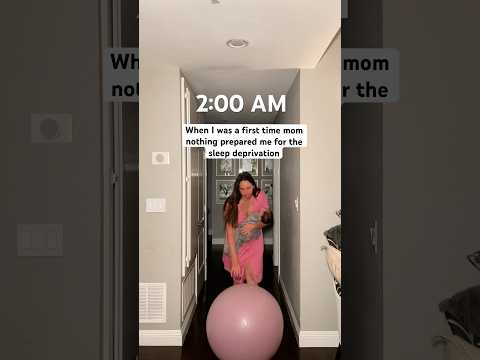
Sleepless nights can be frustrating, leaving us feeling exhausted and irritable. Instead of tossing and turning, why not embrace that time? There’s a world of creative possibilities waiting for you in the quiet hours of the night. Whether it’s picking up a brush to paint or getting lost in a captivating book, these moments can spark inspiration and help you unwind.
Imagine turning that restless energy into something productive. You could write a poem, try your hand at crafting, or even learn a new skill online. The options are endless! Exploring these activities might not only make your sleepless nights more enjoyable but also provide you with tools to relax and reduce tension in the future.
However, it’s important to approach sleeplessness with care. If sleep issues persist, they may indicate an underlying health concern. Always consult healthcare professionals who can guide you based on your specific needs. Gathering information from various experts and trusted sources is crucial for understanding your situation better. Your well-being should always come first!
The information provided in this article is intended solely for general informational and educational purposes. It does not constitute medical advice, diagnosis or professional treatment, and should not be considered a substitute for consultation with a qualified doctor or other licensed healthcare professional. Any health-related decisions should be made in consultation with accredited medical professionals.
While efforts have been made to ensure the information is accurate and up to date, no guarantees are given—either express or implied—regarding its accuracy, completeness, currency or suitability. Use of this information is at your own discretion.
It is strongly recommended to consult official sources such as the NHS (National Health Service) or other recognised medical institutions before acting on any information contained on this website or article. Under no circumstances should professional medical advice be ignored or delayed due to content read here.
This content is of a general and informational nature only. It is not intended to replace individualised guidance from a healthcare professional or to establish any doctor-patient relationship. The publication of this information does not imply any professional responsibility, guarantee or obligation on the part of the author or this site.
Discover simple strategies to reclaim your restful nights
Many people struggle with sleepless nights. It can feel frustrating and exhausting. However, there are simple strategies that can help reclaim restful sleep.
First off, create a sleep routine. Going to bed and waking up at the same time every day trains your body’s internal clock. Think of it as setting a schedule for your body’s energy usage.
Next, consider your sleep environment. A cool, dark room promotes better sleep. Use curtains to block light and keep the temperature comfortably cool. It’s like creating a cozy cave for yourself.
Also, be mindful of what you consume close to bedtime. Caffeine and heavy meals can disrupt sleep. Instead, try a light snack or herbal tea before bed; it’s like giving your body a gentle nudge toward relaxation.
Another useful strategy is to limit screen time in the evening. The blue light from phones and computers can trick your mind into thinking it’s still daytime. Try swapping those screens for a good book or some calming music instead—it helps signal that it’s time to wind down.
Physical activity during the day is great too! Regular exercise promotes better sleep quality but aim to finish vigorous workouts at least a few hours before bedtime. Think of it as cleaning out the energy tank so you can refuel with rest later.
Lastly, practice relaxation techniques. Deep breathing or gentle stretches can ease stress and prepare your mind for sleep. Just imagine unwinding like a tightly coiled spring slowly loosening its grip.
Trying these strategies might help improve your sleepless nights. Understand that everyone’s body is different; what works well for one person may not suit another perfectly. It is okay to tweak these suggestions to find what feels right for you!
Remember that if sleeplessness continues despite trying these tips, consulting someone knowledgeable in health or wellness may be beneficial in finding tailored solutions that suit your needs. Sleep is important for overall health—make it a priority!
Discover simple strategies to drift off into dreamland in no time.
Getting a good night’s sleep can sometimes feel elusive. Many folks struggle with drifting off to dreamland, especially during stressful or busy times. Fortunately, there are simple strategies you can try to help ease into sleep more comfortably.
First up is establishing a bedtime routine. Think of it like preparing for a big game. You wouldn’t just jump in; you’d warm up first. Create calming activities before bed, like reading or listening to soothing music. This signals your body that it’s time to unwind.
Next, consider your sleep environment. Transform your bedroom into a sleep sanctuary. Keep it dark, cool, and quiet. Heavy curtains can block out light, while earplugs or white noise machines can mask disruptive sounds.
Mindfulness techniques can also be quite helpful. Practices like deep breathing or meditation allow you to let go of daily stressors. Imagine blowing out birthday candles; the more you focus on each breath, the lighter you feel as tension fades away.
Another method is progressive muscle relaxation. This involves tensing and then relaxing each muscle group in your body. Start from your toes and move up to your head—this helps release built-up tension and prepares your body for rest.
Lastly, limit screens before bedtime. The blue light from phones and tablets tricks your brain into thinking it’s still daytime. Try putting devices away at least an hour before bed—this way, you’ll make space for natural sleepiness to take over.
Experimenting with these strategies can lead to improved sleep quality over time. Remember that everyone is different; what works brilliantly for one person might not suit another as well.
In short:
Sleep should be a natural process—not a battle! Give yourself patience as you find what best helps you drift off into dreamland peacefully.
Ideas to Turn Restless Nights into Meaningful Moments
Sometimes, we find ourselves staring at the ceiling in the middle of the night. Instead of tossing and turning, why not use that time creatively? Here are some ideas to turn sleepless nights into moments that nourish your soul.
1. Journaling
Grab a notebook and write down your thoughts. This can be a great way to express your feelings or reflect on your day. Consider making lists too, like goals or things you’re grateful for.
2. Read a Book
Dive into a book you’ve been meaning to read. Whether it’s fiction or nonfiction, getting lost in a story can be quite magical when the world is quiet.
3. Meditate
Meditation helps calm an active mind. Focus on your breathing or listen to guided meditations online. It’s a fantastic way to find peace, even in the wee hours.
4. Learn Something New
Use this time for self-improvement! Websites offer free courses on various subjects—from cooking to coding. You’ll feel productive instead of restless.
5. Creative Writing
Try writing poetry or short stories! Let your imagination run wild and put pen to paper without worrying about editing it later.
6. Plan Your Day
Create a plan for the following day or week. Organizing tasks can ease anxiety and help you feel more prepared when morning comes.
Turn those restless nights into opportunities for growth and creativity! Sometimes, embracing these quiet moments can lead us to unexpected joys and insights. Remember, it’s all about perspective—finding meaning in the unplanned parts of life can often lead us down fulfilling paths.
Sleepless nights can be frustrating and exhausting, affecting both physical and mental health. Reflecting on creative ideas to navigate these wakeful hours reveals the importance of turning restlessness into productive or restorative activities.
Firstly, engaging in gentle stretches or yoga can help relax the body and calm the mind. This physical activity encourages mindfulness, which is beneficial for reducing anxiety.
Secondly, diving into a good book allows for an escape without the distractions of screens. It promotes cognitive engagement and can help shift focus away from stressors.
Another idea is to practice journaling. Writing down thoughts or feelings can serve as a therapeutic release, helping to declutter the mind after a long day.
Creativity can also thrive during sleepless moments. Engaging in art—whether painting, drawing, or crafting—can stimulate relaxation and provide a sense of accomplishment.
Meditation or deep breathing exercises are invaluable tools. They ground us in the present moment and can significantly improve overall sleep quality when practice becomes routine.
Lastly, consider planning future goals or making lists for upcoming tasks. This helps organize thoughts and may even ease anxiety about what’s ahead.
In summary, while sleepless nights are challenging, they can be transformed into opportunities for self-care and creativity. Embracing such strategies not only promotes personal growth but also offers a proactive approach to managing restlessness with grace.