The information provided in this article is intended solely for general informational and educational purposes. It does not constitute medical advice, diagnosis or professional treatment, and should not be considered a substitute for consultation with a qualified doctor or other licensed healthcare professional. Any health-related decisions should be made in consultation with accredited medical professionals.
While efforts have been made to ensure the information is accurate and up to date, no guarantees are given—either express or implied—regarding its accuracy, completeness, currency or suitability. Use of this information is at your own discretion.
It is strongly recommended to consult official sources such as the NHS (National Health Service) or other recognised medical institutions before acting on any information contained on this website or article. Under no circumstances should professional medical advice be ignored or delayed due to content read here.
This content is of a general and informational nature only. It is not intended to replace individualised guidance from a healthcare professional or to establish any doctor-patient relationship. The publication of this information does not imply any professional responsibility, guarantee or obligation on the part of the author or this site.
Have you ever noticed a stubborn yellowish layer on your teeth? That’s tartar. It’s one of those things we often ignore until it becomes a bigger problem. Tartar buildup can lead to gum disease and cavities, and honestly, nobody wants that.
You might be wondering why this happens in the first place. Well, it forms when plaque—a sticky film of bacteria—hardens on your teeth. Once that happens, brushing alone won’t do the trick anymore. This is where things can get tricky.
In this article, we’ll explore six effective tips for removing tartar buildup safely. These suggestions are designed to help you take a proactive approach to your dental health without jumping into any drastic measures.
Your dental health matters—not just for that sparkling smile but for your overall well-being too. Just remember, while this article provides helpful insights, it doesn’t replace personalized medical advice. Always consult a healthcare professional before making any major changes to your oral care routine.
Unlock Your Smile: Simple Ways to Banish Tartar at Home
Understanding Tartar Buildup
Hey, so let’s talk about tartar. It’s that hard, yellow-brown substance that sticks to your teeth. You might have noticed it after skipping a few brushing sessions. Tartar forms when plaque, a soft film of bacteria from our mouths, hardens due to minerals in saliva. Kind of gross, right?
Why is Tartar a Problem?
Tartar can lead to dental issues like cavities and gum disease if left untreated. Once it’s hardened on your teeth, it’s pretty tough to remove without professional help. It’s like having a stubborn stain on your favorite shirt!
Simple Ways to Banish Tartar at Home
There are some ways you can help keep tartar at bay right from home. Here are six effective strategies:
- Brush Regularly: Aim for twice a day for two minutes each time.
- Floss Daily: Flossing gets into those tight spaces between your teeth where brushing might miss.
- Mouthwash Use: An antibacterial mouthwash can help kill germs that contribute to plaque.
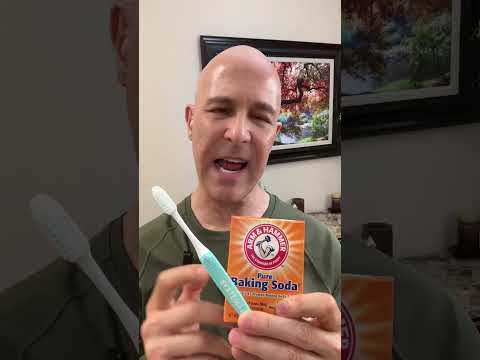
- Baking Soda Paste: Mixing baking soda with water creates an abrasive paste that can help scrub away tartar.
- Dairy Products: Foods like yogurt or cheese may help neutralize acids in the mouth.
- Crispy Fruits and Veggies: Think apples and carrots! They act as natural toothbrushes while you munch away.
The Role of Diet
You know how what you eat affects your body? The same goes for your teeth! Sugary foods and drinks can fuel the bacteria responsible for plaque and tartar formation. Limiting those items helps keep your mouth healthier.
The Importance of Professional Cleaning
No matter how diligent you are at home, nothing beats a good cleaning from a dentist or hygienist every six months. They have tools designed just for this; plus, it gives them the chance to catch any potential problems early on.
Cautions When Using Home Remedies
If you’re thinking about using things like baking soda or other abrasive materials too often, be careful! Overuse might wear down tooth enamel—a protective layer on your teeth—making them more sensitive over time.
Sparking Conversations About Smile Care
The thing is, taking care of our dental health should be part of our daily routines. Educating ourselves about these simple processes keeps our smiles shining bright! Sharing info with friends or family helps spread awareness too—just think about how many people might benefit!
Achieve a Sparkling Smile with Easy DIY Techniques
Understanding Tartar Buildup
Tartar, also known as calculus, is a hard substance that builds up on teeth when plaque isn’t removed. Plaque is a soft, sticky film of bacteria that forms on your teeth. If plaque isn’t brushed away, it can harden into tartar in just 24 to 72 hours. Once it forms, it can’t be removed by brushing alone.
Why Remove Tartar?
Tartar can lead to several dental problems like cavities and gum disease. When you have tartar on your teeth, not only does it look bad but it can also be harmful to your gums. So it’s super important to manage it.
1. Baking Soda Paste
Baking soda is a common ingredient in many homes. Mixing a bit of baking soda with water creates a paste that helps scrub away some surface stains and fights bad breath too. Just remember, this won’t remove all the tartar but it’s a good start.
2. Hydrogen Peroxide Rinse
A solution of hydrogen peroxide diluted with water can help reduce bacteria in the mouth and lighten stains on teeth. You could swish some around for about 30 seconds before rinsing with regular water afterward.
3. Apple Cider Vinegar Solution
This is kind of trendy in health circles! Diluting apple cider vinegar with water creates an acidic solution that may help loosen tartar deposits when used sparingly—but don’t overdo it! The acidity could erode enamel if used too often.
4. Regular Brushing
Brushing twice daily for at least two minutes is essential. Using a toothbrush with soft bristles can help protect your gums while cleaning effectively.”
5. Flossing Daily
You know how flossing sometimes feels like a chore? Well, it really helps dislodge food particles and plaque from between your teeth where your brush can’t reach easily.” Make flossing part of your daily routine; trust me—it makes a difference!
6. Professional Cleanings
No DIY technique replaces the importance of regular dental cleanings by professionals every six months or so as they have the tools to tackle tartar buildup effectively.” They will usually use ultrasonic instruments or manual scalers for best results.
The Bottom Line
Easier methods exist for addressing tartar buildup at home, but they’re more about maintenance rather than complete removal.” Always keep up with good oral hygiene practices—and what works best for you personally!” If you’re ever unsure or concerned about your dental health, reaching out to someone who knows their stuff can provide peace of mind!
Understanding the Implications of Tartar Dislodgment for Your Dental Health
Understanding Tartar Dislodgment
Tartar, or calculus as it’s sometimes called, is a hard deposit that forms on your teeth. It builds up when plaque—stuff made from bacteria and food particles—hardens. This can happen if you don’t brush and floss regularly.
When tartar gets too thick, it can be a problem for your dental health. Removing it isn’t just about getting a clean smile; it’s essential for preventing gum disease and cavities.
What Happens When Tartar is Dislodged?
So, you might wonder, what happens when tartar gets dislodged? Well, once it’s loosened, bits can end up getting swallowed or stuck somewhere else in your mouth. It sounds gross, right? But here’s the thing: you want to ensure it doesn’t cause any harm.
If you have tartar removed by a dental professional—that’s usually the safest way—it often leaves your teeth feeling cleaner. However, sometimes people attempt to remove tartar at home using various methods. This can lead to more harm than good because improper techniques might damage your gums or enamel.
The Importance of Professional Cleanings
Regular dental cleanings are key for keeping tartar at bay. Dental hygienists use special tools that are designed just for this job. They know how to safely remove the buildup without causing damage.
You might think skipping these appointments is fine if you’re brushing well at home but honestly? Without regular checks, small issues could turn into big ones over time.
Common Misconceptions
- Tartar Can Be Brushed Away: Many believe they can just brush away tartar easily. Unfortunately, conventional brushing isn’t enough since it’s so hard-bound to tooth surfaces.
- You Only Get Tartar If You Don’t Brush: While not brushing increases your risk, even good brushers can still get some buildup due to diet and genetics.
- Citrus Foods Help Remove Tartar: Some think that eating acidic foods will help dissolve tartar. While they may freshen breath briefly, they don’t actually remove hardened deposits!
A Balanced Approach to Oral Care
Your daily routine should include good brushing habits—twice daily with fluoride toothpaste—and flossing at least once a day. These practices help keep plaque down before it has a chance to harden into tartar.
If you’re concerned about tarter buildup or how best to manage oral health related problems like gum disease or cavities—it’s always smart to consult with a dentist who can give personalized guidance based on your specific situation.
The Bottom Line
Moral of the story? Taking care of your teeth isn’t just about aesthetics; it’s crucial for long-term health too. Being proactive now helps avoid problems down the road! So next time you’re tempted to skip cleaning or think about tackling stubborn tartar yourself remember: there’s no substitute for professional care!
Tartar buildup, you know, is that hard, yellowish substance that forms on teeth when plaque isn’t removed. Plaque is like the soft film of bacteria that naturally forms on your teeth. If not cleaned properly, it can harden into tartar, which can lead to gum disease and cavities.
Removing tartar safely at home might sound tempting. However, over-the-counter remedies often don’t work as well as professional cleaning. That said, there are still some effective tips for managing tartar buildup.
1. Brush Regularly
Brushing at least twice a day with fluoride toothpaste helps reduce plaque buildup that turns into tartar. It’s like washing your car regularly to keep dirt from sticking.
2. Floss Daily
Flossing is just as important as brushing! It cleans between your teeth where a toothbrush can’t reach—kinda like using a vacuum cleaner in those tricky corners of a room.
3. Use Tartar-Control Toothpaste
Specialized toothpaste can help prevent tartar from forming. These products often contain ingredients designed to slow down tartar accumulation.
4. Rinse with Mouthwash
A good mouthwash can help kill bacteria and freshen breath but make sure it’s antiseptic; it’s like adding an extra layer of protection!
5. Stay Hydrated
Drinking plenty of water helps wash away food particles and bacteria in your mouth—sort of like watering a garden to keep it healthy.
6. Regular Dental Visits
You should see a dentist at least twice a year for cleanings—this is crucial! They have the tools and experience needed to remove tartar effectively.
Tartar removal done improperly can damage your gums or enamel, so trying DIY methods might do more harm than good! It’s always best to consult with professionals when dealing with dental issues.