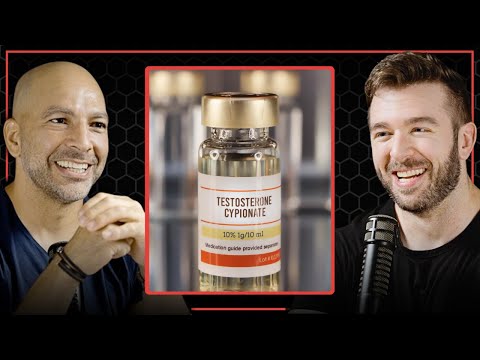
Testosterone is often called the “male hormone,” but it’s important to know that everyone has it in varying levels. As we age, testosterone levels can fluctuate, and some people might seek out solutions to boost their energy, mood, or muscle mass. One common option is testosterone injections. But is that the right choice for you?
Think of testosterone like fuel for a car; it helps your body run smoothly. When levels drop, you may notice signs like fatigue or mood changes. Testosterone injections can seem tempting as they promise quick results, but their effects can be complex and not universally beneficial.
Before considering testosterone injections, it’s crucial to inform yourself thoroughly. Speak with different specialists—like endocrinologists or urologists—and explore a variety of reputable sources. Each individual’s health journey is unique; what works for one may not work for another. Take your time to understand the potential benefits and risks fully before making any decisions about treatment.
The information provided in this article is intended solely for general informational and educational purposes. It does not constitute medical advice, diagnosis or professional treatment, and should not be considered a substitute for consultation with a qualified doctor or other licensed healthcare professional. Any health-related decisions should be made in consultation with accredited medical professionals.
While efforts have been made to ensure the information is accurate and up to date, no guarantees are given—either express or implied—regarding its accuracy, completeness, currency or suitability. Use of this information is at your own discretion.
It is strongly recommended to consult official sources such as the NHS (National Health Service) or other recognised medical institutions before acting on any information contained on this website or article. Under no circumstances should professional medical advice be ignored or delayed due to content read here.
This content is of a general and informational nature only. It is not intended to replace individualised guidance from a healthcare professional or to establish any doctor-patient relationship. The publication of this information does not imply any professional responsibility, guarantee or obligation on the part of the author or this site.
Exploring the Benefits and Risks Behind One of Today’s Most Controversial Treatments
Testosterone injections have become a hot topic for discussion lately. Many people are curious about their potential benefits and risks. Understanding these aspects is important for making informed health choices.
First, let’s talk about what testosterone is. Testosterone is a hormone that plays a key role in various bodily functions, including muscle mass, bone density, and even mood regulation. Levels of this hormone naturally decline with age, which can lead some individuals to seek treatment.
Benefits of testosterone injections may include:
Some people report feeling more youthful after starting testosterone therapy. This can lead to an improved quality of life, especially for those experiencing symptoms related to low testosterone levels.
However, it’s crucial to also understand the risks. Some potential side effects of testosterone injections are:
There has been ongoing debate regarding the long-term effects of testosterone therapy. Some studies suggest it may increase susceptibility to certain health issues, while others show minimal risks when monitored properly.
Before deciding on any treatment plan, consider these important factors:
Your individual health status: Always consult with a healthcare professional before starting any hormone therapy. They can provide personalized advice based on your overall health and history.
A holistic approach: Lifestyle changes such as exercise and diet can improve testosterone levels naturally. Sometimes these adjustments might be sufficient without resorting to injections.
The balance between benefits and risks: Weighing how you feel against potential side effects is vital. Everyone’s body reacts differently, so what works for one person might not work for another.
Education is key when exploring treatments like testosterone injections. Understanding both sides empowers you to make informed decisions about your health. Remember that no single treatment is right for everyone; being proactive and seeking correct information can help you navigate your options effectively.
Exploring the Signs and Questions to Consider Before Starting Treatment
Testosterone injections are a treatment option for individuals with low testosterone levels. However, before making a decision, it’s important to understand the signs that may indicate low testosterone and questions to consider.
Firstly, observe your body and emotions. Signs of low testosterone can include:
If you’re noticing these symptoms, it’s a good idea to discuss them with someone who can help.
Next, think about your health history. Have you had any medical issues like diabetes or obesity? These conditions can affect hormone levels. It’s crucial to consider how your overall health might play into this.
Also, be mindful of lifestyle factors. Are you under a lot of stress? Stress can impact hormonal balance as well. Ensuring you’re in a stable environment can be beneficial for your hormones.
Now, ponder these important questions before starting treatment:
These questions will help clarify if injections are the right path for you.
Remember that individual responses to treatments vary widely. Every person’s body reacts differently to medications based on many factors including age and overall health.
It’s also vital to weigh other options. Sometimes lifestyle changes like exercise and diet adjustments can also significantly improve hormone levels without requiring injections.
Finally, make sure to have open conversations with healthcare professionals about all these aspects. They can provide tailored information based on your unique situation and guide you through making informed decisions.
In conclusion, understanding the signs is just the first step. Thoroughly explore all aspects and collaborate with the appropriate people in your journey towards better health. Your well-being deserves thoughtful consideration at every turn.
Discovering the Signs that Indicate Testosterone Might Be Right for You
Testosterone is a hormone that plays a critical role in several bodily functions. It affects mood, energy levels, muscle mass, and libido. Many people wonder if testosterone injections might be the right choice for them. Recognizing the signs of low testosterone can help determine if this is worth exploring.
One common sign of low testosterone is persistent fatigue. If you find yourself feeling unusually tired despite getting enough sleep, it may be worth looking into. This feeling isn’t just laziness; it can impact your daily life.
Another potential indicator is a decrease in muscle mass or strength. If you’re working out regularly but not seeing results, low testosterone could be a factor. Think of your body as a car—without enough fuel (testosterone), it can’t perform at its best.
Mood changes can also indicate low testosterone levels. Feelings of sadness or irritability may seem unrelated, but they can stem from hormonal imbalances too. It’s important to listen to your emotions; they often tell us something about our physical state.
A diminished libido or sexual dysfunction is another crucial sign to consider. If you notice changes in your interest in sex or experience difficulties with erectile function, it might point to low testosterone levels.
Lastly, consider any unexplainable weight gain, especially around the belly area. Hormones play a significant role in metabolism and body composition. An imbalance here might lead to changes in weight that are hard to explain through diet and exercise alone.
If you notice one or more of these signs, it’s good to keep an open mind about discussing this with someone who can evaluate your situation further. Collecting data about how you feel—physically and emotionally—can provide helpful insights when making decisions about health options like testosterone injections.
Always remember that symptoms alone don’t confirm low testosterone levels; proper testing is necessary for an accurate diagnosis. Educating yourself on these signs promotes awareness and informed choices about your health journey which is essential for wellness.
Testosterone injections are increasingly discussed in both medical circles and among the public. They can be a solution for individuals experiencing low testosterone levels, often referred to as hypogonadism. However, the decision to start such therapy isn’t straightforward and requires careful consideration.
First, it’s important to understand what low testosterone might feel like. Symptoms can include fatigue, reduced libido, mood changes, and even difficulties with concentration. If you’re experiencing these issues, it’s wise to discuss them with a healthcare professional.
Testing is essential before jumping to conclusions about treatment. Blood tests that measure testosterone levels are crucial. Levels can vary throughout the day and may decrease as we age. An isolated low reading might not necessitate treatment.
If your healthcare provider suggests testosterone injections after thorough evaluation, consider the benefits and risks. Benefits could include improved energy levels and mood enhancement. However, risks may involve potential cardiovascular concerns or increased red blood cell counts.
Informed consent is vital; understanding how the treatment works and monitoring its effects is part of responsible healthcare management. Regular follow-ups will help ensure that any side effects are addressed promptly.
Think critically about alternative therapies as well. Lifestyle changes like exercise, healthy eating, or managing stress can also boost testosterone levels naturally without the need for injections.
Ultimately, testosterone therapy should not be seen as a quick fix but rather as one part of a broader health strategy tailored specifically for you. Engaging in thorough discussions with your healthcare provider will empower you to make informed decisions regarding your health journey.