Malaria is a disease that comes from tiny, unseen parasites. These little creatures make their way into our bodies through the bites of infected mosquitoes. If you’ve ever wondered how something so small can cause big health problems, you’re not alone. Understanding malaria is like piecing together a puzzle—each symptom and type reveals something crucial about this illness.
When we think of malaria, it’s common to picture fever, chills, or fatigue. But did you know that there are different types of malaria? Each type behaves a little differently and can affect people in unique ways. Learning about these variations helps us understand why some individuals may feel worse than others.
However, it’s essential to approach this topic carefully. Malaria isn’t just another common cold; it can be serious and requires professional medical attention. It’s best to consult various specialists and trustworthy resources for accurate information. Relying solely on one source may lead to misunderstandings or unverified remedies.
So, let’s embark on this journey together! By exploring the symptoms and types of malaria, you’ll gain invaluable knowledge that empowers you to make informed health decisions for yourself and your loved ones.
The information provided in this article is intended solely for general informational and educational purposes. It does not constitute medical advice, diagnosis or professional treatment, and should not be considered a substitute for consultation with a qualified doctor or other licensed healthcare professional. Any health-related decisions should be made in consultation with accredited medical professionals.
While efforts have been made to ensure the information is accurate and up to date, no guarantees are given—either express or implied—regarding its accuracy, completeness, currency or suitability. Use of this information is at your own discretion.
It is strongly recommended to consult official sources such as the NHS (National Health Service) or other recognised medical institutions before acting on any information contained on this website or article. Under no circumstances should professional medical advice be ignored or delayed due to content read here.
This content is of a general and informational nature only. It is not intended to replace individualised guidance from a healthcare professional or to establish any doctor-patient relationship. The publication of this information does not imply any professional responsibility, guarantee or obligation on the part of the author or this site.
Unraveling the Different Faces of this Life-Threatening Disease
Malaria is a serious disease caused by parasites that are transmitted through mosquito bites. It’s important to understand how it works to protect yourself and others.
There are several types of malaria, with the most common being caused by four species of Plasmodium parasites:
Each type can cause different symptoms and complications.
The symptoms of malaria can often resemble those of the flu. Common signs include:
Symptoms typically appear around 10-15 days after being bitten by an infected mosquito.
Malaria can be life-threatening, especially if it’s not treated quickly. The most dangerous form is caused by Plasmodium falciparum. It can lead to severe illness, affecting vital organs and causing complications like anemia or respiratory distress.
Understanding how malaria spreads is crucial for prevention. Mosquitoes breed in stagnant water, so reducing standing water around you can help lower the risk.
Also, consider using insect repellent and sleeping under bed nets treated with insecticide if you are in or traveling to areas where malaria is common.
It’s a common myth that malaria only occurs in certain regions, but cases have been reported worldwide. It’s vital to stay informed about travel risks and take appropriate precautions.
Education about this disease helps foster understanding and preventive measures in communities at risk. Knowing the symptoms, types, and prevention strategies enables informed health decisions for individuals and families alike.
If you suspect you have been exposed to malaria or show symptoms, seeking medical help promptly is essential. Knowledge truly empowers us in the fight against diseases like malaria.
Discover the Varied Faces of Malaria and Their Impact on Health
Malaria is a serious disease caused by parasites transmitted through mosquito bites. Understanding the different types of malaria is crucial for recognizing symptoms and impact on health.
There are five species of Plasmodium that cause malaria in humans:
Plasmodium falciparum is the most dangerous type, responsible for severe cases and high mortality rates. It can cause symptoms like high fever, chills, and body aches.
On the other hand, Plasmodium vivax and P. ovale, while less deadly, can still lead to complications. They often cause recurring symptoms because they can lie dormant in the liver.
The typical symptoms of malaria include:
Symptoms usually appear 10 to 15 days after being bitten. In some people, especially those with weakened immunity, these symptoms can escalate quickly.
However, it’s important to note that not all cases present in the same way. Some individuals may have mild infections with little to no symptoms but can still transmit the disease.
Malaria primarily affects tropical regions. When people travel or move without proper precautions, they risk spreading it further.
Efforts to combat this disease include vaccination programs and preventive measures like using bed nets and insect repellents. These strategies aim to reduce transmission and protect vulnerable populations.
Understanding these aspects of malaria helps prioritize health decisions both individually and collectively. Awareness leads to better prevention strategies and healthcare responses.
Critical thinking is essential. Misinformation about malaria exists; always seek reliable sources when learning about health issues. Empowering oneself with knowledge regarding diseases like malaria fosters responsible decision-making for personal health and community well-being.
A Clear Guide to Recognizing Malaria Symptoms Early On
Malaria is a serious disease caused by parasites transmitted through mosquito bites. Recognizing its symptoms early is crucial for effective treatment.
The symptoms of malaria can often mimic those of the flu or other illnesses. This can make it tricky to identify. Here’s a guide to help you spot them.
Fever is usually the first sign. It can be sudden and high, often reaching above 101°F (38.3°C).
You might also experience chills and sweating as your body reacts to the infection. Imagine feeling freezing cold one moment and drenched in sweat the next.
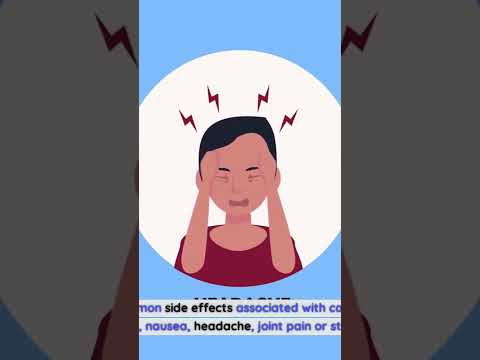
Headaches are common too. They can range from mild discomfort to severe pain.
Some people notice muscle aches. It’s like having sore muscles after a hard workout, but it’s constant and more intense.
Another symptom is feeling very tired or weak. Daily activities might feel exhausting, even if you haven’t done much.
Nausea and vomiting can occur as well. This makes eating challenging, which can impact your overall strength.
In some cases, people experience abdominal pain. It may feel like typical stomach discomfort but could be more intense.
If the infection worsens, additional symptoms may arise, including yellowing of the skin (jaundice) due to liver involvement.
Pay attention too if you notice a rapid breathing or increased heart rate. These signs indicate that your body is working hard against the infection.
It’s important to remember that not everyone will have all these symptoms. Some may even have very mild signs that go unnoticed.
If you’ve been in an area where malaria is common and start feeling ill, it’s vital to seek medical help promptly.
Early diagnosis and treatment are key to recovery from malaria. Don’t wait for symptoms to worsen; getting tested helps avoid complications down the line.
In summary:
Being informed helps you respond quickly if necessary. Stay alert if you’re traveling to areas where malaria exists!
Understanding malaria is crucial due to its significant impact on global public health. Malaria is caused by parasites transmitted through the bites of infected female Anopheles mosquitoes. Recognizing its symptoms and types can empower individuals to seek prompt treatment and prevent further transmission.
Essential symptoms include fever, chills, headache, and fatigue, which can mimic other illnesses. This similarity often leads to delays in diagnosis. Thus, awareness is vital; knowing these signs helps people act quickly.
Malaria exists in several forms based on the Plasmodium species involved. The most common types are Plasmodium falciparum and Plasmodium vivax. The former can cause severe illness if not treated timely, while the latter often leads to recurring symptoms.
Education about malaria should emphasize prevention strategies such as using insect repellent, sleeping under bed nets, and seeking medical advice when symptoms arise. By understanding this disease better, communities can work together to reduce its spread and protect vulnerable populations. Knowledge is a powerful tool in combating malaria effectively.