The information provided in this article is intended solely for general informational and educational purposes. It does not constitute medical advice, diagnosis or professional treatment, and should not be considered a substitute for consultation with a qualified doctor or other licensed healthcare professional. Any health-related decisions should be made in consultation with accredited medical professionals.
While efforts have been made to ensure the information is accurate and up to date, no guarantees are given—either express or implied—regarding its accuracy, completeness, currency or suitability. Use of this information is at your own discretion.
It is strongly recommended to consult official sources such as the NHS (National Health Service) or other recognised medical institutions before acting on any information contained on this website or article. Under no circumstances should professional medical advice be ignored or delayed due to content read here.
This content is of a general and informational nature only. It is not intended to replace individualised guidance from a healthcare professional or to establish any doctor-patient relationship. The publication of this information does not imply any professional responsibility, guarantee or obligation on the part of the author or this site.
Matcha vs. Green Tea: A Powerful Ally for Your Health?
Have you ever wondered if that trendy matcha latte is really better for you than a classic cup of green tea? You’re not alone. Many people find themselves curious about these two popular drinks and their potential health benefits.
Both matcha and green tea come from the same plant, Camellia sinensis, but there are some key differences. For instance, matcha is made from ground whole tea leaves, while green tea is brewed from steeped leaves. This little distinction has a big impact on their nutritional profiles.
The benefits of both beverages are often praised—antioxidants, improved focus, and even metabolism boosts. But what does this all mean for you? Are you making the best choice for your health? Honestly, it can be confusing.
This article will break down the differences between matcha and green tea so you can make an informed decision about what’s right for you. Just remember, while this info can be super helpful, it doesn’t substitute professional medical advice. Always consult with a healthcare professional before making changes to your routine.
Unveiling the Benefits: Which Brew Packs a Healthier Punch?
Understanding Matcha and Green Tea
Both matcha and green tea come from the same plant, Camellia sinensis. They’re both rich in antioxidants, which are compounds that help protect your cells from damage. But how they’re prepared changes their health impacts.
How They’re Made
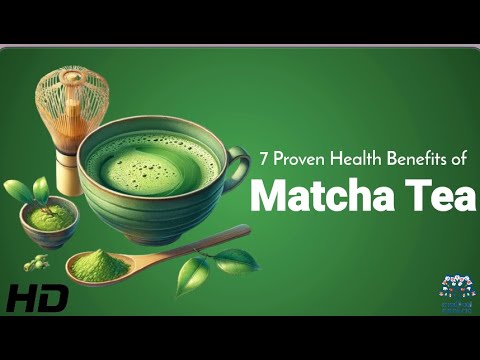
Green tea is made by steeping leaves in hot water. So, you get the benefits of the nutrients, but there’s a limit to how much you can extract. Matcha, on the other hand, involves grinding whole tea leaves into a fine powder. When you drink matcha, you’re consuming the entire leaf!
Caffeine Content
Caffeine levels play a role too. Matcha generally has more caffeine than regular green tea since it uses whole leaves. This means you might feel more alert after drinking it. However, the caffeine in both beverages can provide a gentle energy boost rather than an intense jolt.
The Antioxidant Advantage
One of the standout features of matcha is its high concentration of catechins, a type of antioxidant. In fact, matcha can have up to three times more catechins than regular green tea! These antioxidants might play roles in fighting inflammation and supporting overall health.
Taste Profiles
The flavors vary quite a bit as well. Green tea tends to have a light and sometimes grassy flavor but is pretty subtle overall; while matcha has this richer and creamier taste because of its preparation method.” If you’re looking for something different or want to experiment with flavors—matcha’s your guy!
Health Benefits Overview
- Matcha: Might offer better antioxidant protection due to higher catechin levels.
- Green Tea: Good choice for hydration and lower caffeine needs.
- Both: Can support heart health when consumed regularly.
Selecting Your Brew
If you’re wondering which one to choose, think about your personal goals or preferences. For example, if you’re on-the-go and want that extra energy boost without jitters—matcha could be more suitable for you.
A Final Note on Moderation
No matter which one you pick or if you enjoy both occasionally… moderation is key! Drinking either in excess may lead to unwanted side effects like insomnia or upset stomach issues due to caffeine content.” So enjoy them as part of a balanced diet!
Unveiling the Surprising Benefits of Nature’s Green Superfood
Matcha vs. Green Tea: A Powerful Ally for Your Health?
Hey there! Let’s talk about two popular green beverages: matcha and green tea. Both have their own unique benefits, and honestly, they’re both worth considering in your daily routine.
What’s the Difference?
You might be wondering why these two teas are often compared. Well, the main difference lies in how they’re processed. Green tea is made by steeping leaves in hot water, which means you’re drinking an infusion of flavors and nutrients.
On the other hand, matcha is made from finely ground whole tea leaves. This means when you drink matcha, you’re consuming the entire leaf—not just an infusion. Think of it like eating a fruit rather than just drinking its juice.
Nutrients Galore
Both teas are packed with antioxidants called catechins. These little guys can help combat free radicals—unstable molecules that can cause damage to your cells over time.
However, matcha contains higher levels of catechins because you’re ingesting the whole leaf. Some studies suggest that matcha could have up to three times more antioxidants compared to regular green tea.
Caffeine Kick
If you need a boost during your day, both teas provide caffeine but in different amounts. Green tea typically has less caffeine than matcha—about 30-50 mg per cup versus 70 mg or more for a serving of matcha.
This caffeine boost can help improve focus and alertness without the jitters some people experience with coffee. It’s a gentler lift if you know what I mean!
A Calming Effect
You might be surprised to learn that despite having caffeine, matcha can promote relaxation too. It has an amino acid called L-theanine that helps calm the mind while enhancing concentration.
This creates a sort of soothing alertness—think about it as being awake yet calm at the same time! That’s pretty neat if you’re looking for balance during hectic moments.
Weight Management
Some folks turn to these green beverages hoping they can aid weight management efforts. Studies indicate that catechins in both teas may help support metabolism—an important factor in how our body utilizes energy from food.
But remember: Drinking tea alone won’t magically lead to weight loss; it’s all part of a bigger picture that includes diet and exercise.
A Delicious Addition
If you want to give either drink a try, there are plenty of ways you can enjoy them! You could brew green tea traditionally or whisk up some frothy matcha lattes with milk or plant-based alternatives for something different.
- Add honey or agave syrup for sweetness if you’d like!
- You could even incorporate them into smoothies or baked goods!
The Bottom Line
Ultimately, whether you choose matcha or green tea depends on what you’re after! Both options offer impressive health benefits when enjoyed as part of a balanced lifestyle.
If you’re curious about adding them into your routine, start small and see what resonates with you.
Always keep listening to your body’s needs as well!
Exploring the Hidden Risks of Your Favorite Green Tea Trend
Understanding Matcha and Green Tea
Hey, so let’s dive into the topic of matcha and green tea. Both are derived from the same plant, Camellia sinensis, but they have different growing and processing methods. Green tea leaves are usually steamed or pan-fired, while matcha is made from shade-grown leaves that are ground into a fine powder.
The Antioxidant Boost
Both types contain antioxidants, which are compounds that fight free radicals—those pesky molecules responsible for cell damage. Matcha often claims to have higher antioxidant levels because you’re consuming the whole leaf in powdered form. Sounds impressive, right? But here’s the catch: Are all those antioxidants equally effective in your body?
Caffeine Levels
Caffeine is another key component. Matcha contains more caffeine than regular green tea because you’re ingesting more of the leaf. So if you’re sensitive to caffeine, this could be a point of concern for you. It’s like having an espresso shot instead of just a regular coffee.
The Hidden Risks
Now, let’s not ignore potential risks associated with these drinks. Some matcha products can be high in lead or other contaminants due to where they’re grown. If you’re sipping on something that doesn’t meet safety standards, it could negate those health benefits.
Cost Considerations
Matcha can be pricy compared to green tea. Higher quality matcha comes with a higher price tag often tied to its cultivation process and flavor profile. It can feel like you’re investing in health but keep an eye on your budget too!
How You Consume It Matters
The way you prepare your drink can also impact how beneficial it is for your health. Adding milk or sweeteners might mask some flavors but could dilute some benefits as well. Think about what you’re mixing in there!
A Personal Choice
Your choice between matcha and green tea should depend on your lifestyle and preferences. If you enjoy the ritual of preparing matcha, great! If you prefer simply steeping some green tea leaves while relaxing—also great! The most important thing is finding what works for you.
Sourcing Quality Products
- Look for reputable brands when buying either beverage.
- Check if they provide information about testing their products for contaminants.
- If unsure about what’s best, consider blending both into your diet!
Ultimately, both drinks can offer health benefits if consumed mindfully and sourced wisely! Enjoy them as part of a balanced diet rather than viewing them as miracle solutions.
Matcha vs. Green Tea: A Powerful Ally for Your Health?
Both matcha and green tea are celebrated for their health benefits, but they’re not quite the same thing. Matcha is a type of powdered green tea that comes from specially grown tea leaves. The process involves shading the plants before harvest, which boosts chlorophyll and other nutrients. This results in a vibrant green pigment and a unique flavor profile.
Green tea, on the other hand, is made from leaves that are quickly steamed or pan-fried to prevent oxidation. While both beverages contain antioxidants and compounds that promote wellness, matcha may offer higher concentrations because you consume the whole leaf in powdered form.
Nutritional Benefits
The powerhouse here is catechins, a type of antioxidant found in both teas. They help combat free radicals—those pesky molecules that can damage cells and contribute to chronic diseases. Matcha typically has more catechins than standard green tea since you’re ingesting the leaf itself instead of just steeping it.
Caffeine Content
If you’re looking for a caffeine boost without jitters, matcha might be your friend. It contains about half the caffeine of coffee but delivers it slowly thanks to an amino acid called L-theanine. This helps with focus and relaxation at the same time.
Preparation
Making matcha can be a bit of an art form compared to brewing green tea. You’ll whisk it into hot water until it’s frothy, which some find fun! Green tea generally just needs to be steeped for a few minutes in hot water.
Cost Considerations
Sometimes you’ll notice that matcha is pricier than standard green tea due to its growing process and labor intensity. So if budget is a concern, think about how often you’ll drink it versus regular green tea.
The choice really boils down to personal preference, lifestyle, and health goals. Both can fit into a healthy diet nicely; just pay attention to how your body reacts to different kinds of teas.
If you enjoy trying new flavors or want higher concentrations of certain nutrients—like catechins—matcha could be worth exploring further! On the flip side, if you prefer simplicity or have budget constraints, traditional green tea still offers loads of benefits!