The information provided in this article is intended solely for general informational and educational purposes. It does not constitute medical advice, diagnosis or professional treatment, and should not be considered a substitute for consultation with a qualified doctor or other licensed healthcare professional. Any health-related decisions should be made in consultation with accredited medical professionals.
While efforts have been made to ensure the information is accurate and up to date, no guarantees are given—either express or implied—regarding its accuracy, completeness, currency or suitability. Use of this information is at your own discretion.
It is strongly recommended to consult official sources such as the NHS (National Health Service) or other recognised medical institutions before acting on any information contained on this website or article. Under no circumstances should professional medical advice be ignored or delayed due to content read here.
This content is of a general and informational nature only. It is not intended to replace individualised guidance from a healthcare professional or to establish any doctor-patient relationship. The publication of this information does not imply any professional responsibility, guarantee or obligation on the part of the author or this site.
Have you ever dealt with a nagging toothache or sore gums? It can really put a damper on your day. Honestly, oral pain can be both distracting and frustrating. In moments like these, many people reach for products like Anbesol Gel to get some relief.
This gel is designed to numb painful areas inside your mouth, helping you feel better—fast. But, while it’s popular for that quick fix, it’s crucial to know what you’re using. There are benefits but also risks that come along with this topical remedy.
In this article, we’ll dive into how Anbesol Gel works, what ingredients are in it, and the potential side effects you should be aware of. This information matters because understanding what goes into our bodies is key to making informed choices.
Remember, though: this content doesn’t replace medical advice. Health decisions shouldn’t be made based solely on what you read here; consulting a healthcare professional is always essential.
Understanding the Risks and Benefits of Oral Pain Relief
Understanding Oral Pain Relief
Oral pain can be really uncomfortable. It might come from toothaches, sores, or gum issues. When we look for relief, many options pop up, like gels and over-the-counter medicines. Anbesol Gel is one popular choice. Let’s talk about how it works and what to keep in mind.
What is Anbesol Gel?
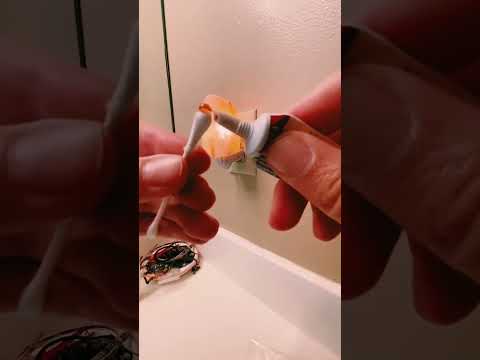
Anbesol Gel contains a numbing agent called benzocaine. This numbing effect helps dull the pain in your mouth. Think of it like putting ice on a bruise—it doesn’t fix the problem, but it can make you feel better temporarily.
Benefits of Using Anbesol Gel
- Pain relief: The main benefit is quick relief from oral pain.
- Easy application: You just apply a small amount directly to the sore area.
- Over-the-counter: It’s usually easy to find at drugstores without needing a prescription.
Risks Involved
You should also think about some risks that come with using Anbesol Gel. One concern is allergic reactions—some people might be hypersensitive to benzocaine. If you notice itching or swelling after applying it, that’s a sign to stop using it and check with someone who knows more about this stuff.
A bigger risk with benzocaine products relates to methemoglobinemia. Sounds complicated, right? In simpler terms, this condition reduces your blood’s ability to carry oxygen effectively—which isn’t what we want! Though it’s rare, it’s something people should be aware of, especially if using these products frequently or for kids.
Tips for Use
- Follow directions: Always read the label carefully for dosing instructions.
- Avoid overuse: Using too much can lead to more risks than benefits.
- Your health matters: If pain persists for more than a few days or worsens, seeking advice is smart.
A Balanced Approach
The key takeaway here might be balance—using Anbesol Gel can provide temporary comfort but keeps potential risks in mind too. It’s all about finding what works best for you while staying informed and cautious!
If you’re exploring options beyond gels and creams—like rinses or different medications—it may help chat with someone knowledgeable about oral health first!
Unpacking the Safety Myths and Facts Behind Oral Pain Relief Gel
Understanding Oral Pain Relief Gels
Oral pain relief gels, like Anbesol, are often used for teething babies, canker sores, or even cold sores. So, what’s in these gels? They’re typically made with ingredients that numb the area to reduce pain.
The Common Ingredients
Most gels contain benzocaine. Benzocaine is a local anesthetic. It works by blocking nerve signals in your body. Kind of like how a traffic jam stops cars from moving—they just stay still!
Another ingredient you might see is menthol. This gives a cooling sensation and can help relieve discomfort too. Imagine applying an ice pack—menthol does something similar but without the mess.
The Myths About Safety
There’s been some chatter about safety concerns surrounding these gels. Some people worry about things like allergic reactions or toxicity if too much is used.
A common myth is that these gels are completely danger-free because they’re available over the counter. Just cause it’s easy to grab doesn’t mean it can’t have side effects.
Potential Risks
For example, benzocaine has been associated with Methemoglobinemia—a rare condition where blood can’t carry oxygen effectively. But don’t freak out! This condition is quite rare and usually occurs with excessive use.
Also, when using these products on children, moderation is key! It’s important to follow dosing instructions carefully to avoid any issues.
When to Use Caution
If you’re already using other medications or have certain health conditions, it’s especially important to check what you’re putting into your body.
If you notice irritation or unusual symptoms after use, that’s your body’s way of saying something’s off. In such cases, stopping usage and seeking advice from a healthcare provider would be wise.
Other Alternatives
If you’re still hesitant about oral pain relief gels, there are other options out there! Saltwater rinses can help soothe irritation. Or maybe over-the-counter pain relievers could do the trick for you—just make sure you follow the instructions!
Final Thoughts on Oral Pain Relief Gels
You know how it goes; some products work great for one person and not so much for another. Understanding what goes into oral pain relief gels helps demystify their use and risks a bit more.
- Always read labels carefully.
- Use as directed—don’t go overboard!
- If unsure about safety or dosage, talk it out with someone knowledgeable before trying it out.
Uncovering the Hidden Risks of Anbesol Teething Gel for Your Little One
Understanding Anbesol Teething Gel
Anbesol teething gel is often used to help soothe the pain associated with teething in babies. It contains ingredients that temporarily numb the gums, providing relief when your little one is feeling discomfort. But, it’s important to know about its risks too.
What’s in Anbesol Teething Gel?
The main ingredient in Anbesol is benzocaine. This numbing agent works by blocking nerve signals in the mouth, which helps reduce pain. You know, kind of like how ice can numb a bruise on your arm—but it’s a bit more complicated.
Possible Risks
While many parents find it effective, there are hidden risks that shouldn’t be overlooked. For example, benzocaine can sometimes cause a serious condition called methemoglobinemia. This sounds scary but is essentially when the blood can’t carry oxygen properly.
Signs of Methemoglobinemia
If you notice your child has a grayish color to their lips or skin, or if they seem unusually tired or have trouble breathing after using Anbesol, you should seek help right away. Those symptoms indicates something’s off.
Age Considerations
Anbesol isn’t usually recommended for children under two years old. For younger kids or infants, there are safer alternatives out there that don’t carry the same risks associated with benzocaine.
Avoiding Overuse
It’s also essential not to overuse it. Parents might think more gel equals more relief, but that’s not how it works and could potentially lead to more problems than benefits.
Consulting Healthcare Providers
If you’re unsure about using Anbesol or have questions about teething pain management for your little one, consider talking with a healthcare professional. They can help guide you toward safe methods based on your child’s unique needs.
Natural Alternatives
Sometimes simple remedies like chilled teething rings or soft foods can be great ways to ease discomfort without any medication at all! Plus they can be comforting for babies chewing through those tough times.
Your Role as a Parent
You know your child better than anyone else. Trust your instincts and keep an eye out for their response after applying any product like Anbesol. If something feels off, don’t hesitate to reach out for guidance.
The Bottom Line
Anbesol teething gel may provide temporary relief from oral pain during teething phases but understanding its risks is crucial too. With careful consideration and proper information at hand—parents can make informed choices that keep their little ones safe and happy while dealing with those pesky little teeth coming in!
Anbesol Gel: Effective Relief for Oral Pain and Its Risks
Anbesol Gel is a topical analgesic used to relieve oral pain, particularly from canker sores, teething, and minor mouth irritations. It’s convenient to use and provides quick relief, which is why many people turn to it when they’re struggling with oral discomfort.
The active ingredients in Anbesol typically include benzocaine, which numbs the area temporarily. This can be a lifesaver during tough moments, like when a child is teething or if you suddenly get a painful ulcer. However, using it too often or in excessive amounts can lead to some risks.
One of the concerns with benzocaine is that it can cause methemoglobinemia, a rare but serious condition that reduces the blood’s ability to carry oxygen. This risk underscores the importance of using Anbesol as directed on the packaging and not exceeding suggested dosages.
Sometimes people assume that because something is available over-the-counter, it’s completely safe for everyone. But that’s not always the case. For example, babies under two years old should generally avoid products containing benzocaine unless advised by a healthcare professional.
Additionally, some individuals may experience allergic reactions like oral or skin irritation. If any unusual symptoms occur after using Anbesol Gel, it might be wise to stop using it and consult with a healthcare provider.
In light of these risks and benefits, communication about proper usage becomes vital. People often overlook how even familiar remedies can have hidden dangers if not used correctly. So it’s crucial to educate yourself on both what works—and what doesn’t—when seeking relief from oral pain.