Androgyny is a fascinating concept that blends male and female characteristics, challenging the traditional definitions of gender. Imagine it as a spectrum rather than two fixed points, where individuals can embody traits typically associated with both men and women. This blending can manifest in our appearance, behavior, and even how we interact with the world around us.
Throughout history, androgyny has taken on various meanings. In ancient cultures, it was often celebrated as a symbol of balance. However, in more modern contexts, it can carry stigma and confusion. People may find themselves pigeonholed or misunderstood based on their presentation or identity. This complex narrative invites curiosity—it encourages us to explore how societal views shape our understanding of gender.
Unfortunately, misinformation about androgyny persists. Some may view it through a narrow lens shaped by stereotypes or outdated beliefs. It’s important to approach this topic with openness and empathy while seeking knowledge from diverse sources.
Warning: The discourse around androgyny is multifaceted, so it’s crucial to educate yourself through reputable specialists and varied media. Engaging with different perspectives can deepen your understanding while helping dispel myths that might cloud your judgment. Embrace the journey of learning—it’s the key to fostering acceptance and compassion in our society.
The information provided in this article is intended solely for general informational and educational purposes. It does not constitute medical advice, diagnosis or professional treatment, and should not be considered a substitute for consultation with a qualified doctor or other licensed healthcare professional. Any health-related decisions should be made in consultation with accredited medical professionals.
While efforts have been made to ensure the information is accurate and up to date, no guarantees are given—either express or implied—regarding its accuracy, completeness, currency or suitability. Use of this information is at your own discretion.
It is strongly recommended to consult official sources such as the NHS (National Health Service) or other recognised medical institutions before acting on any information contained on this website or article. Under no circumstances should professional medical advice be ignored or delayed due to content read here.
This content is of a general and informational nature only. It is not intended to replace individualised guidance from a healthcare professional or to establish any doctor-patient relationship. The publication of this information does not imply any professional responsibility, guarantee or obligation on the part of the author or this site.
Unpacking the Layers of Gender Fluidity and Expression
Gender fluidity and expression are important concepts in understanding how people relate to their gender identity. Unlike the traditional view of gender as a binary—male or female—gender fluidity embraces a spectrum. This means that a person might identify with different genders at different times.
Gender fluidity is about flexibility in one’s gender identity. Someone who is gender fluid might feel more masculine some days and more feminine on others. It’s like choosing different outfits depending on your mood.
Androgyny refers to blending both masculine and feminine traits. Think of it as wearing a suit with sneakers instead of formal shoes, mixing styles that don’t typically go together. Androgyny challenges societal norms about how men and women should present themselves.
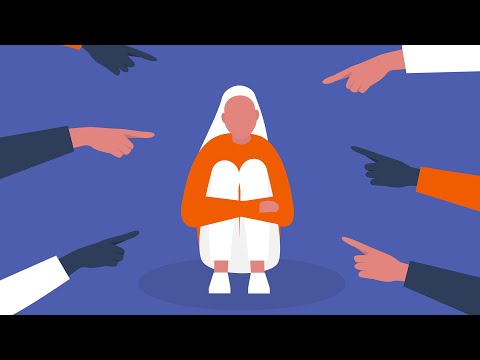
Stigma surrounds non-binary identities, including gender fluidity and androgyny. Many face misunderstanding or prejudice because they don’t fit neatly into traditional categories. This stigma can lead to feelings of isolation or anxiety.
It’s helpful to remember that everyone’s experience with gender is unique. What feels right for one person may not resonate with another, even within the same community.
Society is slowly evolving towards greater acceptance of diverse identities. However, there’s still work to be done in fostering understanding and compassion.
Education plays a key role here—just as learning about cultural differences broadens perspective, so does learning about gender diversity.
So next time you encounter someone whose expression challenges your perceptions, approach it with curiosity rather than judgment.
Understanding these layers of gender fluidity helps us create a more inclusive world where everyone feels seen and accepted for who they truly are. It encourages dialogues that shift away from stereotypes and embrace authentic identities.
Encouraging open conversations can pave the way for deeper awareness while combating stigma surrounding all forms of expression.
Exploring the Blending of Gender Identity and Expression
Exploring gender identity and expression can be a fascinating journey. It reflects our understanding of who we are and how we express ourselves.
Gender identity is about how individuals perceive themselves in terms of gender. This can align with the sex they were assigned at birth, or not. On the other hand, gender expression refers to how people display their gender through actions, clothing, and behavior.
Androgyny is a concept that blends both male and female traits. Think of it like mixing colors on a palette to create new shades. Androgynous individuals often embody characteristics that don’t fit into traditional gender norms.
The history of androgyny stretches back centuries. In many cultures, it has appeared in art, fashion, and even literature as a way to challenge societal expectations. Many famous figures have embraced androgyny—blurring the lines between masculinity and femininity.
However, stigma still surrounds this topic today. Some people may struggle to understand or accept those who express their gender in non-traditional ways. This can lead to discrimination or social rejection.
It’s important to recognize these feelings have deep roots in personal experiences and cultural beliefs. Everyone deserves respect regardless of how they identify or express themselves.
Embracing diversity in gender identity encourages acceptance within society as a whole. Understanding these concepts helps us foster empathy toward others’ experiences.
By exploring the blending of gender identity and expression, we contribute to creating an inclusive environment for everyone. Let’s keep the conversation going—each voice matters!
Exploring Gender Fluidity Through the Ages
Gender fluidity is a concept that’s gaining more attention today. It refers to a person’s experience of gender as being flexible rather than fixed. This means someone might identify as a mix of male and female, neither, or switch between genders at different times.
Historically, gender fluidity isn’t a new idea. Many cultures have recognized non-binary identities for centuries. For example, some Indigenous tribes in North America have long acknowledged Two-Spirit people who embody both masculine and feminine qualities.
In ancient societies, like those in Egypt and Greece, androgyny was sometimes celebrated. Deities were often depicted with both masculine and feminine traits. This shows that the blending of genders was understood and accepted in various ways.
However, the perception of gender has fluctuated over time. During the Victorian era, strict gender roles emerged. Characteristics associated with femininity or masculinity were rigidly defined. As a result, anyone who didn’t fit these molds faced stigma and discrimination.
Today, many people are challenging these outdated beliefs about gender. Social media has played a big role in this shift by allowing individuals to share their experiences and stories openly.
Understanding androgyny can help demystify gender fluidity. Androgyny is the combination of both male and female characteristics in appearance or identity. Think of it like mixing paint colors; when you combine blue (traditionally male) with pink (traditionally female), you can create new shades that reflect unique identities.
Despite growing awareness, there’s still stigma around non-binary identities. Some may see them as confusing or threatening to traditional views on gender. It’s important to approach this topic with curiosity rather than judgment.
Understanding someone’s experience with their own gender is crucial for empathy and respect. Everyone’s journey is personal; what feels right for one person may differ greatly from another.
If you’re exploring your own feelings about gender fluidity or know someone who is, remember that communication is key. Listening without imposing judgments creates a supportive environment for sharing personal truths.
In summary:
Ultimately, embracing diverse expressions of gender can lead to richer understandings of humanity as a whole.
Androgyny, the blending of traditionally defined gender traits, presents a fascinating and complex topic. It challenges societal norms by transcending binary notions of gender. Historically, androgyny has been both celebrated and stigmatized, reflecting changing cultural attitudes toward gender expression.
Understanding androgyny involves examining its roots in various cultures where gender fluidity has long existed. In some societies, androgynous figures were revered for their unique roles and perspectives. However, as Western culture took a more rigid stance on gender classification, these individuals often faced discrimination.
The stigma surrounding androgyny continues to impact those who identify or express themselves in non-binary ways. It can lead to feelings of isolation and misunderstanding. As we discuss this topic today, it’s essential to foster an environment that encourages open dialogue about gender identity while emphasizing respect for all expressions.
Promoting awareness can help dismantle stereotypes linked to androgyny. It’s crucial to recognize that embracing diversity enriches our communities rather than threatens them. By understanding the historical context of androgyny, we can better support individuals in navigating their identities with confidence. Ultimately, acceptance begins with informed conversations that affirm every person’s right to express their true selves without fear of judgment or stigma.