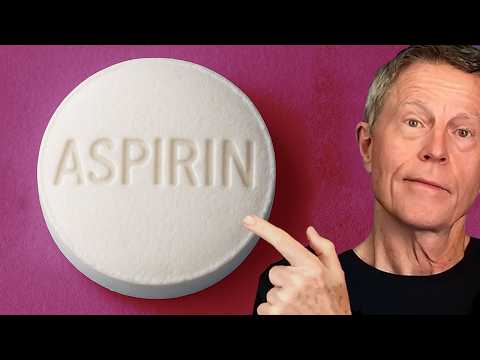
Aspirin is one of the most well-known medications around. It’s a small, simple white tablet that many people reach for when they have a headache or fever. However, its benefits extend far beyond just temporary relief. Aspirin can help reduce inflammation, lower the risk of heart attacks, and even help with certain chronic conditions.
But before you pop that pill, it’s crucial to understand both the benefits and risks associated with aspirin use. While it can be your ally in health management, it also comes with potential side effects and interactions with other medications that can complicate things.
As you explore this topic further, remember that everyone’s health journey is unique. Factors such as your medical history and current medications can significantly influence how aspirin affects you. Always consult various trusted sources or specialists to gather comprehensive information.
WARNING: Taking aspirin isn’t without its pitfalls. Improper use can lead to gastrointestinal issues or bleeding disorders among other complications. Understanding your own health needs is vital; don’t hesitate to consult a healthcare professional before starting any medication regimen. Stay informed and make choices that best support your well-being!
The information provided in this article is intended solely for general informational and educational purposes. It does not constitute medical advice, diagnosis or professional treatment, and should not be considered a substitute for consultation with a qualified doctor or other licensed healthcare professional. Any health-related decisions should be made in consultation with accredited medical professionals.
While efforts have been made to ensure the information is accurate and up to date, no guarantees are given—either express or implied—regarding its accuracy, completeness, currency or suitability. Use of this information is at your own discretion.
It is strongly recommended to consult official sources such as the NHS (National Health Service) or other recognised medical institutions before acting on any information contained on this website or article. Under no circumstances should professional medical advice be ignored or delayed due to content read here.
This content is of a general and informational nature only. It is not intended to replace individualised guidance from a healthcare professional or to establish any doctor-patient relationship. The publication of this information does not imply any professional responsibility, guarantee or obligation on the part of the author or this site.
Unlocking the Everyday Advantages of a Common Medicine
Aspirin is one of the most commonly used over-the-counter medicines. Many people take it regularly, often without fully understanding its benefits and risks. Let’s take a closer look at what aspirin can do.
What is Aspirin?
Aspirin, or acetylsalicylic acid, is a medication that helps relieve pain, reduce inflammation, and lower fever. It’s been around for more than a century!
Everyday Benefits:
Many use aspirin for headaches or muscle aches. It can also be used for conditions like arthritis. Some studies suggest that regular low-dose aspirin may help prevent heart attacks and strokes in certain individuals.
Here are some benefits:
Risks to Consider:
While aspirin can be helpful, it’s not without risks. Some people may experience side effects like stomach upset or ulcers due to its effect on the stomach lining.
It’s important to be aware of potential bleeding risks as well. This is especially true for those who are older or taking other medications that affect blood clotting.
Aspirin Interactions:
Aspirin may interact with other medications you’re taking. For example, if you use blood thinners or certain anti-inflammatory drugs, combining them with aspirin could increase bleeding risk.
Always talk to a healthcare provider if you’re unsure about taking it with other medications.
Common Myths:
There are several myths surrounding aspirin use.
Some people think it’s safe for everyone to use regularly; this isn’t true! Not everyone should take aspirin daily unless advised by a professional.
Others believe it’s always the best choice for pain relief. In some cases, alternatives like acetaminophen may be more suitable.
The Wrap-Up:
In summary, while aspirin can offer relief and has certain cardiovascular benefits, it’s essential to weigh its advantages against possible risks.
Consider your personal health situation before starting any new medication routine. Understanding both sides will help you make informed decisions about your health and well-being!
Understanding How Aspirin Interacts with Other Medications and What It Means for You
Aspirin is a common medication known mostly for its pain-relief properties. However, its effects go beyond just alleviating discomfort. Understanding how aspirin interacts with other medications is crucial for your safety and health.
Aspirin’s primary functions include reducing inflammation, easing pain, and lowering fever. It also plays a role in preventing blood clots, which can help in conditions like heart disease.
When taking multiple medications, one must be cautious. Drug interactions can change how each medication works or increase the risk of side effects. Here are some key points to consider:
When you are prescribed or decide to take aspirin, always inform your healthcare provider about all other medications you’re using. This includes over-the-counter drugs and supplements.
The timing of doses matters too. Taking aspirin at the same time as certain medications may not be ideal due to interaction potential.
Sometimes people think that all “natural” products are safe. But herbs like ginkgo biloba can also interact with aspirin by increasing bleeding risks.
It’s essential to understand that each person’s body responds differently to medications. What works for one individual might not work for another.
Never stop or change your medication regimen without talking to someone who understands your health needs well.
In summary, while aspirin has many benefits, it is vital to use it wisely and cautiously alongside other treatments. Stay informed and proactive about your health choices!
Uncovering the Hidden Dangers of Everyday Pain Relief
Many people reach for pain relief when they have a headache, muscle ache, or other discomforts. One common choice is aspirin. But it’s important to know what’s really going on with this medication.
Aspirin is part of a group of drugs called nonsteroidal anti-inflammatory drugs (NSAIDs). It’s useful because it can reduce pain and inflammation. However, just like any tool, it has its risks.
Here are some hidden dangers associated with aspirin:
Now let’s talk about its benefits alongside these risks. Aspirin is effective for pain relief and reducing fever. It also has cardiovascular benefits when taken in low doses regularly.
However, it’s crucial to think critically about your needs when considering aspirin. Just because something is available over-the-counter doesn’t mean it’s completely harmless.
For those who find themselves relying on aspirin often, exploring alternative pain relief options might be worth considering—like physical therapy or lifestyle changes.
Remember that everyone’s body reacts differently to medications. If you’re unsure about using aspirin or if you should combine it with another treatment, consulting a healthcare provider would be wise.
Informed decisions can go a long way in managing health safely and effectively. Always keep your body’s unique situation in mind as you navigate pain relief options!
Aspirin is a widely used medication known for its anti-inflammatory, analgesic, and antipyretic properties. It is often recommended for pain relief and reducing fever. More importantly, it plays a crucial role in heart health. Low-dose aspirin therapy is frequently prescribed to lower the risk of heart attacks and strokes by preventing blood clots.
However, like any medication, aspirin comes with potential risks. Some common side effects include gastrointestinal issues such as upset stomach or ulcers. In rare cases, it can lead to bleeding problems, especially in individuals who have certain medical conditions or take other blood-thinning medications.
Interactions are an important consideration. Aspirin may interact with non-steroidal anti-inflammatory drugs (NSAIDs), blood thinners (like warfarin), and other medications that can affect bleeding risk. Consulting a healthcare provider before starting aspirin is essential to avoid these interactions.
Understanding the benefits and drawbacks of aspirin empowers informed decisions about its use. It is critical to weigh the potential advantages for heart health against possible risks for each individual’s unique health situation. Regular follow-ups with a healthcare provider can ensure that using aspirin remains a safe and effective choice tailored to one’s health needs.
In summary:
By fostering open communication between patients and providers, we can maximize the benefits of aspirin while minimizing risks, leading to better overall health outcomes.