Baclofen is a medication that can help manage muscle spasms and spasticity, often seen in conditions like multiple sclerosis or following a stroke. Think of it as a gentle brake for your muscles, providing relief by calming overactive nerve signals. When taken orally, it can help improve mobility and comfort for those who need it most.
However, like any medication, Baclofen isn’t without its complexities. It comes with potential side effects—some mild, like drowsiness or dizziness, and some that could require immediate attention. Understanding how Baclofen interacts with other drugs is also crucial to avoiding unwanted surprises.
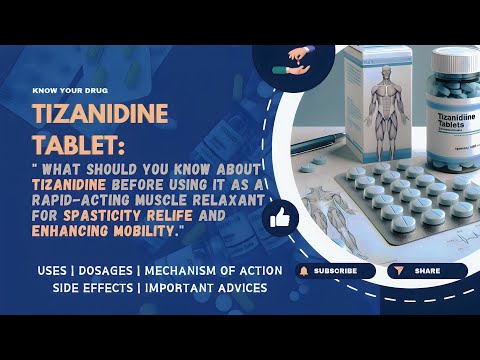
You might find images of Baclofen to familiarize yourself with the pill’s appearance—but remember: visuals alone do not provide enough context. It’s important to gather information from multiple reliable sources and consult different specialists if you or someone you care about is considering this medication.
Here’s the key takeaway: always prioritize informed decisions about your health. Don’t rely solely on one source; explore various perspectives and insights to understand Baclofen fully. This way, you can make choices that best suit your health needs and well-being.
The information provided in this article is intended solely for general informational and educational purposes. It does not constitute medical advice, diagnosis or professional treatment, and should not be considered a substitute for consultation with a qualified doctor or other licensed healthcare professional. Any health-related decisions should be made in consultation with accredited medical professionals.
While efforts have been made to ensure the information is accurate and up to date, no guarantees are given—either express or implied—regarding its accuracy, completeness, currency or suitability. Use of this information is at your own discretion.
It is strongly recommended to consult official sources such as the NHS (National Health Service) or other recognised medical institutions before acting on any information contained on this website or article. Under no circumstances should professional medical advice be ignored or delayed due to content read here.
This content is of a general and informational nature only. It is not intended to replace individualised guidance from a healthcare professional or to establish any doctor-patient relationship. The publication of this information does not imply any professional responsibility, guarantee or obligation on the part of the author or this site.
Exploring the Effects and Connections of Baclofen in Your Body
Baclofen is a medication often used to help manage muscle spasticity. This is when muscles become stiff and hard to control, often seen in conditions like multiple sclerosis or spinal cord injuries.
It works by acting on the brain and spinal cord. Specifically, Baclofen targets receptors for a neurotransmitter called gamma-aminobutyric acid (GABA). Think of GABA as a “brake” for your nervous system. By enhancing its effects, Baclofen helps to relax the muscles.
You may wonder how Baclofen feels in the body. For many, it can lead to decreased muscle tone and improved mobility. However, while it can be helpful, it doesn’t come without side effects.
Common side effects include drowsiness, dizziness, or fatigue. Just imagine how you might feel after a long day—sometimes you just want to rest! But these feelings can affect daily activities.
Then there are more serious side effects like confusion or difficulty breathing. If you notice these symptoms, it’s important to reach out for help quickly.
When taking Baclofen, there are also potential interactions with other medications. Mixing certain pain relievers or sedatives with Baclofen can intensify drowsiness and increase risks. Always tell your healthcare provider about everything you take.
It’s natural to have questions about how this medication might work for you or someone you care about. Each person’s body responds differently based on factors like age, weight, and overall health.
Some people think that since Baclofen helps with muscle tightness, it could be useful for other issues too—even for anxiety or chronic pain! However, using it in ways not prescribed isn’t advised as it may lead to unexpected problems.
Also interesting is the fact that stopping Baclofen suddenly may cause withdrawal symptoms like seizures in some individuals. It’s crucial to talk about any changes in your routine with a healthcare provider before making adjustments.
In summary:
Understanding medications like Baclofen allows us to make informed decisions about our health. Always prioritize open communication with healthcare professionals regarding treatments and experiences.
Uncovering the Unexpected: The Key Side Effect of Baclofen You Should Know About
Baclofen is a medication often used to help manage muscle spasms and spasticity, especially in conditions like multiple sclerosis. It works by relaxing the muscles and is usually taken orally. While many people benefit from it, there’s an important side effect that deserves attention: sedation.
Sedation means feeling unusually sleepy or drowsy. For some people taking baclofen, this can be a surprising experience. Think of it like taking a mild sedative; your body might feel relaxed but also sluggish.
What makes this side effect tricky is that not everyone experiences it. Some may feel energetic while others struggle with fatigue. This variability can make it hard for someone to predict their reaction.
Another key point is that mixing baclofen with alcohol or other sedatives can enhance this drowsiness. It’s similar to adding more weight to a scale; just as extra pounds increase the total, combining certain substances can amplify effects on your body.
Always communicate any concerning side effects with your healthcare provider. They can help adjust dosages or find alternative medications if necessary.
Additionally, keep in mind that while sedation is one side effect, other side effects might include dizziness and nausea—these too should not be ignored.
In conclusion, baclofen has its benefits but being aware of potential sedation helps you make informed choices about using it responsibly. Understanding how it affects you personally allows for better management of both the medication and your daily life. Always prioritize open discussions about medications with trusted health advisors for tailored advice based on personal circumstances.
Unraveling the Role of Baclofen in Muscle Relaxation and Pain Relief
Baclofen is a medication commonly used to relieve muscle spasticity and manage certain types of pain. It primarily works by acting on the central nervous system, particularly the brain and spinal cord.
Unlike over-the-counter pain relievers, baclofen specifically targets muscle tightness. This makes it useful for individuals with conditions like multiple sclerosis or spinal cord injuries. It’s like a relaxing balm for tense muscles.
When you take baclofen, it helps reduce the activity of nerves that contribute to muscle stiffness. Think of it as putting a gentle brake on high-strung activity in your body.
Uses of baclofen include:
Like any medication, baclofen comes with potential side effects. These can include:
It’s important to be aware that everyone reacts differently to medications. Some people may experience minimal side effects, while others might find them bothersome.
Interactions with other drugs are also something to consider when using baclofen. Mixing it with alcohol or certain sedatives can increase drowsiness significantly.
Additionally, stopping baclofen suddenly can cause issues like rebound spasticity or seizures. Gradual reduction under medical supervision is usually recommended if discontinuing use.
While baclofen is valuable for many individuals, it’s not suitable for everyone. Pregnant women or those who have allergies should discuss alternatives with their healthcare provider.
In summary, Baclofen offers a targeted approach to managing muscle tightness and pain relief but comes with its own set of considerations. It’s essential to understand both its benefits and risks fully before starting treatment.
Being informed allows individuals to make responsible health decisions regarding their use of medications like baclofen. Knowledge empowers you in your health journey!
Baclofen is a medication primarily used to treat muscle spasticity caused by conditions such as multiple sclerosis or spinal cord injury. It works by acting on the central nervous system to help relax muscles, promoting greater mobility and comfort for those affected.
One important aspect of baclofen is its potential side effects. Commonly reported issues include drowsiness, dizziness, and weakness. Some patients may also experience more severe reactions like confusion or mood changes. It’s vital for individuals to monitor their responses to this medication and consult with healthcare professionals if they encounter troubling symptoms.
Drug interactions can significantly affect baclofen’s effectiveness and safety profile. For example, combining it with other central nervous system depressants—like alcohol or opioids—can intensify sedation. Always disclose all medications and supplements being taken to avoid harmful interactions.
Visual representations of baclofen, such as images of the pill form, can aid in identifying the medication but should not replace professional consultation.
In reflecting on baclofen’s use, it’s essential for patients to be well-informed about benefits and risks. Informed discussions with healthcare providers can lead to better management of conditions requiring baclofen therapy while ensuring safety through monitoring side effects and potential drug interactions. This proactive approach nurtures empowerment in health decisions.