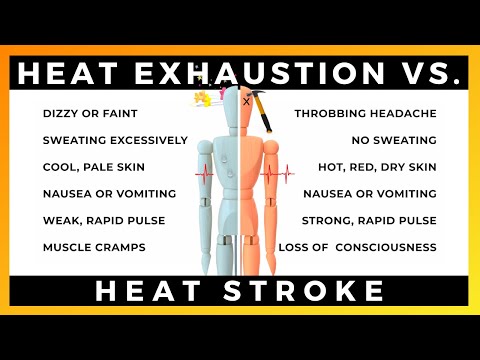
As the sun shines brightly and temperatures rise, many of us look forward to outdoor activities—beach days, barbecues, and long hikes. Yet, amidst this excitement lies a hidden danger: heat exhaustion. This condition can sneak up on you when you least expect it, leaving you feeling dizzy, sweaty, and weak. Understanding how to recognize and prevent heat exhaustion is essential for enjoying the summer safely.
Heat exhaustion happens when your body struggles to cool itself down. Imagine your car’s engine overheating; it needs time to cool off to function properly. Our bodies work similarly; when we overheat from heat and exertion, we’re at risk of becoming unwell.
To stay safe in hot weather, it’s crucial to know the signs of heat exhaustion and how to avoid it:
The information provided in this article is intended solely for general informational and educational purposes. It does not constitute medical advice, diagnosis or professional treatment, and should not be considered a substitute for consultation with a qualified doctor or other licensed healthcare professional. Any health-related decisions should be made in consultation with accredited medical professionals.
While efforts have been made to ensure the information is accurate and up to date, no guarantees are given—either express or implied—regarding its accuracy, completeness, currency or suitability. Use of this information is at your own discretion.
It is strongly recommended to consult official sources such as the NHS (National Health Service) or other recognised medical institutions before acting on any information contained on this website or article. Under no circumstances should professional medical advice be ignored or delayed due to content read here.
This content is of a general and informational nature only. It is not intended to replace individualised guidance from a healthcare professional or to establish any doctor-patient relationship. The publication of this information does not imply any professional responsibility, guarantee or obligation on the part of the author or this site.
It’s vital to be proactive about your health during the hot months. Take breaks in the shade or indoors if needed.
However, don’t underestimate this condition’s seriousness. Heat-related illnesses can escalate quickly. If you or someone around you shows severe symptoms like confusion or fainting, seek medical attention immediately.
Always inform yourself through various specialists or trusted media sources about managing health risks associated with high temperatures. By educating yourself and those around you about heat exhaustion, you’ll be better prepared for a safe and enjoyable summer season!
Simple Strategies to Stay Cool and Safe in the Heat
Staying cool and safe in the heat is vital, especially during hot summer days. Heat exhaustion can sneak up on you, making it essential to recognize the signs and take precautions. Here are some simple strategies to help you beat the heat.
First, stay hydrated. Drink plenty of water throughout the day. When it’s hot, your body sweats more to cool itself down. This means you lose fluids quicker. Herbal teas or diluted juices can also help with hydration.
Next, try to limit outdoor activities. If possible, schedule your errands or workouts for early morning or late evening when temperatures are cooler. If you must be outside, take frequent breaks in shaded areas.
Wear appropriate clothing. Light-colored, loose-fitting clothes made of natural fabrics like cotton will allow your skin to breathe. This can help keep your body temperature down.
Another tips is to use fans or air conditioning. If you don’t have AC at home, consider visiting public places like libraries or shopping centers that do. Even a simple fan can make a significant difference in comfort.
Also, don’t skip cool showers or baths. Taking a cool shower helps lower your body temperature quickly and effectively. Just be cautious not to go too cold too fast!
Finally, keep an eye on those around you. Elderly individuals and young children are particularly vulnerable to heat exhaustion. Make sure they’re comfortable and taking necessary breaks.
In summary:
By using these strategies together, you’ll increase your chances of staying safe in the heat this summer! Remember that listening to your body is key; if you start feeling dizzy or weak, it’s essential to take action right away—such as moving indoors and sipping water.
Cool Tips for Staying Comfortable in the Summer Sun
Summer can be a wonderful time, but the heat can also be a concern. Staying comfortable while enjoying the sun is key to preventing heat exhaustion. Let’s explore some cool tips to help you beat the heat.
Stay Hydrated. Drinking enough water is vital. When it’s hot, your body loses fluids through sweat. Keep a water bottle handy and sip throughout the day. If you’re active, consider drinks with electrolytes too.
Dress Wisely. Choose light-colored, loose-fitting clothes made from breathable fabrics like cotton or linen. Dark colors absorb heat, while lighter ones reflect it.
Seek Shade. If you’re outdoors, finding shady spots makes a big difference. Trees, umbrellas, or other structures provide relief from direct sunlight.
Avoid Peak Hours. The sun is usually strongest between 10 AM and 4 PM. If possible, plan outdoor activities for early morning or late afternoon when it’s cooler.
Use Sunscreen. Protecting your skin from harmful UV rays is important even if you’re not directly in the sun. Apply sunscreen generously and reapply every two hours or after swimming.
Cooling Devices. Consider using fans or portable misting devices to keep cool in hot environments. Even a cool cloth on your neck can help lower body temperature.
Know the Signs of Heat Exhaustion. Be aware of symptoms like heavy sweating, weakness, dizziness, or nausea. If you or someone else experiences these signs, it’s crucial to take action fast.
Rest Frequently. Take breaks in a cool place during activities that require physical exertion. Avoid pushing yourself when it’s extremely hot outside.
By following these tips, you can enjoy summer safely while keeping discomfort at bay. Remember to listen to your body and take care of yourself in the heat!
Essential Strategies to Keep Your Cool Before It’s Too Late
When the temperature rises, staying cool becomes really important. Heat exhaustion can sneak up on anyone, especially in hot weather. It’s your body’s way of saying it’s struggling to keep cool.
Heat exhaustion occurs when your body loses too much water and salt. This is often due to sweating in high temperatures. It might feel like a strong wave of fatigue or dizziness. Recognizing the symptoms early can make a huge difference.
Here are some signals to watch for:
If you notice these signs, it’s time to take action.
Hydration is key. Drink plenty of fluids, especially water. Electrolyte drinks can help replace lost salts too. Avoid alcohol and caffeine as they can dehydrate you further.
Finding shade or a cooler environment is also crucial. Think of it like moving from the sun into a shaded tree – you immediately feel relief. Air conditioning works wonders, but if that’s not an option, fans or even damp cloths can help lower your body temperature.
Plan ahead. If you’re going out in heat, dress for the occasion. Light-colored and loose-fitting clothes allow air circulation and reflect heat better than dark colors do.
Timing matters too! Try to limit outdoor activities during peak heat hours – usually between 10 AM and 4 PM. If you have to be outside, take regular breaks in cooler places.
It’s wise to keep an eye on those around you too. Friends or family members may not recognize their own signs of heat exhaustion right away.
Finally, listen to your body’s signals. If you are feeling unwell from the heat, pay attention! Addressing these issues early on will help prevent more serious conditions like heat stroke.
Staying informed and making small adjustments in how we handle hot weather can go a long way in keeping everyone safe and comfortable. Stay cool out there!
Heat exhaustion is a serious concern, especially during the warmer months. Understanding its signs and prevention strategies is crucial for everyone, from outdoor workers to athletes and families enjoying summer activities.
Heat exhaustion occurs when the body overheats. This can happen in high temperatures or during vigorous activity, particularly when combined with dehydration. Recognizing the symptoms—like heavy sweating, weakness, dizziness, and nausea—is vital because they can escalate to heat stroke if ignored.
Prevention should be a priority. Here are some practical steps:
It’s essential to educate ourselves and others about these measures. By fostering awareness around heat exhaustion, we can help prevent serious health issues during hot weather. Ultimately, mindfulness about our environment and bodily signals can ensure a safer summer experience for everyone.