Have you ever flexed your arm and felt a surge of strength? That sensation comes from your biceps brachii, a key muscle in the upper arm. Understanding its anatomy and function can unlock the secrets behind your physical abilities, whether you’re lifting weights or just carrying groceries.
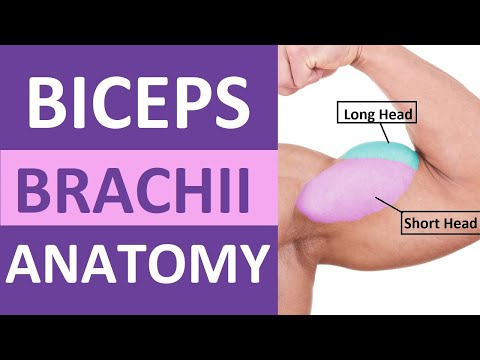
The biceps brachii has two heads: the short head and the long head. Imagine these as the two arms of a superhero—working together to give you strength and control. When these muscles contract, they not only bend your elbow but also help rotate your forearm. This powerful duo plays a crucial role in daily activities, sports, and overall fitness.
However, it’s essential to approach any information about “Biceps Brachii Anatomy and Function Revealed Body Maps” with care. Not all resources are created equal. Make sure to consult various specialists, such as physical therapists or personal trainers, and seek out reliable media to get a well-rounded understanding. This will empower you to make informed decisions about exercising and caring for yourself safely.
Curiosity is the first step toward better health! So let’s dive deeper into this fascinating muscle and discover how it impacts our lives every day.
The information provided in this article is intended solely for general informational and educational purposes. It does not constitute medical advice, diagnosis or professional treatment, and should not be considered a substitute for consultation with a qualified doctor or other licensed healthcare professional. Any health-related decisions should be made in consultation with accredited medical professionals.
While efforts have been made to ensure the information is accurate and up to date, no guarantees are given—either express or implied—regarding its accuracy, completeness, currency or suitability. Use of this information is at your own discretion.
It is strongly recommended to consult official sources such as the NHS (National Health Service) or other recognised medical institutions before acting on any information contained on this website or article. Under no circumstances should professional medical advice be ignored or delayed due to content read here.
This content is of a general and informational nature only. It is not intended to replace individualised guidance from a healthcare professional or to establish any doctor-patient relationship. The publication of this information does not imply any professional responsibility, guarantee or obligation on the part of the author or this site.
Exploring the Role of Your Arm’s Muscular Powerhouse
The biceps brachii is often seen as the muscle that defines the upper arm. It’s not just about looks; this muscle plays a crucial role in how we move our arms.
To start with, the biceps brachii has two main parts, known as the “heads.” These are called the long head and the short head. Each part has a distinct origin but joins together to form one powerful muscle. Think of them as two branches of a tree, coming together to provide strength and flexibility.
Functionally, the biceps are key for bending your elbow, which is also known as flexion. This action helps you perform everyday tasks like lifting groceries or holding a child. Imagine picking up something heavy; your biceps engage to help you lift it smoothly.
Another important role of the biceps is in supination. This means turning your palm upwards or forwards. For instance, think about holding a soup bowl or using a screwdriver; that’s your bicep at work!
When we talk about muscle power, it’s essential to understand that strength doesn’t come from size alone. Training can enhance both endurance and strength of the biceps through various exercises like curls or pull-ups.
However, it’s important to balance your workouts with attention to other muscles too. Overworking only one group can lead to imbalances and injuries down the line. Just as building a house needs a strong foundation, so does building body strength require well-rounded training.
Hopefully, this gives you insight into how vital your upper arm’s muscular powerhouse truly is! Keep engaging with your body wisely—it benefits not only physical activities but also overall well-being!
Always remember: informed choices lead to healthier lives!
Unraveling the Key Role of the Biceps Brachii in Arm Function and Rehabilitation
The biceps brachii, often simply called the biceps, is more than just a muscle that looks good. It’s crucial for a variety of arm movements and plays a significant role in everyday activities.
To understand its function, let’s first look at its anatomy. The biceps has two main parts: the long head and the short head. These heads originate from different points on the shoulder blade but come together to form one muscle that connects to the forearm bones.
What does the biceps do?
The primary functions of the biceps include:
Now, why is this important? Think about lifting grocery bags or performing daily tasks like brushing your teeth. The biceps play a key role in these simple yet vital actions.
In terms of rehabilitation, understanding how the biceps function is essential for recovery from injuries. If someone injures their arm or shoulder, strengthening and stretching this muscle can greatly improve mobility.
A common misconception is that more strength equals better function. However, balance is critical as well—too much focus on building size without proper flexibility can lead to injury.
When rehabilitating an injured bicep, exercises often start with gentle movements. Gradually adding resistance helps rebuild strength without overwhelming the muscle.
Tips for keeping your biceps healthy include:
Healthy living goes beyond just using our muscles; it’s about keeping them balanced and functional. Regular check-ins with how we use our arms can guide us toward better habits and prevent injuries.
In conclusion, appreciating the role of the biceps brachii can enhance our understanding of arm function and rehabilitation strategies. Knowledge is power when it comes to taking care of our bodies!
Unlocking the Secrets of Muscle Movement: How the Biceps Brachii Nerve Powers Your Arm’s Strength
Understanding muscle movement is exciting. One key player in this process is the biceps brachii. This muscle not only gives your arms strength but also plays a significant role in how we move.
The biceps brachii is located on the front of your upper arm. It’s often referred to simply as the “biceps.” When you flex your arm, this muscle contracts and gets shorter, making your forearm lift.
What’s less visible but equally important is the nerve that controls the biceps. The musculocutaneous nerve runs from your spinal cord into your arm. Think of it like a communication line between your brain and muscles.
When you decide to lift something, your brain sends a signal through this nerve. It tells the biceps to contract while relaxing other muscles, so you can perform smooth movements.
Here are some key aspects of the biceps brachii and its function:
Each time you use your arms, you’re relying on this intricate network of muscles and nerves working together. Without proper nerve function, even strong muscles can’t do much.
It’s also important to remember that nerves can be injured or damaged. Conditions like carpal tunnel syndrome or an injury may affect how well they work. This could lead to weakness or limited motion in the arms.
Strengthening exercises can help maintain good muscle function but always listen to what your body tells you. If something feels off or painful, consult with a knowledgeable person who can guide you properly.
In summary, understanding how the biceps brachii works with its controlling nerve enhances our appreciation for our body’s complex design. Every lift or reach is a combination of brain signals and muscular action, signifying true teamwork inside our bodies!
The “Biceps Brachii Anatomy and Function Revealed Body Maps” provide a fascinating insight into our muscle structure and physiology. This resource effectively breaks down the complex anatomy of the biceps brachii, highlighting its location, origin, insertion points, and function.
Understanding the biceps goes beyond just recognizing it as a prominent muscle in the upper arm. It plays a crucial role in movements such as flexion of the elbow and supination of the forearm. By visually mapping these aspects, we can better appreciate how this muscle contributes to daily activities, from lifting objects to engaging in more strenuous exercises.
Moreover, this approach emphasizes the importance of studying not just individual muscles but how they interact as part of a larger system. The diagrams encourage learners to visualize how various muscles work together during movement, which is essential for anyone interested in fitness or rehabilitation.
Overall, resources like these underscore the value of anatomical education in promoting informed exercise practices and injury prevention. They serve as tools for both fitness enthusiasts and health professionals looking to deepen their understanding of human anatomy and its implications for movement efficiency and strength training.