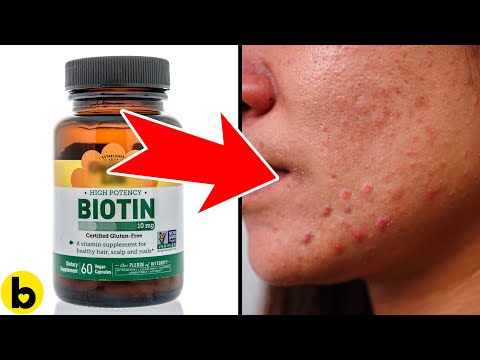
Have you ever considered taking biotin to boost your hair, skin, or nail health? This popular supplement is often touted for its beauty benefits. But before diving in, it’s crucial to explore whether biotin is truly safe for you and what potential side effects might arise.
Biotin, also known as vitamin B7, plays a key role in converting food into energy and contributes to the health of our hair, skin, and nails. While many people take it with high hopes of enhancing their appearance, not everyone experiences the same effects. Understanding how your body responds to any supplement is essential.
While biotin is generally considered safe for most people when taken at recommended doses, some may experience side effects. These can include skin rashes, digestive upset, or interference with laboratory test results. That’s why it’s important to consult various specialists and gather information from reliable sources before starting any new supplement regimen.
In your journey toward better health and beauty, remember that knowledge is empowerment. Make sure to ask questions and investigate thoroughly so that you can make the best decision tailored to your individual needs.
The information provided in this article is intended solely for general informational and educational purposes. It does not constitute medical advice, diagnosis or professional treatment, and should not be considered a substitute for consultation with a qualified doctor or other licensed healthcare professional. Any health-related decisions should be made in consultation with accredited medical professionals.
While efforts have been made to ensure the information is accurate and up to date, no guarantees are given—either express or implied—regarding its accuracy, completeness, currency or suitability. Use of this information is at your own discretion.
It is strongly recommended to consult official sources such as the NHS (National Health Service) or other recognised medical institutions before acting on any information contained on this website or article. Under no circumstances should professional medical advice be ignored or delayed due to content read here.
This content is of a general and informational nature only. It is not intended to replace individualised guidance from a healthcare professional or to establish any doctor-patient relationship. The publication of this information does not imply any professional responsibility, guarantee or obligation on the part of the author or this site.
Uncovering the Truth About Biotin’s Impact on Your Health
Biotin, also known as vitamin B7, is often touted for its benefits related to hair and nail health. It’s a water-soluble vitamin, meaning your body doesn’t store it. Instead, it gets rid of the excess through urine.
Many people take biotin supplements with the hope of improving their hair growth or strengthening their nails. However, research on its effectiveness is mixed. Some small studies suggest that biotin can help those who are deficient in it.
Most people get enough biotin from food sources like eggs, nuts, fish, and whole grains. So if you’re eating a balanced diet, you might not need extra biotin. Supplements are usually only helpful for those with a diagnosed deficiency.
Regarding safety, biotin is generally considered safe when taken at recommended levels. However, taking very high doses can lead to potential side effects. Here are some points to consider:
It’s essential to be cautious about the amount you take. While it’s rare to have serious side effects from biotin alone, individual responses can vary greatly.
There’s also a common myth that more biotin leads to faster hair growth or healthier nails. This isn’t necessarily true for everyone and could lead to disappointment if expectations are too high.
Before starting any supplement regime—biotin included—it’s wise to consult with someone who has expertise in health matters. They can help assess your needs based on your diet and lifestyle.
Overall, while biotin plays an important role in our bodily functions and some may benefit from supplemental use, moderation is key! The best approach remains a well-rounded diet that includes various nutrients vital for overall health.
Exploring the Daily Use of Biotin: Benefits, Risks, and What You Need to Know
Biotin, also known as Vitamin B7, is a water-soluble vitamin that plays a role in several bodily functions. It’s often linked to hair health, skin wellness, and nail strength. Many people take biotin supplements hoping to enhance their beauty.
But what are the actual benefits of daily biotin use?
Hair and Nails: Some studies suggest that biotin may help improve the strength and thickness of hair and nails. Think of it like giving your body extra building blocks. However, results can vary widely among individuals.
Metabolism: Biotin helps your body convert food into energy. It acts like a key that unlocks energy from carbohydrates, fats, and proteins. So it’s not just for beauty; it also aids in overall metabolism.
Now let’s consider the risks associated with taking biotin supplements daily.
Side Effects: In general, biotin is considered safe for most people when taken in normal dietary amounts. However, high doses can lead to unintended side effects such as skin rashes or gastrointestinal issues.
Interactions with Lab Tests: One surprising risk is that high biotin levels can interfere with certain lab tests. This could lead to inaccurate results for thyroid tests or heart health markers. Always inform your healthcare provider if you’re taking supplements.
Many people wonder how much biotin they should actually take.
It’s easy to think more is better when it comes to vitamins. But this isn’t always true.
A common myth is that everyone needs supplements for optimal health. In reality, well-balanced meals usually provide sufficient nutrients without extra pills.
When thinking about adding biotin to your routine, consider these points:
1. Assess your current diet—are you already getting enough?
2. Look at potential benefits versus risks.
3. Consult with someone knowledgeable if in doubt about dosage or safety.
In conclusion, while daily use of biotin has potential benefits surrounding hair and metabolic health, caution is warranted due to possible side effects and interactions. Good decisions come from being informed!
Understanding the Impact of Biotin on Kidney Health
Biotin, also known as vitamin B7, plays a role in converting food into energy. It’s essential for various bodily functions, including metabolism and maintaining healthy skin, hair, and nails.
Many people take biotin supplements hoping for these beauty benefits. However, one concern that arises is its impact on kidney health. The kidneys are crucial for filtering waste from the blood and balancing fluids in the body.
Research on biotin’s effects on kidney health is limited. Most studies focus on its benefits rather than potential harms. However, it’s important to understand a few key points:
Most people get enough biotin through their diet. It’s found in foods like eggs, nuts, and whole grains. Unless someone has a specific deficiency or a condition that requires supplementation, additional intake might not be necessary.
It’s also worth noting that while biotin is water-soluble (meaning any excess typically leaves the body through urine), moderation is key. Excessive amounts of any supplement can burden the kidneys over time.
If you have kidney issues or other health concerns, it’s smart to consult with a healthcare provider before starting any new supplement regimen. They can provide advice tailored to your needs.
So while many associate biotin with beauty benefits and metabolic support, always approach supplementation with caution and awareness of potential side effects or interactions—especially regarding kidney health. Remember that informed decisions lead to better health outcomes in the long run!
Biotin, also known as vitamin B7, is often touted for its benefits on hair, skin, and nails. Many people take it as a supplement hoping to improve their appearance or boost overall health. However, it’s important to approach it with caution.
Most people get enough biotin from their diet. Foods like eggs, nuts, and whole grains are rich in this nutrient. Excessive supplementation may not only be unnecessary but could also lead to side effects.
Some individuals have reported mild side effects such as nausea or digestive upset when taking high doses of biotin. More concerning are the interactions it might have with lab tests. For example, high biotin levels can interfere with thyroid function tests or hormone level assessments, leading to inaccurate results.
While biotin is generally considered safe in recommended amounts, you should consult a healthcare professional before starting any new supplement regimen. This ensures you make an informed choice tailored to your specific health needs.
In summary, while biotin has its benefits, moderation and professional guidance are essential for safe use. Always prioritize a balanced diet first; supplements should complement your nutrition rather than replace it.