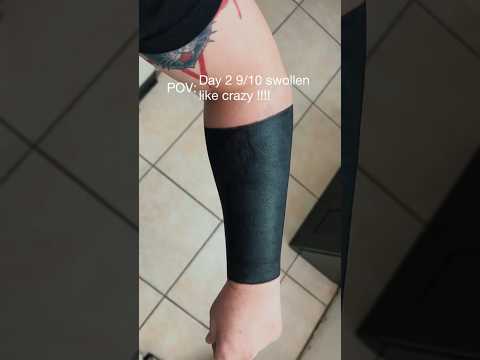
Have you ever seen a tattoo that’s completely filled in with solid black? That’s known as a **blackout tattoo**. This unique form of body art has gained popularity as a bold statement or a way to cover up previous tattoos. It’s not just about aesthetics; there’s an entire process, along with considerations around pain and healing, that every potential wearer should understand.
It’s fascinating how this artistic trend can transform skin into a canvas of deep ebony. Every blackout piece tells its own story—whether it’s personal expression or renewal after past ink. The pain levels associated with these tattoos can also vary greatly, depending on the individual’s pain threshold and the tattoo location on the body.
However, before diving into the world of blackout tattoos, it is essential to be well-informed. Consider your options carefully and think about what this choice represents for you personally.
Warning: Blackout tattoos are not just another trend; they involve significant commitment and understanding of your skin’s response to such extensive ink coverage. It’s crucial to consult various specialists—from professional tattoo artists to dermatologists—to gain comprehensive insights into what this process entails. Take time to research through different media sources too, ensuring you make an informed decision that aligns with your health and body art goals. Your skin deserves thoughtful consideration!
The information provided in this article is intended solely for general informational and educational purposes. It does not constitute medical advice, diagnosis or professional treatment, and should not be considered a substitute for consultation with a qualified doctor or other licensed healthcare professional. Any health-related decisions should be made in consultation with accredited medical professionals.
While efforts have been made to ensure the information is accurate and up to date, no guarantees are given—either express or implied—regarding its accuracy, completeness, currency or suitability. Use of this information is at your own discretion.
It is strongly recommended to consult official sources such as the NHS (National Health Service) or other recognised medical institutions before acting on any information contained on this website or article. Under no circumstances should professional medical advice be ignored or delayed due to content read here.
This content is of a general and informational nature only. It is not intended to replace individualised guidance from a healthcare professional or to establish any doctor-patient relationship. The publication of this information does not imply any professional responsibility, guarantee or obligation on the part of the author or this site.
Exploring the Pain Level of Blackout Tattoos: What to Expect
Blackout tattoos are gaining popularity for their bold, striking look. They involve covering large areas of skin with solid black ink. Many people wonder about the pain level associated with these tattoos, and it’s an important topic to understand.
Pain perception varies from person to person. It’s influenced by factors like individual pain tolerance, placement on the body, and the size of the tattoo. Generally, blackout tattoos cover larger areas than traditional designs, which often means longer sessions in the chair.
Here’s what you might expect regarding pain:
During a blackout tattoo session, artists often use techniques to minimize discomfort. This may include applying numbing creams or taking breaks when needed.
Expect some level of discomfort as needles puncture your skin repeatedly; this is normal for any tattoo. Many describe it as a burning or scratching sensation rather than unbearable pain.
Healing time is also a big part of this process. After getting inked, you’ll need to care for your tattoo properly to avoid infection and help it heal well. Healing times can vary based on size and location but typically last 2-4 weeks.
It’s crucial to have realistic expectations about both pain and healing when considering a blackout tattoo. Listen closely to your body during the process; if something feels off, don’t hesitate to communicate with your artist.
Remember that getting a tattoo is personal—what’s manageable for one person might be challenging for another. Take time to weigh your options and be prepared mentally and physically before diving into this bold choice!
Exploring the Healing Process of Bold Blackout Ink
Bold blackout ink tattoos have gained popularity for their unique look and the stories they tell. Many people are attracted to this tattoo style for various reasons, including covering existing tattoos or simply creating a bold aesthetic.
The healing process for any tattoo is critical, including those using blackout ink. Understanding what happens during this process can help you take better care of your body.
First, let’s explore what happens immediately after getting a blackout tattoo. Your skin has undergone trauma from the needles that deposit ink into the dermis layer. This can cause some swelling and redness, similar to how you might react if you got a small cut.
Immediately after getting the tattoo, it’s important to keep it clean and moisturized. A gentle touch is key here; too much rubbing can irritate your skin more.
During the healing phase, you can expect several changes. Your skin will likely peel and scab as it heals. This process is natural, like how a sunburn eventually peels away to reveal new skin underneath.
Proper aftercare includes:
It’s also essential not to scratch or pick at any scabs that form. Doing so can lead to infections or uneven healing, much like how picking at a scab from an injury can cause issues.
Pain management is another aspect of the healing process worth discussing. Initially, you might feel some soreness or tenderness in the area where you got your tattoo. Over-the-counter pain relief options may help if discomfort arises but always use them as directed.
Time plays a significant role in healing too; typically, full recovery takes about two weeks or more depending on individual factors such as skin type and care routine.
Many people wonder about potential risks with blackout ink tattoos. Allergic reactions, while rare, can occur with any ink type—including black inks sometimes used in blackout tattoos—so be mindful of your body’s reactions.
If something feels off during your healing—like excessive redness or oozing—it’s wise to consult someone who knows about tattoos or skincare for guidance.
In summary, understanding the healing process of bold blackout ink tattoos helps set realistic expectations and promotes better care outcomes. Remember that this journey varies from person to person! By following good aftercare practices and being aware of what’s normal during recovery time, you’ll foster an environment for beautiful results over time.
Signs to Watch for in Your Inked Skin
Getting a blackout tattoo can be an exciting form of self-expression. However, just like any other tattoo, it’s crucial to know what signs to watch for in your inked skin. Here are some important points to keep in mind.
Firstly, pain is an expected part of the tattooing process. However, if you experience severe or increasing pain after getting your blackout tattoo, this could be a red flag. It’s normal to feel some discomfort during the process, but pain that worsens later may indicate issues.
Secondly, redness and swelling around the tattoo site are common right after getting inked. Yet if swelling continues for more than a few days or if redness spreads beyond the outline of the tattoo, you should take notice. This could be a sign of an infection.
Thirdly, look out for discharge. Some ooze is typical immediately post-tattooing but any green or yellow pus is not normal and should be evaluated. Healthy healing should involve minimal discharge and clear fluids.
Additionally, observe your skin’s color changes. A blackout tattoo is supposed to stay dark; however, if parts begin to fade quickly or look patchy just weeks after getting it done, this might indicate poor application or healing problems.
Next, consider itching. While some itchiness can occur during healing as scabs form and fall off, excessive itching can lead to complications like scratching. If it’s unbearable or leads to broken skin, it may need attention.
Lastly – and importantly – pay attention to overall well-being. If you develop feverish symptoms or feel generally unwell after getting a tattoo, this could signal an underlying issue that requires further investigation.
In summary:
Always trust your instincts when it comes to your health. Should you notice any worrisome signs in your blackout tattood area, consulting with someone experienced in tattoos can help address concerns early on. Taking care of your ink means taking care of yourself too!
Blackout tattoos, a unique trend in body art, involve covering existing tattoos with solid black ink. This process can symbolize various personal narratives, from reclaiming one’s skin to creating a new identity. However, it’s essential to delve into the multifaceted aspects of this procedure: pain, healing, and psychological implications.
The pain associated with blackout tattoos can be significant. Tattooing involves puncturing the skin with needles, and layering black ink requires more passes over the same area than a standard tattoo. This increased trauma can lead to heightened discomfort during the process. Understanding this aspect is crucial for those considering such a choice.
Healing is another critical factor. After receiving a blackout tattoo, the skin requires time to recover properly. Proper aftercare routines are essential to minimize complications and ensure optimal healing. This may include keeping the area clean, moisturized, and protected from sun exposure.
Moreover, it’s vital to acknowledge the emotional context surrounding blackout tattoos. For some individuals, this process represents transformation or personal growth. It can serve as a form of empowerment or even closure on past experiences tied to previous inkings.
In conclusion, while blackout tattoos can be an appealing option for many seeking change or redemption through their body art choices, it’s important to consider all aspects—pain levels during application, healing processes afterward, and deeper symbolic meanings behind the decision. Engaging thoughtfully with these factors leads to informed choices that align with one’s personal journey.