The information provided in this article is intended solely for general informational and educational purposes. It does not constitute medical advice, diagnosis or professional treatment, and should not be considered a substitute for consultation with a qualified doctor or other licensed healthcare professional. Any health-related decisions should be made in consultation with accredited medical professionals.
While efforts have been made to ensure the information is accurate and up to date, no guarantees are given—either express or implied—regarding its accuracy, completeness, currency or suitability. Use of this information is at your own discretion.
It is strongly recommended to consult official sources such as the NHS (National Health Service) or other recognised medical institutions before acting on any information contained on this website or article. Under no circumstances should professional medical advice be ignored or delayed due to content read here.
This content is of a general and informational nature only. It is not intended to replace individualised guidance from a healthcare professional or to establish any doctor-patient relationship. The publication of this information does not imply any professional responsibility, guarantee or obligation on the part of the author or this site.
Have you ever felt a nagging pain between your shoulders? You’re definitely not alone. Many of us spend hours hunched over screens, leading to discomfort that just won’t go away. It’s frustrating, right?
The truth is, much of this tightness can come from weak lower traps. These muscles are super important for keeping your shoulder blades steady and supporting good posture. If they’re not working properly, well, your body often pays the price.
This article dives into some simple yet effective exercises that focus on strengthening your lower traps. By incorporating these movements into your routine, you might find relief from that pesky pain and improve your overall stability.
Remember, though: while these exercises can be helpful tools, they aren’t a substitute for professional medical advice. Making health decisions should involve consulting a healthcare professional who understands your unique needs.
So, let’s go ahead and explore how building strength in this area can truly make a difference! You’ll likely feel better and more balanced in no time.
Strengthen Your Back and Improve Posture with Effective Lower Trapezius Workouts
Understanding the Lower Trapezius
The lower trapezius muscle is an important part of your back. It stretches from your neck down to the center of your back, across your shoulder blades. This muscle helps stabilize your shoulders and supports good posture.
When this muscle is weak, it can lead to poor posture. You might find yourself slouching or leaning forward, which can cause discomfort over time. Think about how it feels when you sit at a computer for hours—your shoulders might start to round forward, right?
Why Strengthen Your Lower Traps?
You might wonder why focusing on the lower traps is key for posture. Well, strengthening these muscles helps balance the upper traps and other surrounding muscles. This balance creates a sturdy foundation, reducing strain on other areas like your neck and upper back.
Plus, a strong lower trap can help alleviate pain that comes from things like sitting too long or lifting incorrectly. Imagine having greater stability while performing daily tasks!
Effective Workouts for Lower Trapezius
- Shrugs: While traditional shrugs often work the upper trapezius, if you pull with a focus on lowering your shoulder blades instead of raising them up, you’ll engage the lower part more effectively.
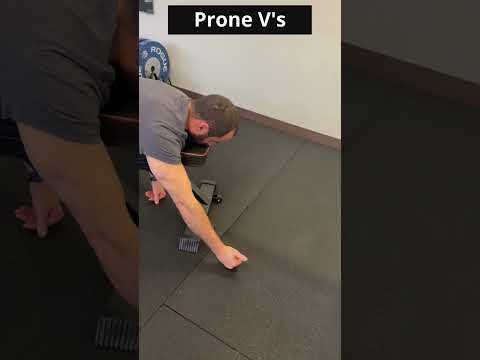
- Y Raises: Lie face down on an incline bench and raise your arms in a Y shape with thumbs pointing up. This isolates those lower traps nicely.
- T Raises: Similar to Y raises but here you lift arms out at shoulder level forming a T shape! Keep squeezing those shoulder blades together.
- Pilates Swimming: Lying face down again, lift opposite arm and leg alternately as if swimming. This activates various muscles including lower traps in a dynamic way.
Minding Your Form
No matter what exercise you choose, form is really important! If you’re not using correct form, you may not get the benefits you’re looking for—and that’s frustrating! Focus on controlled movements rather than rushing through reps.
A Note on Frequency
You don’t need to do these workouts every single day; 2-3 times per week can be sufficient for strength improvement without overdoing it. Eventually you may even notice improved posture without thinking about it!
The Bigger Picture
The thing is that strengthening one area isn’t always enough by itself. Combine these workouts with stretches for tight areas—like chest stretches—to maintain balance in your muscle groups.
A Balanced Approach Matters
- Avoiding Overuse: Just like anything else in life—you wouldn’t run every day without rest! Balance activities out to keep overall health in check.
- Keen Awareness: Pay attention to how different movements feel throughout the day; being mindful can prevent injuries before they happen!
If you’re considering starting these exercises or making changes for chronic pain relief or posture improvement then it’s always smart to consult someone who knows fitness well—like trainers or physical therapists—or friends who have experience with this!
Your Journey Begins With Small Steps
Overall make sure you’re patient during this process; building strength takes time and consistency will pay off eventually! Whether it’s wanting less discomfort or just standing tall—your efforts will move you closer towards those goals!
Transform Your Posture and Strengthen Your Back with Simple At-Home Moves
Understanding Posture and Back Strength
Hey, let’s chat about posture. Good posture isn’t just about looking confident. It plays a vital role in keeping our spine healthy. Poor posture can lead to back pain and even affect how we breathe.
Your back is like the trunk of a tree, supporting everything above it. Strengthening the muscles around your spine can help keep it upright and strong. One area you might not think about much is the lower trapezius muscle—often called the lower trap.
The Role of Lower Traps
The lower traps are key for shoulder stability and upper back strength. If they’re weak, you might slouch or have shoulder issues. Think of it this way: if your foundation isn’t solid, the whole structure can wobble.
When these muscles fire properly, they help align your shoulders and reduce tension in your neck and upper back. This can be especially important if you spend long hours at a desk.
Simple At-Home Moves
You don’t need fancy equipment to strengthen your lower traps at home. Let’s go over some simple exercises that target this area:
- Wall Angels: Stand against a wall with arms raised in a ‘W’ position. Slide your arms up into a ‘Y,’ keeping contact with the wall.
- Dumbbell Rows: Use any weight or even water bottles! Bend forward slightly and pull weights towards your hips, squeezing those shoulder blades together.
- Pillows Squeeze: Lie on your back with pillows between your knees; squeeze them while keeping neutral alignment in your spine.
- Bent-over Flies: Hinge at the hips with weights in both hands; raise them out to the sides, focusing on squeezing those shoulder blades together.
Listening to Your Body
If you’re new to exercise or experiencing pain (not just discomfort), it’s crucial to pay attention to what feels right for you. Not every movement will suit everyone, so adapt as needed!
A Way of Life
Improving posture is not just about one-off workouts but also integrating good habits into daily life. You know when you’re sitting? Make sure you sit allthe way back in your chair! Stand tall when walking! Small changes add up over time!
Myths About Back Pain Relief
A common misconception is that resting cures all back pains—it often doesn’t! Movement is essential for recovery; gentle stretching and strengthening can work wonders.
The journey towards better posture doesn’t have to be daunting or painful. With these simple moves and an attentive mindset, you’re setting yourself up for long-term success in maintaining a strong back!
Unlock Better Posture with Simple Lower Trap Moves
Good posture plays a crucial role in our overall health. It can help prevent pain, improve breathing, and even boost confidence. One area that often gets overlooked is the lower trapezius muscles—those little guys between your shoulder blades. Strengthening them can make a big difference.
What Are the Lower Trapezius Muscles?
The lower trapezius is part of a larger muscle called the trapezius, which spans from your neck down to the middle of your back. It helps move and stabilize your shoulder blades. You know when you slump or hunch over? Weakness in this area might be contributing to that discomfort.
Why Strengthen the Lower Traps?
When those muscles are weak, it can lead to poor alignment. Think about it: if some muscles are weak and others are strong, they pull you out of balance. This imbalance can contribute to tension and pain in your neck or upper back.
Simple Exercises for Your Lower Traps
You don’t need fancy equipment at all! Here are a few easy exercises you can try:
- Bent-Over Rows: Bend at the hips while keeping your back straight. Hold weights or even water bottles and pull them towards your waist. Squeeze those shoulder blades together!
- Face Pulls: Using resistance bands (or cable machines if you’re at a gym), pull towards your face while keeping elbows high. It’s like giving yourself a hug with resistance!
- Shrug Holds: Shrug your shoulders up towards your ears then hold that position for several seconds before relaxing them down again.
Caution on Form
This part is important! If you’re doing these moves but feeling pain in an unusual way, it’s smart to stop and reconsider how you’re working out. Sometimes small adjustments in how you hold yourself can change everything.
A Real-Life Example
A friend of mine used to complain about constant shoulder pain from working at a desk all day. They realized their posture was awful! After adding some lower trap exercises into their routine, they felt more stable in their shoulders and noticed less tension around their neck.
If It Doesn’t Work Right Away
Sometimes progress isn’t immediate, so don’t get discouraged! It takes time for those lower traps to get stronger and help with better posture.
The Bottom Line
Your body deserves some attention when it comes to posture and strength training—especially those lower traps! The right movements along with proper awareness can really set you on the right path toward feeling good again.
Building strength in the lower trapezius can be a game-changer for those dealing with neck and upper back pain. You know, many people overlook this muscle, often focusing on more prominent ones like the upper traps or lats. But here’s the thing: strong lower traps play a crucial role in stabilizing the shoulders and improving posture.
When we spend long hours hunched over our computers or phones, the lower trapezius can become weak and inactive. This imbalance leads to tightness and discomfort. Targeted exercises help to activate these muscles, thereby alleviating some of that strain.
Some effective lower trap exercises include scapular retractions and wall slides. These movements encourage proper alignment of the shoulder blades, which can reduce tension in other areas of the back and neck. It’s like tuning a musical instrument; when one part is out of sync, it affects the whole performance.
Moreover, combining these exercises with stretching routines can enhance overall muscle function. Stretching decreases tension in tight areas while strengthening helps build endurance and support for daily activities.
Ultimately, increasing awareness about lower trap strength emphasizes preventive care in musculoskeletal health. Incorporating these practices into routine fitness makes sense for anyone looking to stay pain-free and active.