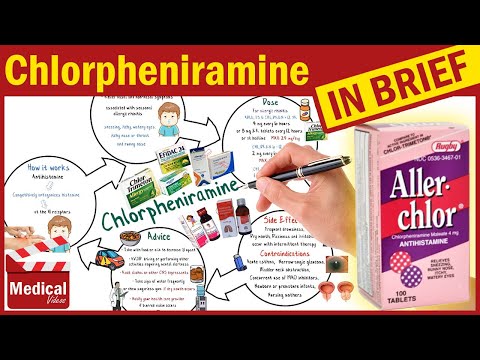
C P M Oral, often referred to simply as CPM, is a medication commonly used to relieve allergy symptoms. Think of it as a helpful umbrella during a rainstorm of sneezes and sniffles. While it can be effective in managing discomfort from allergies or the common cold, there’s more to consider than just its benefits.
Understanding CPM involves looking closely at its uses, potential side effects, and how it interacts with other medications. Consider this information like the pieces of a puzzle: when put together accurately, they create a clearer picture of how this medication impacts your health.
However, it’s crucial to approach any medication with caution. Every person is different, and what works for one may not work for another. Misunderstandings about medications can lead to unnecessary risks or ineffective treatments.
Before starting CPM Oral—or any medication—it’s essential to consult with healthcare professionals. Gather information from multiple specialists and trusted resources. By doing so, you empower yourself with knowledge and can make informed decisions about your health. Your well-being is worth the extra effort!
The information provided in this article is intended solely for general informational and educational purposes. It does not constitute medical advice, diagnosis or professional treatment, and should not be considered a substitute for consultation with a qualified doctor or other licensed healthcare professional. Any health-related decisions should be made in consultation with accredited medical professionals.
While efforts have been made to ensure the information is accurate and up to date, no guarantees are given—either express or implied—regarding its accuracy, completeness, currency or suitability. Use of this information is at your own discretion.
It is strongly recommended to consult official sources such as the NHS (National Health Service) or other recognised medical institutions before acting on any information contained on this website or article. Under no circumstances should professional medical advice be ignored or delayed due to content read here.
This content is of a general and informational nature only. It is not intended to replace individualised guidance from a healthcare professional or to establish any doctor-patient relationship. The publication of this information does not imply any professional responsibility, guarantee or obligation on the part of the author or this site.
Unveiling the Benefits and Potential Side Effects of CPM Tablet Use
CPM, or chlorpheniramine malate, is an antihistamine often used to relieve allergy symptoms. It works by blocking the effects of histamine, a substance in your body that causes allergic reactions.
Many people take CPM for hay fever, runny nose, or sneezing caused by allergens like pollen or dust. It can also help with symptoms of the common cold. In essence, it’s like putting a dam on a river, preventing the flood of allergy symptoms.
Benefits of CPM include:
However, it’s important to be aware of potential side effects. While many people tolerate it well, others might experience:
Because CPM can make you sleepy, it’s wise not to drive or operate heavy machinery after taking it. Think of it like having a cozy blanket that makes you feel comfortable but might make you too relaxed when you need to be alert.
Some individuals may have more serious reactions. Always pay attention if you notice:
Interactions with other medications are another important factor. If you’re on other drugs—including over-the-counter ones—check with someone knowledgeable about how they might affect each other.
Remember that everyone reacts differently to medications. What works for one person may not work for another. Keeping an open dialogue about your experiences with any medication is crucial.
In summary, CPM can offer significant relief from allergy and cold symptoms but carries potential risks as well. Always consider both benefits and side effects when making health decisions about medication use.
Uncovering the Benefits and Risks of Chlorpheniramine Tablets
Chlorpheniramine is a medication often used to relieve allergy symptoms. It belongs to a class of drugs known as antihistamines. These medications work by blocking the action of histamine, a substance in the body that causes allergic reactions.
Benefits of chlorpheniramine include its effectiveness in treating sneezing, runny nose, and itchy eyes associated with allergies or colds. Many people find it helps them feel more comfortable during allergy season.
It’s also used for treating hives and other skin reactions. By reducing inflammation and itching, chlorpheniramine can improve overall quality of life for those affected.
However, there are risks to consider when using chlorpheniramine. Common side effects include drowsiness, dry mouth, and dizziness. This is because the medication can affect your central nervous system.
Some individuals may experience more serious side effects like difficulty urinating or vision changes. It’s important to pay attention to these symptoms and seek assistance if they occur.
This medication should be used with caution in young children and elderly people who may be more sensitive to its effects. Always ensure you’re using the correct dosage for your age group.
Interactions with other substances are another important consideration. If you take medications for depression or anxiety, combining them with chlorpheniramine can increase sedation risks. Always talk to a healthcare provider about any medications you’re taking beforehand.
Finally, it’s essential not to use chlorpheniramine for extended periods without guidance from a professional. Prolonged use could lead to dependence or worsening of symptoms.
In summary, while chlorpheniramine can be helpful for managing allergy symptoms, it’s vital to weigh its benefits against possible risks and interactions with other drugs you may be taking. Always feel empowered to ask questions when it comes to your health choices!
Exploring the Unseen Impact of CPM on Your Health
Cyclic Parenteral Morphine (CPM) is a type of pain relief sometimes used for patients with severe illnesses. It’s important to understand how it affects health, both seen and unseen.
First, let’s talk about the uses of CPM. It’s mainly for managing acute or chronic pain when other medications do not work well. It can be a crucial tool in palliative care settings.
However, like any medication, CPM has potential side effects that people need to be aware of. Common issues include:
These side effects can sometimes make it hard for patients to stick to their treatment plan. Discussing these openly with a healthcare provider is essential.
There are also interactions with other medications that can create problems. For example, taking CPM with certain antidepressants or alcohol may increase the risk of serious side effects like respiratory depression.
It’s easy to overlook the long-term impact of using CPM too. Some people may develop a tolerance over time, meaning they need higher doses for the same pain relief. This can lead to dependence or even addiction in some cases.
Communication is key. Patients should feel comfortable talking about their experience with CPM and any concerns that arise.
Additionally, there’s often stigma surrounding opioid medications like CPM. Some may worry about judgment from others when using these drugs for legitimate medical needs.
Understanding your health and medication choices is empowering. Always ask questions and seek clarity on anything you don’t understand about your treatment options.
Lastly, remember that each person’s health journey is unique. What works for one individual may not be suitable for another.
In conclusion, while CPM can offer significant benefits in pain management, it does come with risks that should not be ignored. Being informed helps you make responsible decisions regarding your health care choices. Always consult a healthcare professional before making any changes to your treatment plan.
CPM Oral, or Chlorpheniramine Maleate, is an antihistamine commonly used to relieve allergy symptoms. It can be especially helpful for managing conditions like hay fever or allergic rhinitis. In this reflection, we’ll explore its uses, side effects, interactions, and visualize its role in overall health management.
Uses:
CPM Oral is primarily employed to treat sneezing, runny nose, and itching due to allergies. It works by blocking histamine—a substance your body produces during allergic reactions. Think of histamine as a signal that triggers your body’s defense mechanisms; antihistamines like CPM essentially mute that alarm.
Side Effects:
While effective, CPM can have unwanted side effects. Common ones include drowsiness, dizziness, dry mouth, and blurred vision. This happens because the medication doesn’t just target allergies; it can also affect other parts of your nervous system. Imagine how a light switch may illuminate multiple bulbs—CPM’s action can extend beyond just the allergy symptoms.
Interactions:
It’s essential to consider drug interactions with CPM Oral. Mixing it with other medications like certain antidepressants or alcohol can enhance drowsiness or impair coordination. Always review your complete list of medications with a healthcare provider before starting CPM to avoid any sneaky interactions that might catch you off guard.
Visualizing Its Role:
Imagine looking at a garden overtaken by weeds (allergy symptoms). CPM acts as a gardener’s tool that helps taming those weeds down so the flowers (healthy body functions) can thrive again without distraction. However, too much weeding (overmedicating) can harm the garden instead of helping it flourish.
In conclusion, while CPM Oral is beneficial for treating allergy symptoms effectively, understanding its uses and potential risks is critical for safe usage. Always approach any medication thoughtfully and involve healthcare providers in the decision-making process for optimal health outcomes.