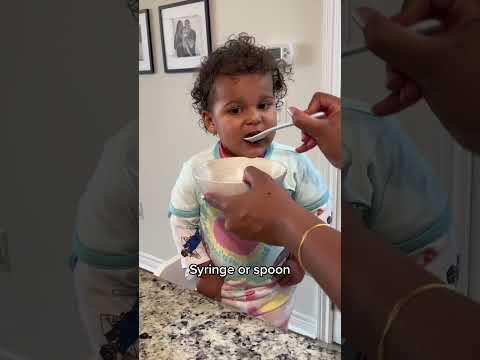
Hiccups can be just as puzzling for parents as they are for babies. When your little one starts to hiccup, it can feel alarming, especially when you’re unsure about the cause or how to help. Hiccups in babies are common and usually nothing to worry about. They often occur after feeding, when a baby swallows air along with their milk.
Managing these tiny spasms doesn’t need to be a source of stress. There are simple and gentle approaches you can try at home that may calm your baby’s hiccups. From adjusting their feeding position to gentle patting on the back, you’ll discover various methods that some parents swear by.
However, while sharing tips on calming your baby’s hiccups seems helpful, it’s essential to approach this topic with care. Always remember that every baby is different; what works for one may not work for another. If you’re ever concerned about persistent hiccups or if they seem uncomfortable for your child, it’s wise to consult a healthcare professional.
Stay informed by reaching out to different specialists like pediatricians or lactation consultants and exploring various reputable resources available online or in print. Each expert can provide unique perspectives tailored to your baby’s needs. By gathering information from multiple sources, you empower yourself to make the best choices for your little one’s health and comfort.
The information provided in this article is intended solely for general informational and educational purposes. It does not constitute medical advice, diagnosis or professional treatment, and should not be considered a substitute for consultation with a qualified doctor or other licensed healthcare professional. Any health-related decisions should be made in consultation with accredited medical professionals.
While efforts have been made to ensure the information is accurate and up to date, no guarantees are given—either express or implied—regarding its accuracy, completeness, currency or suitability. Use of this information is at your own discretion.
It is strongly recommended to consult official sources such as the NHS (National Health Service) or other recognised medical institutions before acting on any information contained on this website or article. Under no circumstances should professional medical advice be ignored or delayed due to content read here.
This content is of a general and informational nature only. It is not intended to replace individualised guidance from a healthcare professional or to establish any doctor-patient relationship. The publication of this information does not imply any professional responsibility, guarantee or obligation on the part of the author or this site.
Quick and Easy Solutions to Soothe Your Little One’s Hiccups
Hiccups are pretty common, especially in little ones. They happen when the diaphragm— a muscle that helps with breathing— contracts suddenly. This can lead to that funny sound we all recognize.
Most of the time, hiccups don’t hurt or bother babies much. But as a parent, seeing your child hiccup may not be pleasant. Luckily, there are some simple tricks you can try to help ease them.
Here are some ideas:
Sometimes, it’s just about waiting it out. Hiccups usually resolve on their own after a few minutes.
A few things to remember:
Some causes of hiccups include over-eating, excitement, or eating too quickly. Keeping meals calm and relaxed might help prevent future episodes.
If your baby’s hiccups seem unusually persistent or cause discomfort, it’s wise to chat with someone who knows about children’s health. Always trust your instincts as a parent!
Understanding what hiccups are can make you feel more at ease during those moments when they strike.
Quick and Easy Tips to Soothe Your Little One’s Hiccups After Mealtime
Hiccups can be common for little ones, especially after mealtime. They happen when the diaphragm—a muscle that helps us breathe—contracts suddenly. This can lead to a cute but sometimes uncomfortable rhythm of hiccups.
Here are some quick and easy tips to help soothe your baby’s hiccups:
It’s important not to worry too much about hiccups—they are usually harmless and go away on their own. If they seem excessively bothersome or last for a long time, chatting with someone knowledgeable is a good idea.
Remember, every child is different, so what works for one might not work for another. Experimenting gently with these tips can lead you to find what comforts your little one best!
Quick and Effective Tips to Soothe Your Little One’s Hiccups
Hiccups in little ones can be pretty common and often harmless. It’s important to know that they usually go away on their own. But if you’d like to help soothe your child, there are some simple tips you can try.
First, keep an eye on how they’re eating. Sometimes, babies gulp air while feeding or drinking. This can lead to hiccups. You might want to pause during feedings for burping.
Hydration is key too. If your little one is old enough for water, offering a few sips might help ease those hiccups.
. Wrapping your baby snugly in a blanket can provide comfort and may help relax them.
Another method is gentle movement. Holding your baby upright and gently rocking them can sometimes distract from the hiccups.
Distraction also works well with older kids. Engaging them in a fun activity or singing a song might take their mind off the hiccups.
Some parents find success with breath control techniques. For toddlers, you could encourage them to take deep breaths or blow bubbles as a playful way to calm down.
If you’re worried about frequent or prolonged hiccups, it’s always good idea to check in with someone who knows more about children’s health.
Remember, these are just tips you can try at home. Each child is different, so what works for one may not work for another. Staying calm and patient is the best approach!
Hiccups in babies can be a common and sometimes puzzling phenomenon for new parents. It’s important to recognize that while hiccups may seem alarming, they are usually harmless and part of normal development. Understanding the cause can ease parental stress.
This is similar to how adults might feel discomfort after gulping down a drink too fast. While it may be challenging to prevent every instance of hiccuping, there are simple strategies that can help.
Some effective solutions include:
These methods promote comfort for both the baby and the caregiver. Remembering that hiccups generally resolve on their own can provide reassurance during those moments of uncertainty.
It’s crucial for parents to observe their baby’s overall comfort. If hiccups persist or seem unusual, seeking advice from a healthcare professional is wise. Always prioritize informed decision-making based on reliable information, fostering a trusting relationship between caregivers and health experts.