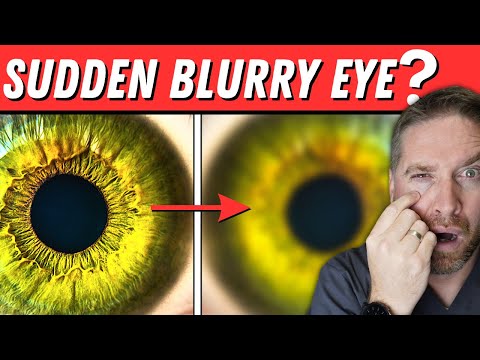
Cataracts might sound like a complicated medical term, but they are a common eye condition that affects millions of people worldwide. Imagine looking through a foggy window; that’s similar to how cataracts can make your vision appear—blurred and cloudy. They develop when the lens of your eye becomes cloudy, leading to difficulties in seeing clearly.
Understanding cataracts involves exploring their types, causes, and associated risks. There are various types of cataracts, each with its own characteristics. For instance, age-related cataracts are the most common, usually developing gradually as we grow older. Other types might be related to conditions such as diabetes or exposure to certain medications.
While many people experience cataracts in their lifetime, it’s essential to know what factors contribute to their development. Long-term UV exposure from sunlight and lifestyle choices such as smoking can increase risk.
However, knowledge is power! Understanding the nuances of cataracts helps you make informed health decisions and advocate for your eyesight.
**Warning:** While this introduction provides a brief overview of cataracts, it’s crucial not to rely solely on one source for information about your health. Consult various specialists and reputable media outlets to get a well-rounded understanding of this condition. Your vision matters—make sure you’re well-informed!
The information provided in this article is intended solely for general informational and educational purposes. It does not constitute medical advice, diagnosis or professional treatment, and should not be considered a substitute for consultation with a qualified doctor or other licensed healthcare professional. Any health-related decisions should be made in consultation with accredited medical professionals.
While efforts have been made to ensure the information is accurate and up to date, no guarantees are given—either express or implied—regarding its accuracy, completeness, currency or suitability. Use of this information is at your own discretion.
It is strongly recommended to consult official sources such as the NHS (National Health Service) or other recognised medical institutions before acting on any information contained on this website or article. Under no circumstances should professional medical advice be ignored or delayed due to content read here.
This content is of a general and informational nature only. It is not intended to replace individualised guidance from a healthcare professional or to establish any doctor-patient relationship. The publication of this information does not imply any professional responsibility, guarantee or obligation on the part of the author or this site.
Understanding the Different Types and Their Impact on Vision
Cataracts are a common eye condition that can affect your vision as you age. They occur when the lens of your eye becomes cloudy, making it difficult for light to pass through clearly. Understanding cataracts is crucial for maintaining good vision.
There are several types of cataracts, each with specific causes and effects on vision.
1. Age-related cataracts: These are the most common type. As we age, proteins in the lens start to break down, leading to cloudiness. This affects many older adults.
2. Congenital cataracts: Some people are born with cataracts due to genetic factors or intrauterine infections. Even if small, they can impact a child’s vision significantly.
3. Secondary cataracts: These develop after other health issues, like diabetes or long-term use of steroids. They can also form following surgeries for other eye conditions.
4. Traumatic cataracts: An injury to the eye can lead to this type of cataract, sometimes years after the incident occurs.
The impact of cataracts on vision varies from person to person but may include:
Cataract development is often gradual and may not be noticeable at first.
Several factors can contribute to the formation of cataracts:
– Age: The older you get, the higher your risk.
– Family history: Genetics play a role in your likelihood of developing them.
– Lifestyle choices: Smoking, excessive alcohol consumption, and poor diet may increase risk.
While these factors can’t always be controlled, understanding them helps in making informed lifestyle choices.
It’s important not to confuse cataract severity with blindness; many people live successfully with them for years before needing treatment.
If any changes in vision occur—like increasing difficulty seeing—it’s wise to consult an eye care professional who can provide guidance tailored specifically for you. Awareness and regular check-ups can make a big difference in managing your eyesight as you age.
Understanding the Factors That Can Cloud Your Vision
Many people experience changes in their vision as they age. One of the most common causes of these changes is cataracts. Understanding cataracts is key to knowing how they can affect your eyesight.
Cataracts occur when the lens of the eye becomes cloudy. Think of it like looking through a foggy window; everything appears blurry or hazy. This cloudiness can make everyday activities like reading or driving difficult.
There are several types of cataracts. The most common type is the age-related cataract, which develops gradually over time. Other types include congenital cataracts, which are present at birth, and secondary cataracts that may develop due to other health conditions or medications.
The exact cause of cataracts isn’t fully understood, but certain factors can increase your risk.
Symptoms of cataracts often develop slowly and may include blurred vision, difficulty seeing at night, and seeing halos around lights. If you notice these changes, it’s important to talk with someone about it.
Cataract surgery is a common treatment option that removes the cloudy lens and usually replaces it with an artificial one. While surgery might sound intimidating, it’s generally safe and effective.
It’s also important to note that not all vision problems are caused by cataracts. Conditions like glaucoma or macular degeneration can also lead to blurred vision. Therefore, getting regular eye check-ups is crucial for maintaining good eye health.
Don’t believe myths that suggest you can avoid surgery with special diets or supplements alone; evidence shows that these methods don’t effectively prevent surgery in most cases.
Being informed about cataracts helps you recognize signs early on. This way, you can make better decisions about your eye health and seek help when needed. Remember: if something feels off with your vision, don’t hesitate to reach out for professional guidance!
Discovering the Most Effective Solutions for Clearer Vision
Cataracts are a common vision problem, especially as people age. They occur when the lens of the eye becomes cloudy, leading to blurry or hazy vision. Understanding cataracts is the first step towards exploring effective solutions for clearer vision.
There are different types of cataracts. Age-related cataracts are the most common and develop slowly over time. Congenital cataracts can be present at birth, and secondary cataracts can form due to other conditions like diabetes or as a side effect of certain medications.
Several factors can increase the risk of developing cataracts. These include aging, exposure to sunlight, smoking, and chronic diseases like diabetes. Additionally, family history plays a role; if someone in your family has had cataracts, you might be more likely to develop them too.
Recognizing early symptoms is crucial for managing cataracts effectively. Common signs include blurred vision, difficulty seeing at night, and sensitivity to bright lights. If you notice these symptoms, it may be time to see an eye care professional.
When it comes to treatment options for cataracts, lifestyle changes can help at first. Eating a healthy diet rich in antioxidants might support eye health. Foods like leafy greens and fish contain nutrients that are beneficial for your vision.
If lifestyle changes aren’t enough, surgical options are available for clearer vision. Cataract surgery is quite common and involves removing the cloudy lens and replacing it with an artificial one. Most people experience significant improvement in their eyesight after this procedure.
It’s important to remember that surgery isn’t always necessary immediately. Your eye care professional can help you decide when it’s time based on how much your sight is affected.
Many myths surround cataract treatment too. Some people believe they can simply fix their sight with glasses or contacts forever—this isn’t always true if cataract progression is severe.
Regular eye exams become even more essential as we age or if we have risk factors for cataracts. Early detection often leads to better outcomes when seeking solutions for clearer vision.
In conclusion, understanding what cataracts are and recognizing their symptoms helps in making informed decisions about eye health. If you’re concerned about your eyes or have any symptoms mentioned here, reaching out for advice from an eye care professional is always a wise step forward!
Cataracts are a common eye condition that can significantly affect vision. Understanding the various types, causes, and associated risks is essential for informed health decisions.
There are several types of cataracts. The most common is the age-related cataract, typically developing as a result of aging. Other types include congenital cataracts, which are present at birth, and secondary cataracts caused by other health conditions or medications.
The primary cause of cataracts is the clouding of the lens in the eye. This clouding happens when proteins in the lens clump together, blocking light from properly passing through. Factors contributing to this process can include age, prolonged exposure to UV rays from sunlight, diabetes, smoking, and certain medications like corticosteroids.
While many people may develop cataracts as they age, not everyone will face severe vision impairment. Regular eye check-ups can help identify cataracts early on. If noticed in time, lifestyle changes such as wearing UV-blocking sunglasses or managing health conditions can delay their progression.
It’s crucial to debunk myths surrounding cataracts. For instance, many believe there’s no treatment for them; however, surgical options are available and highly effective when needed.
Understanding these elements prepares individuals to take proactive steps in maintaining their eye health. It encourages open conversations with healthcare providers about vision care and potential interventions as they approach later stages of life or face risk factors associated with cataract development.