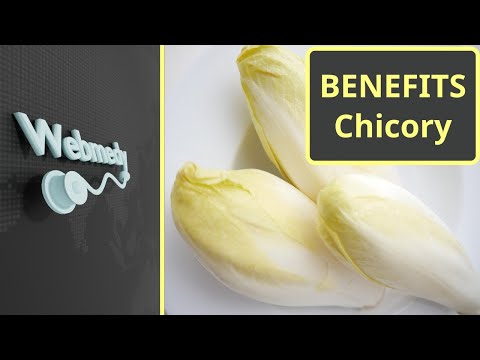
Chicory is a vibrant plant with a blue flower that has been used for centuries in various cultures. While often recognized for its leaves in salads, chicory’s roots are the real stars, prized for their potential health benefits. From supporting digestive health to enhancing coffee blends, this versatile herb offers intriguing possibilities.
But chicory isn’t without its complexities. Like any natural remedy or dietary addition, it carries potential risks and side effects that deserve attention. Understanding both the benefits and drawbacks is essential before making it part of your routine.
As you explore the fascinating world of chicory, remember to seek information from various specialists and reliable sources. It’s important to gather knowledge from multiple viewpoints to make informed choices about your health. Each individual’s experience can differ significantly; what works for one person may not suit another. Stay curious but cautious as you delve into the insights surrounding this remarkable plant.
The information provided in this article is intended solely for general informational and educational purposes. It does not constitute medical advice, diagnosis or professional treatment, and should not be considered a substitute for consultation with a qualified doctor or other licensed healthcare professional. Any health-related decisions should be made in consultation with accredited medical professionals.
While efforts have been made to ensure the information is accurate and up to date, no guarantees are given—either express or implied—regarding its accuracy, completeness, currency or suitability. Use of this information is at your own discretion.
It is strongly recommended to consult official sources such as the NHS (National Health Service) or other recognised medical institutions before acting on any information contained on this website or article. Under no circumstances should professional medical advice be ignored or delayed due to content read here.
This content is of a general and informational nature only. It is not intended to replace individualised guidance from a healthcare professional or to establish any doctor-patient relationship. The publication of this information does not imply any professional responsibility, guarantee or obligation on the part of the author or this site.
Uncovering the Hidden Drawbacks of This Popular Coffee Alternative
Chicory is gaining popularity as a coffee alternative. It’s often praised for its unique flavor and certain health benefits. However, there are hidden drawbacks that are important to consider.
First, let’s talk about taste. Chicory has a distinct flavor that might not be for everyone. Some people find it too bitter or earthy compared to coffee. If you decide to switch, your taste buds may need time to adjust.
Another issue is digestion. While some enjoy chicory for its potential digestive benefits, it can also cause bloating or gas in some individuals. This reaction is due to a type of fiber called inulin found in chicory root. Moderation is key here.
Additionally, chicory contains oxalates, which can pose problems for people prone to kidney stones. Oxalates can bind with calcium in the body, increasing stone formation risk.
Also, if you’re caffeine-sensitive, chicory may still affect you indirectly. People often mix it with coffee or consume it as part of herbal blends, which may still include caffeine.
It’s also essential to pay attention if you have allergies. Some individuals are allergic to plants in the same family as chicory, like ragweed or marigolds. Unexpected reactions might occur if one doesn’t realize this connection.
Moreover, while chicory is often marketed as a health booster, scientific evidence isn’t always strong for many claims being made about it.
Here’s a quick summary of some considerations on using chicory:
Finally, keep an open mind and do your research when considering any food alternative like chicory. Different people will experience different effects based on their unique bodies and health situations.
As always, reaching out for personalized advice from a knowledgeable source is wise when making significant dietary changes. Understanding what you consume plays an essential role in supporting your overall health journey.
Uncovering the Surprising Health Benefits and Risks of Chicory
Chicory is a plant that has been used for centuries. Its roots, leaves, and flowers have various uses, from coffee substitutes to salads. You might be surprised by the health benefits it offers, as well as some risks associated with its consumption.
First, let’s dive into the benefits. Chicory root is known for being rich in inulin. Inulin is a type of prebiotic fiber that helps support gut health. Think of it as food for your good gut bacteria.
Another fascinating aspect is chicory’s potential to aid digestion. It can help improve regularity in bowel movements. People often use it to reduce bloating and discomfort after meals.
Chicory may also have anti-inflammatory properties. This means it could help reduce inflammation in the body, which is linked to many chronic conditions.
Don’t forget about vitamins and minerals! Chicory leaves are packed with nutrients like vitamin K and folate. These are essential for bone health and cell function.
Now, let’s discuss some risks. Allergies are one point to consider. Some people may have allergic reactions to chicory or related plants like ragweed. Symptoms can range from skin rashes to respiratory issues.
Overconsumption of chicory root could lead to digestive upset too. Eating too much fiber suddenly can cause gas or bloating in some people.
Also, if you’re pregnant or breastfeeding, consulting with a healthcare provider before adding new foods or supplements like chicory is wise.
Lastly, remember that chicory contains compounds that could interfere with certain medications. This includes blood thinners or diabetes medications.
In conclusion, chicory offers exciting benefits alongside some noteworthy risks. Like any other food or supplement, understanding both sides can lead you toward informed decisions about including it in your diet.
Exploring the Benefits and Risks of Daily Chicory Consumption
Chicory is a plant often used for its roots and leaves. Many people enjoy it as a coffee substitute or as an ingredient in salads. Understanding chicory can help you make informed choices.
Benefits of Daily Chicory Consumption:
Risks Associated with Daily Chicory Consumption:
A Few Insights to Consider:
Chicory has been used traditionally for centuries, not just as food but also for its supposed health benefits. However, not all the claims have strong scientific backing.
Think about how you consume chicory. If you’re drinking chicory coffee daily or adding it to meals, monitor how your body responds.
It’s always a good idea to talk with someone knowledgeable about nutrition if you’re making significant changes to your diet.
In summary, daily consumption of chicory can offer benefits like improved digestion and antioxidant support but comes with potential risks too. Balancing both sides is key for making informed decisions about including it in your diet.
Chicory is a plant that often surprises those who discover its many uses and benefits. Typically known for its blue flowers and as a coffee substitute, chicory has much more to offer.
Benefits: Chicory roots are rich in inulin, a type of dietary fiber that supports digestive health. It acts as a prebiotic, promoting the growth of beneficial gut bacteria. Additionally, chicory has anti-inflammatory properties, which can contribute to reduced risk of chronic diseases.
On the flavor side, chicory is often roasted and used in beverages to impart a deep, rich taste without caffeine. This makes it an appealing option for those seeking alternatives to traditional coffee.
Risks: While chicory is generally safe for most people, some may experience digestive discomfort, including gas or bloating. Those with ragweed allergies should also be cautious as chicory can trigger allergic reactions.
Fascinating Insights: Chicory has been used medicinally for centuries. Historically, it was valued not just for its flavor but also for its potential health benefits. In addition to its culinary uses, chicory’s leaves are edible and can be found in salads or cooked dishes.
In summary, while chicory offers multiple health benefits and intriguing uses, it’s essential to enjoy it mindfully and understand potential risks. Staying informed allows us to make choices that enhance our well-being while enjoying the richness of natural foods like chicory.