The information provided in this article is intended solely for general informational and educational purposes. It does not constitute medical advice, diagnosis or professional treatment, and should not be considered a substitute for consultation with a qualified doctor or other licensed healthcare professional. Any health-related decisions should be made in consultation with accredited medical professionals.
While efforts have been made to ensure the information is accurate and up to date, no guarantees are given—either express or implied—regarding its accuracy, completeness, currency or suitability. Use of this information is at your own discretion.
It is strongly recommended to consult official sources such as the NHS (National Health Service) or other recognised medical institutions before acting on any information contained on this website or article. Under no circumstances should professional medical advice be ignored or delayed due to content read here.
This content is of a general and informational nature only. It is not intended to replace individualised guidance from a healthcare professional or to establish any doctor-patient relationship. The publication of this information does not imply any professional responsibility, guarantee or obligation on the part of the author or this site.
Have you ever noticed how wearing a bright yellow shirt can lift your spirits? Or how gazing at the deep blue ocean calms your mind? Color plays a significant role in our emotions and well-being. It’s fascinating, isn’t it?
Color therapy, also known as chromotherapy, is a holistic approach to healing using colors to influence mood and health. Imagine walking into a room painted in soft pastels versus one with bold reds; the feelings are totally different! This article dives into how various colors can affect your mental state.
Understanding color therapy could be the key to transforming your daily routine. It might help you feel less stressed or more energized. And hey, it’s not just about pretty walls or trendy outfits. It’s about harnessing the power of color for emotional balance.
Of course, this information doesn’t replace professional medical advice—it’s essential to talk with a healthcare provider regarding any health concerns you may have. Health decisions shouldn’t be made solely based on this article; consider it as one piece of your wellness puzzle.
Unlocking the Healing Power of Colors for Better Health
Understanding Color Therapy
Color therapy, also known as chromotherapy, is an alternative healing method that uses colors to enhance physical and emotional well-being. You might be wondering how a simple hue can make a difference in your life.
The idea is that each color has its own unique vibration or energy. For example, warm colors like red and orange are often linked to feelings of warmth and excitement. On the other hand, cooler colors like blue and green are associated with calmness and serenity.
The Science Behind It
While color therapy isn’t widely recognized in mainstream medicine, some research suggests that colors can influence mood and emotions. It’s like thinking about how you feel in different settings; a bright yellow room might lift your spirits while a gray one could feel gloomy.
Some studies have shown that certain colors can even have physiological effects on the body. For instance, exposure to blue light can help regulate sleep patterns by influencing melatonin levels. You know, that sleepy hormone we all need at night?
How Does It Work?
In practice, color therapy can involve visualizing particular colors or surrounding yourself with specific hues through decor or clothing. Imagine sitting down to meditate while focusing on a soothing shade of green. You may find it helps you relax.
Sessions might also use colored lights or fabrics placed around the body to target areas needing attention. Think of it like creating a cozy bubble where you’re more likely to feel better.
The Emotional Link
Certain colors have been shown to evoke specific emotional responses. For example:
- Red: Often linked to energy and passion.
- Blue: Known for promoting peace and clarity.
- Yellow: Associated with happiness and cheerfulness.
- Purple: Linked to spirituality and creativity.
Your Personal Experience
If you’re curious about color therapy, try observing how different colors affect your mood throughout the day. Perhaps wearing bright clothes makes you feel lively? Or maybe spending time in nature, surrounded by greens, gives you peace?
A Word on Balance
No method works the same for everyone; what lifts one person up may not work for another. It’s all about personal connection—finding what resonates with you individually is key!
Cautionary Thoughts
If you’re considering color therapy as part of your wellness routine, remember it’s meant to complement traditional treatment methods rather than replace them. Always approach health holistically—mindfulness plays a role too!
A Final Note
You know? Healing isn’t just about pills or potions; sometimes it’s about perspective too! So if incorporating some colorful elements into your environment makes you smile or feel at ease—that’s already a win!
Unlock the Healing Power of Colors for Your Mind and Body
Understanding Color Therapy
Color therapy, or chromotherapy, is the idea that colors can affect our mood and well-being. Pretty fascinating, right? It’s based on the belief that different colors have different energies. Just like how a sunny day can brighten your spirits, certain colors might influence how you feel.
The Basics of Colors and Feelings
Think about it: red often symbolizes energy and passion. You know how wearing a bright red shirt at a party might make you feel more vibrant? On the flip side, blue can evoke calmness and peace. Many people find that looking at blue skies or oceans makes them feel relaxed.
How Does This Work?
The science behind color therapy isn’t fully explained yet, but researchers are looking into it. Some studies suggest that exposure to certain colors can change brainwave patterns or even hormone levels. Sounds like something out of a sci-fi movie! However, results are varied depending on the individual.
Using Color in Your Environment
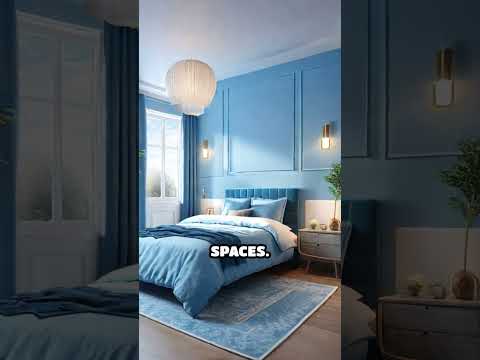
You don’t need to overhaul your whole house to benefit from color therapy. Small changes can impact your mood greatly! For instance, painting a room in soft yellows may create an uplifting atmosphere. Or, consider adding some green plants; they’re soothing and bring nature indoors.
Examples in Daily Life
- Feeling anxious? Surrounding yourself with calming blues might help.
- If you’re feeling lethargic, try incorporating orange hues; they’re often associated with enthusiasm.
- If you’re trying to focus more while studying or working, shades of green could potentially enhance concentration.
A Personal Touch
Your personal experiences with color matter too—what works for one person might not work for another. Remember that time when you felt happy just by seeing purple flowers? That’s part of your unique response to color!
Merging Colors With Other Therapies
Some people combine color therapy with other wellness practices like aromatherapy or meditation. It’s all about finding what resonates with you personally; maybe meditating near a window filled with sunlight feels rejuvenating for you?
Final Thoughts on Color Therapy
While color therapy isn’t a replacement for professional treatment or medicine, it can be an interesting addition to your self-care routine. Think of it as another tool in your toolbox of wellness strategies! Experimenting could reveal surprising effects on your mood and mindset over time.
You know, sometimes just being aware of the impact colors have on us opens new pathways for healing and happiness! So next time you’re feeling off balance—or even overwhelmed—consider surrounding yourself with the vibrant energy found in colors around you!
Unlock Inner Harmony Through the Healing Power of Your Hands
Understanding Color Therapy
Color therapy, also known as chromotherapy, is based on the idea that colors can influence our mood and energy levels. You know, when you see bright yellow, it often makes you feel happy? That’s the kind of concept we’re talking about. Each color is believed to resonate with different energies.
The Basics of Color Influence
Each color has its own vibe or ‘frequency’. For example:
- Red: Often associated with passion and energy.
- Blue: Can create feelings of calmness and peace.
- Green: Represents nature and balance.
- Yellow: Tends to evoke optimism and cheer.
This isn’t just some new-age idea; there’s actually some research out there suggesting that colors can affect our brain chemistry. When we see a specific color, our brain might trigger emotional responses tied to memories or cultural meanings.
How Does It Work?
You might wonder how it all comes together, right? In practice, color therapy can be done through various means like colored lights, fabrics, or even visualizations. Imagine sitting in a room bathed in soft blue light while listening to calming music—that’s a popular approach.
An Example in Real Life
Picture this: you’re feeling overwhelmed after a busy day. You decide to unwind in your living room filled with soft greens and blues. Maybe you light some tealight candles that cast gentle shadows. The environment can already change your mood! You’re not just using the colors—they’re creating an atmosphere that promotes relaxation.
The Healing Power of Your Hands
The hands are quite interesting too! Some believe they can channel healing energy through touch—this idea is often combined with color therapy practices. Think about how a simple hug from someone can lift your spirits; it’s similar when touch is involved in healing therapies alongside colors.
Skepticism Is Okay!
Look, while many people find comfort and peace through these methods, it’s important to remember that experiences vary widely. Not everyone will feel the same benefits from using color or touch for wellness purposes. Listening to your own body’s response is key!
Your Journey Towards Inner Harmony
If you’re curious about integrating color into your life for mood improvement—go ahead and experiment! Try surrounding yourself with certain colors at home or wearing clothes that make you feel good.
This journey isn’t about finding a magic solution but rather discovering what resonates with you personally. It’s important to keep an open mind while also being critical about what works best for you.
A Final Thought
Ultimately, unlocking inner harmony involves understanding yourself better—colors are simply one tool on this path. Explore them gently; find joy in learning what helps you feel balanced!
Color Therapy: A Bright Path to Mood Improvement and Wellness
Color therapy, or chromotherapy, is an intriguing approach that uses colors to influence mood and promote wellness. It’s based on the idea that different colors can trigger various emotional responses. For instance, warm colors like red and yellow might evoke feelings of energy and happiness, while cool colors like blue can create a sense of calmness.
This concept isn’t just about how colors look; it taps into our psychological associations with them. You know how seeing a sunny yellow might make you smile? That’s the essence of color therapy. It seeks to harness these reactions for better mental health.
A practical example would be using blue light for people suffering from seasonal affective disorder (SAD). The bright light can mimic sunlight, helping to elevate mood during those long winter months. Many people report feeling more energized and focused when exposed to certain colors in their environments.
However, it’s essential to approach color therapy with a critical eye. While some individuals find it beneficial as a complementary technique, it shouldn’t replace professional treatment for mental health issues. Always consider combining therapies with traditional methods for the best outcomes.
Overall, color therapy presents an interesting blend of art and psychology that has potential benefits worth exploring— but with proper caution and realistic expectations.