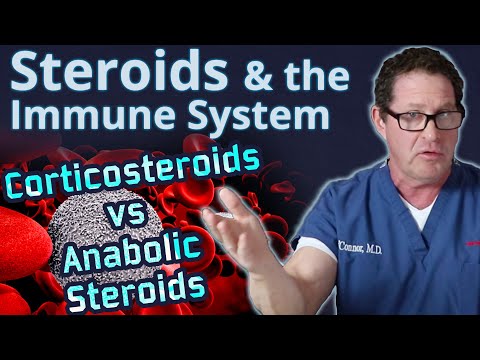
When navigating the world of steroids, it’s crucial to understand the two main types: corticosteroids and anabolic steroids. At first glance, they may seem similar, but they serve very different purposes in the body.
Corticosteroids are often prescribed by healthcare providers to help reduce inflammation and manage conditions like asthma or arthritis. On the other hand, anabolic steroids are sometimes misused to enhance muscle growth and athletic performance. However, both types come with their own set of potential side effects that can impact overall health.
Understanding these differences is not just academic; it’s a matter of making informed health decisions. Curious about how these substances affect your body? Let’s dive deeper into their side effects.
**Warning**: While exploring corticosteroids and anabolic steroids can be enlightening, it’s essential to approach this information responsibly. Misuse or misunderstanding can lead to significant health risks. Always consult with healthcare professionals and seek information from trusted sources before making decisions related to steroid use. Knowledge is your best tool for ensuring your health remains a priority!
The information provided in this article is intended solely for general informational and educational purposes. It does not constitute medical advice, diagnosis or professional treatment, and should not be considered a substitute for consultation with a qualified doctor or other licensed healthcare professional. Any health-related decisions should be made in consultation with accredited medical professionals.
While efforts have been made to ensure the information is accurate and up to date, no guarantees are given—either express or implied—regarding its accuracy, completeness, currency or suitability. Use of this information is at your own discretion.
It is strongly recommended to consult official sources such as the NHS (National Health Service) or other recognised medical institutions before acting on any information contained on this website or article. Under no circumstances should professional medical advice be ignored or delayed due to content read here.
This content is of a general and informational nature only. It is not intended to replace individualised guidance from a healthcare professional or to establish any doctor-patient relationship. The publication of this information does not imply any professional responsibility, guarantee or obligation on the part of the author or this site.
Unpacking the Distinct Roles and Effects of Two Powerful Steroids
Corticosteroids and anabolic steroids are two powerful substances that can significantly impact the body. Although they share a similar name, their roles and effects are quite different.
Corticosteroids are hormones produced by the adrenal glands. They help regulate various bodily functions, including metabolism and immune response. Think of them as your body’s natural stress managers.
On the other hand, anabolic steroids are synthetic versions of testosterone, a male sex hormone. Their main role is to promote muscle growth and enhance physical performance. Imagine them as tools for building muscle rather than managing stress.
Corticosteroids can be used to treat conditions like asthma, arthritis, and autoimmune diseases. They help reduce inflammation in the body, which can provide relief from symptoms.
However, long-term use of corticosteroids can lead to side effects. These may include weight gain, mood swings, and weakened bones. It’s like having too much of a good thing – it can backfire.
Anabolic steroids, while popular in sports for muscle gain, come with serious risks too. Side effects might include liver damage, increased risk of heart disease, and hormonal imbalances. They can also cause psychological effects like aggression or mood swings.
It’s important to note that both types of steroids should only be used under medical supervision when needed. Misuse or overuse poses significant health risks.
Key points:
Understanding these distinctions helps clarify their roles in health and fitness. Always approach steroid use with caution and informed awareness.
Uncovering the Hidden Risks of Common Medications
Medications can be lifesavers, but they often come with risks that aren’t always talked about. Two types of steroids, corticosteroids and anabolic steroids, illustrate this well. Each has its own set of potential side effects, which can be serious.
Corticosteroids are commonly prescribed for inflammation and autoimmune conditions. While they can help manage symptoms effectively, long-term use can lead to several complications.
On the other hand, anabolic steroids are often misused to enhance athletic performance or physique. The side effects here can be more pronounced and harmful.
It’s important to remember that not everyone will experience these side effects. Individuals react differently based on genetics, lifestyle, and other health conditions.
Many believe that if a medication is prescribed by a healthcare provider, it must be completely safe. This isn’t always true. Even common medications have hidden risks.
Always talk openly with your healthcare provider about the pros and cons of any medication you’re considering. Asking questions helps you understand how it fits into your overall health plan.
Being informed empowers you to make better choices for your health. After all, knowledge is key in navigating complex medical topics like these!
Understanding the Key Differences in Treatment Approaches
Corticosteroids and anabolic steroids are often discussed together, but they serve very different purposes in medicine and athletics. Understanding these differences is important for making informed decisions about health.
Corticosteroids are a type of medication that mimics hormones produced by the adrenal glands. They are commonly used to reduce inflammation and suppress the immune system. Think of them as a fire extinguisher putting out an inflammatory fire in the body.
On the other hand, anabolic steroids are synthetic versions of testosterone. They primarily promote muscle growth and enhance physical performance. Imagine them as a fertilizer that accelerates plant growth.
The side effects of corticosteroids can be quite concerning. Long-term use may lead to weight gain, high blood sugar, mood swings, and weakened bones. It’s like wearing heavy shoes; while they might help you walk better temporarily, over time they strain your feet.
Anabolic steroids also come with significant risks. These can include liver damage, heart problems, aggression issues, and hormonal imbalances. Using them can be tempting for muscle gain but might be like building a house on quicksand—looks great at first but is fundamentally unstable.
When considering treatment options or performance enhancement methods, it’s crucial to weigh the benefits against these side effects. Always ask yourself: Is the short-term gain worth the long-term consequences?
If you’re prescribed corticosteroids for a medical issue, it’s usually because their benefits outweigh potential risks when managed correctly. A healthcare provider will guide you on safe usage.
With anabolic steroids often associated with sports and fitness culture, it’s essential to remember that their non-medical use can have serious health implications. Many athletes feel pressured to use them despite knowing the risks involved.
In conclusion, while both corticosteroids and anabolic steroids have their place in treatment or enhancement contexts, understanding their key differences helps empower better health choices.
Educating yourself on these topics is vital for making responsible decisions that will benefit your long-term health.
Corticosteroids and anabolic steroids are often confused due to their similar names, but they serve distinct purposes and have different effects on the body.
Corticosteroids are medications that mimic hormones produced by the adrenal glands. They are primarily used to reduce inflammation and suppress the immune system. Common side effects include weight gain, mood swings, increased blood sugar levels, and long-term use can lead to osteoporosis or adrenal insufficiency. Think of corticosteroids as a fire extinguisher; they put out inflammation but can create problems if not used carefully.
On the other hand, Anabolic steroids are synthetic substances related to male sex hormones, mainly testosterone. They promote muscle growth and recovery but come with a host of serious side effects. These can include liver damage, cardiovascular issues, hormonal imbalances leading to infertility or breast development in men, and psychiatric effects like aggression or depression. Imagine anabolic steroids as a turbocharger for muscle growth; while they can enhance performance short-term, misuse can lead to severe long-term damage.
Understanding these differences is crucial for making informed health decisions. Always consult healthcare professionals before starting any steroid treatment, whether corticosteroid or anabolic. Responsible use is key to achieving benefits without exposing oneself to adverse effects. Being aware of these nuances empowers individuals to seek appropriate treatments while minimizing health risks.