The information provided in this article is intended solely for general informational and educational purposes. It does not constitute medical advice, diagnosis or professional treatment, and should not be considered a substitute for consultation with a qualified doctor or other licensed healthcare professional. Any health-related decisions should be made in consultation with accredited medical professionals.
While efforts have been made to ensure the information is accurate and up to date, no guarantees are given—either express or implied—regarding its accuracy, completeness, currency or suitability. Use of this information is at your own discretion.
It is strongly recommended to consult official sources such as the NHS (National Health Service) or other recognised medical institutions before acting on any information contained on this website or article. Under no circumstances should professional medical advice be ignored or delayed due to content read here.
This content is of a general and informational nature only. It is not intended to replace individualised guidance from a healthcare professional or to establish any doctor-patient relationship. The publication of this information does not imply any professional responsibility, guarantee or obligation on the part of the author or this site.
Have you ever felt overwhelmed trying to juggle your responsibilities and still prioritize your health? You’re not alone. Many people struggle with finding the right balance, especially when it comes to something as crucial as pumping schedules for breast milk or medication. Did you know that an effective pumping schedule can significantly impact both your well-being and your baby’s health? It’s true!
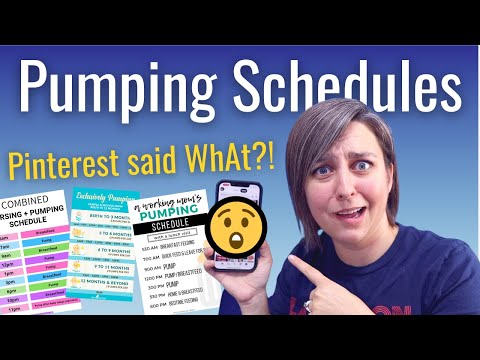
This article is all about creating effective pumping schedules that work for you. We’ll cover why it’s important, how to set one up, and what factors to consider along the way. It matters because a good schedule can help ensure you’re producing enough milk or managing medications properly while also taking care of yourself.
Remember, though, this content won’t replace medical advice. Health decisions shouldn’t be made based solely on what you read here. It’s always best to consult with a healthcare professional who understands your individual needs.
Let’s dive in and make this whole process smoother for you!
A Practical Guide to Keeping Your Newborn Fed and Happy
Understanding Breastfeeding and Pumping
When you have a newborn, feeding is a top priority. Breastfeeding is wonderful; it creates a bond and provides essential nutrients. But what if you need to pump? Well, that’s totally normal too.
Pumping can help parents share the feeding load. It also allows you to keep breastfeeding even when you’re not around. You see, breast milk can be stored for later use, which is pretty handy during busy times or when you’re away.
Creating an Effective Pumping Schedule
A pumping schedule sounds fancy, but it’s really about finding what works best for you and your baby. Think of it like creating a rhythm in your day. Starting with pumping every 2-3 hours is common. This mimics how often babies usually feed.
Your body adjusts over time. So if you notice that you’re producing more milk than needed, you can alter your schedule accordingly. It’s all about listening to your body and adapting.
Timing Is Everything
Timing matters! A great time to pump might be right after breastfeeding or when you’re feeling full—this helps ensure good production levels. Some parents find they produce more milk during morning hours too!
Try not to stress if things aren’t perfect from the start; every parent has different experiences. The key? Consistency over time.
Pumping Techniques Matter
The way you pump can influence how much milk you get too. If just using a hand pump feels tiring, consider trying an electric one—it may make things easier for ya!
Also, make sure the pump fits well; an incorrect fit can cause discomfort and reduce milk output.
Sneaky Storage Tips
You might wonder about storing that precious breast milk—where does it go? Proper storage is simple! Use clean bottles or bags specifically designed for breast milk.
- Fridge: lasts up to 4 days
- Freezer: lasts for about 6 months
- A deep freezer: even longer at around 12 months!
Dating your containers helps avoid confusion later on.
Pumping On-the-Go?
If life keeps pulling at you, pumping while out doesn’t have to be tough! Many brands offer portable pumps now that work with batteries or plug into cars.
You’ll need privacy though; many mothers use nursing covers or find quiet places like their car or private rooms in public places.
The Emotional Side of Pumping
You’re doing something amazing for your baby no matter how it’s done! Just be kind to yourself through this journey as every drop counts—you got this!
Boost Your Output with a Smart Pumping Plan
Pumping milk can sometimes feel like a juggling act. You want to make sure your baby gets enough, while also keeping up with your schedule. So, let’s talk about how to create an effective pumping plan that works for you.
Understanding Your Needs
First off, it’s important to recognize your own needs and goals. Are you pumping to build a stash for when you’re away from the baby? Or maybe you’re trying to increase supply. Knowing this helps in making a plan.
Establishing a Routine
Creating consistency is key. Think about when you can realistically pump each day. Some parents find early mornings or late evenings work best. Just find what fits into your day.
Pacing Your Sessions
During each pumping session, aim for about 15–20 minutes. This might seem short, but it’s often enough time to get what you need without overwhelming yourself. It’s kind of like running—short bursts can be super effective!
Listening to Your Body
Pumping isn’t one-size-fits-all. Some days might require more time or frequency, while others less so. If you’re feeling drained or anxious about it, that’s a signal! Don’t hesitate to adjust your schedule as needed.
The Power of Hydration
You know how athletes always hydrate? Well, the same goes for pumping! Staying well-hydrated can really help with milk production. Try to keep a water bottle nearby when you’re pumping.
Keeping It Comfortable
A comfortable setting makes all the difference. Whether it’s soft lighting or some music in the background, creating an inviting space can help stimulate let-down—kind of like how being cozy at home makes us feel relaxed.
Monitoring Your Supply
This is essential too! Keep track of how much you’re pumping over time—you might notice trends here and there which inform any changes needed in your routine.
Incorporating Support
- Share your plans with family or friends who support you.
- If possible, have someone else handle baby duty during your sessions.
- A little encouragement goes a long way!
Coping With Challenges
If ever there are bumps along the way—like low supply days—it helps to remember that this happens sometimes and doesn’t mean you’re doing anything wrong! Adjusting expectations is part of the journey.
Final Thoughts
Pumping doesn’t have to be just another obligation; it can be adapted into something that works for you and gives peace of mind about feeding your little one!
Your Month-by-Month Guide to Effortless Pumping Success
Pumping milk can be a bit daunting, right? But with the right approach, it can become a smooth and efficient process. Let’s talk about how to create effective pumping schedules each month for better health for both you and your baby.
Month 1: Establishing a Routine
The first month is all about getting comfortable with pumping. Start by pumping at the same times you would normally nurse your baby. It helps to make a schedule that fits into both your lives. You know, consistency is key here!
Try to pump every 2-3 hours during the day. This mimics how often babies feed and helps stimulate milk production.
Month 2: Finding Your Flow
By month two, you might feel more at ease. It’s time to notice which times work best for you. Are there certain hours when you seem to produce more milk? Keep track of that! Some people find they have a “peak” time during the morning.
Don’t rush things though, it’s all about patience while figuring things out.
Month 3: Mix it Up
If you’re feeling adventurous, try varying your pump techniques! For example, use different flange sizes if you’re not super comfortable yet; this could really help with efficiency. Sometimes small adjustments make all the difference.
You could even experiment with hands-free bra options that allow you some freedom while pumping.
Month 4: Streamlining Your Process
This is where workflow meets finesse! Find ways to minimize setup times so you can get in and out quickly—perhaps having your pump already cleaned and ready can save precious minutes.
- Clean parts before bed so they’re ready for use in the morning.
- Keeps snacks or drinks nearby so you’re fueled up while doing it!
Month 5: Staying Flexible
Your life might’ve changed a bit since starting this journey! As baby grows, feeding demands shift too. Adjust your schedule as necessary—you don’t always have to stick strictly to what worked before!
Sometimes life gets in the way, and that’s okay; being adaptable is really helpful here.
Month 6: Monitoring Supply
If you’ve noticed any changes in supply or comfort while pumping by now, take note of those feelings. Regularly evaluate how you’re doing—are there times you’re feeling overwhelmed? Just remember it’s perfectly normal! Share with friends or family if needed; talking helps!
Beyond Month 6: Connecting with Others
You’re not alone on this journey; many others are going through similar experiences! Consider joining groups online or talking with other parents who are also pumping. It’s encouraging knowing others are there for support or ideas!
The thing is—every parent’s journey differs greatly from one another’s but maintaining an open mind will always help along the way!
Creating effective pumping schedules is essential for those who are breastfeeding or using breast milk for their babies. It’s not just about convenience; it’s also about optimizing health for both the parent and the child.
When parents establish a consistent pumping routine, they can ensure an adequate milk supply. This is important because milk production operates on a supply-and-demand basis. The more you pump, the more milk your body is likely to produce. You know, think of it like watering a plant—regular care leads to growth.
Sometimes, life gets busy, and it might feel overwhelming to stick to a schedule. But here’s the thing: setting specific times throughout the day helps create a rhythm, which can ease anxiety around feeding times. Plus, it allows parents to monitor their output more effectively.
Effective schedules can also help prevent issues like engorgement or mastitis. Engorgement is when your breasts become overly full and uncomfortable, while mastitis is an infection that can occur if milk isn’t drained properly. Regular pumping mitigates these risks.
Don’t forget about the emotional aspect too! Parents often feel empowered when they have control over their breastfeeding journey through planned pumping sessions. It fosters a connection with the baby, knowing they’re providing nourishment even while away.
An adaptable approach works best; sometimes you might need to adjust based on baby’s needs or personal schedule changes. Flexibility ensures that both parent and baby can thrive without undue stress.
In essence, creating effective pumping schedules isn’t just about logistics—it’s foundational for promoting better health outcomes for both parent and child in this transformative phase of life.