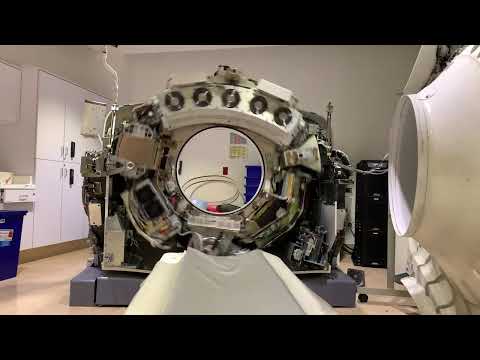
When it comes to medical imaging, CT scans and MRIs are like two different tools in a toolbox, each designed to do specific jobs. If you’ve ever wondered how doctors see inside your body without making a single cut, you’re on the right track! Both CT scans and MRIs help visualize organs, tissues, and structures, but they work in unique ways.
CT scans use X-rays and are particularly good at capturing images of bones and organs quickly. Think of it as taking snapshots from different angles around your body. On the other hand, MRIs employ strong magnets and radio waves to create detailed images of soft tissues. Picture a high-definition video capturing everything in real-time.
However, understanding when to use one over the other is crucial for making informed health decisions. While both have their advantages, they also come with considerations regarding safety and efficacy.
It’s essential to remember that every person’s health situation is unique. The choice between a CT scan and an MRI should be tailored by healthcare professionals based on individual needs. Always consult with different specialists who can provide insights based on your specific circumstances.
In today’s information age, be cautious about where you get your health information. Not all sources are reliable, so seek out credible media or expert opinions before making any decisions regarding imaging tests or treatments. Knowledge is power—stay curious!
The information provided in this article is intended solely for general informational and educational purposes. It does not constitute medical advice, diagnosis or professional treatment, and should not be considered a substitute for consultation with a qualified doctor or other licensed healthcare professional. Any health-related decisions should be made in consultation with accredited medical professionals.
While efforts have been made to ensure the information is accurate and up to date, no guarantees are given—either express or implied—regarding its accuracy, completeness, currency or suitability. Use of this information is at your own discretion.
It is strongly recommended to consult official sources such as the NHS (National Health Service) or other recognised medical institutions before acting on any information contained on this website or article. Under no circumstances should professional medical advice be ignored or delayed due to content read here.
This content is of a general and informational nature only. It is not intended to replace individualised guidance from a healthcare professional or to establish any doctor-patient relationship. The publication of this information does not imply any professional responsibility, guarantee or obligation on the part of the author or this site.
Discovering the Unique Insights of CT Scans Compared to MRIs
When it comes to medical imaging, CT scans and MRIs are two common tools used to view the inside of our bodies. Each has its own strengths and weaknesses, which makes understanding them important for informed decisions.
CT, or computed tomography, uses X-rays to create detailed images. Think of it as taking many pictures of your body from different angles. Then a computer stitches them together to form a cross-section view. This is great for visualizing bones and detecting injuries like fractures or bleeding.
On the other hand, MRI stands for magnetic resonance imaging. It uses powerful magnets and radio waves instead of X-rays. Imagine being surrounded by a giant magnet that can see the soft tissues in your body very clearly. This makes MRI excellent for examining organs, muscles, and brain structures.
Key Differences:
That said, both imaging methods complement each other rather than replace one another. For instance, a doctor might choose a CT scan first when quick results are needed in an emergency setting.
It’s also worth noting that some patients may have metal implants or certain health conditions that could prevent them from having an MRI. In such cases, a CT scan might be the safer option.
Understanding these differences helps you have meaningful conversations with healthcare providers about what’s best for you in any given situation. Remember, each test serves its purpose based on what needs investigation.
In summary, while both CTs and MRIs are valuable tools in modern medicine, knowing their unique insights can help guide decisions regarding diagnosis and treatment options. Educated discussions about these options can empower patients in their healthcare journeys.
Choosing the Right Imaging for Optimal Nerve Damage Diagnosis
When it comes to diagnosing nerve damage, imaging plays a crucial role in understanding what’s going on inside your body. Two common types of imaging are CT scans and MRIs. Both have their unique strengths and weaknesses.
CT Scans, or computed tomography scans, use X-rays to create detailed images of the body. They are quick and can take just a few minutes. This makes them great for emergencies, like when there is a need to quickly assess an injury.
On the other hand, MRIs, or magnetic resonance imaging, use strong magnets and radio waves. They provide much clearer images of soft tissues like nerves, muscles, and ligaments. This is why MRIs are often preferred when looking for nerve damage.
When choosing which imaging to use, consider what your healthcare provider suspects might be wrong. If there is trauma to bones or fractures involved, a CT scan might be the right choice. For issues related to nerves or muscles, an MRI usually gives a better picture.
It’s also important to think about your individual situation. For example, people who have metal implants can’t get MRIs because of the magnetic field used.
Another point is cost and availability. Sometimes one option may be more accessible than the other based on facility resources or insurance coverage.
Think of it like picking tools for different jobs: a hammer works perfectly for nails but isn’t so great for screws; similarly, CTs are excellent for certain conditions while MRIs shine in others.
Before any procedure, discussing your options with a healthcare provider is key. They can help clarify which method suits your specific needs best. Always remember that informed decisions lead to better health outcomes!
Exploring the Tight Spaces: A Deep Dive into MRI and CT Scan Experiences
When it comes to medical imaging, MRI and CT scans are two of the most common tools. Both serve critical roles in diagnosing health conditions. However, their experiences and purposes can be quite different.
MRI, or magnetic resonance imaging, uses magnets and radio waves to create detailed images of organs and tissues. Imagine a giant magnet that takes pictures as you lie still inside a tube. It can feel tight for some people, like being in a small car wash without the water—incredibly enclosed but not dangerous.
CT scans, or computed tomography scans, use X-rays rotating around your body to produce cross-sectional images. Think of it like slicing a loaf of bread—you get to see inside without having to open anything up. The machine itself is more open than an MRI, which some find more comfortable.
While undergoing either scan, you may need to hold your breath for short periods. This helps produce clearer images. It’s usually just a few seconds but can feel longer if you’re anxious.
Both procedures typically involve lying still on a moving table. In an MRI, you might hear loud tapping or banging noises—some describe it as being in a rock band! Earplugs or headphones are often provided to help block out the sound.
The decision between an MRI and CT scan often depends on what your healthcare provider is looking for. For soft tissues like muscles and ligaments, MRIs shine; they show these structures with great detail. On the other hand, CT scans are excellent for visualizing bones and detecting issues in emergency situations due to their speed.
Here are a few things to remember about each:
After either scan, you can return to your daily activities right away—there’s no downtime needed!
In summary, both MRI and CT scans play vital roles in modern medicine. Understanding what happens during these procedures helps reduce anxiety when facing diagnostic tests. Always discuss any concerns with your healthcare provider; they’re there to guide you through it all!
CT scans and MRIs are both vital imaging tools in modern medicine, each with unique strengths and purposes. Understanding the differences between them can empower patients to make informed health decisions.
CT scans, or computed tomography scans, use X-rays to create detailed images of internal organs. They’re particularly useful for diagnosing injuries, detecting tumors, and observing conditions like pneumonia. Think of a CT scan as a high-speed camera capturing multiple slices of your body to give doctors a clearer view of what’s happening inside.
On the other hand, MRIs, or magnetic resonance imaging, employ powerful magnets and radio waves to generate images. This method excels at visualizing soft tissues such as the brain, muscles, and joints. Imagine an MRI as a gentle magnet pulling at your insides while capturing intricate details without radiation exposure.
Key Differences:
Both imaging techniques have their place in diagnosis and treatment planning. When facing a medical issue that requires imaging, discussing with healthcare providers about which option is best suited for your needs is essential. Remember that each method carries its own risks and benefits; being informed helps you navigate these choices better.