The information provided in this article is intended solely for general informational and educational purposes. It does not constitute medical advice, diagnosis or professional treatment, and should not be considered a substitute for consultation with a qualified doctor or other licensed healthcare professional. Any health-related decisions should be made in consultation with accredited medical professionals.
While efforts have been made to ensure the information is accurate and up to date, no guarantees are given—either express or implied—regarding its accuracy, completeness, currency or suitability. Use of this information is at your own discretion.
It is strongly recommended to consult official sources such as the NHS (National Health Service) or other recognised medical institutions before acting on any information contained on this website or article. Under no circumstances should professional medical advice be ignored or delayed due to content read here.
This content is of a general and informational nature only. It is not intended to replace individualised guidance from a healthcare professional or to establish any doctor-patient relationship. The publication of this information does not imply any professional responsibility, guarantee or obligation on the part of the author or this site.
Have you ever heard of Datura Wrightii? It’s a plant that looks unassuming but has a long history of medicinal use. People sometimes turn to it for various health issues, but it’s crucial to know its potential effects.
This article will dive into the health uses of Datura Wrightii, touching on how some cultures have used it for pain relief, sleep disorders, and even as an antispasmodic. But here’s the thing: with all those benefits come some serious side effects that can’t be ignored.
You might be wondering if it’s safe or if you should consider trying it out for yourself. The truth is, while this plant has intriguing properties, navigating its risks requires caution. It’s not just about what you can gain; understanding what you might lose is equally important.
Remember, this content doesn’t replace professional medical advice. Always consult with a healthcare professional before making any decisions about your health based on what you read here.
Exploring the Healing Secrets of a Controversial Plant
Datura Wrightii: An Overview
Okay, so Datura Wrightii, also known as Jimsonweed or sacred datura, is a plant that pops up in various cultures for its unique properties. It contains compounds called alkaloids, which can have both psychoactive and medicinal effects. Sounds intriguing, right?
Traditional Uses
In some traditions, people have used Datura for pain relief and to help with respiratory issues. For instance, native American tribes used it in rituals or as a natural remedy. However, these uses often come with a lot of caution.
Potential Health Benefits
- Pain Relief: Some users claim that it can help numb pain. It’s sometimes thought to be useful in treating conditions like muscle spasms.
- Anxiety Relief: Certain cultures have experimented with it for reducing anxiety. But there’s limited scientific backing here.
- Cough Suppression: Its compounds might suppress coughs due to irritation in the throat.
The Other Side: Risks and Side Effects
Now let’s get real—Datura isn’t without its dangers. The alkaloids can cause hallucinations and sedation at higher doses. Many people describe the experience as intense but unpleasant.
- Toxicity: Consuming even small amounts can lead to toxicity. Symptoms include confusion, dilated pupils, and sensitivity to light.
- Addiction Risk: Some individuals may become psychologically dependent on it after prolonged use.
- Psychoactive Effects: Hallucinations are common and can escalate into dangerous behaviors when misused.
Caution Is Key
If you’re thinking about using Datura Wrightii for any reason—seriously think twice. A lot of traditional uses are tied to specific cultural contexts where the risks are understood better than by many outside those communities.
A general rule? When dealing with plants that have powerful effects like this one, it’s always wise to approach them carefully and consider possible side effects alongside any potential benefits you hear about from others.
The Bottom Line
Datura Wrightii is certainly fascinating because of its historical uses and unique properties. Still, while some find value in it for various health issues, the risks involved can be pretty scary too! If you’re curious about alternatives or natural remedies—there’s always more research to explore out there without putting your health on the line!
Discover the Mysterious Name Behind the Beautiful Angel’s Trumpet
Datura Wrightii: A Closer Look
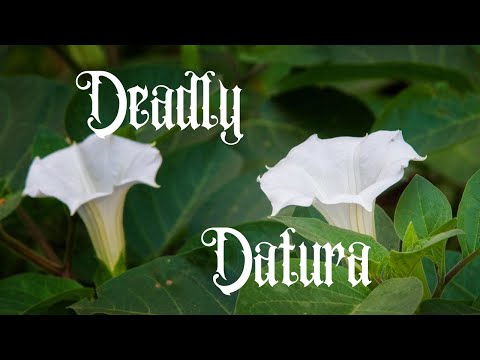
Hey there! You may have heard of Datura Wrightii, or more commonly, the Angel’s Trumpet. It’s a plant that sure looks enchanting with its beautiful white flowers. But there’s a lot more to it than just pretty petals.
What is Datura Wrightii?
Datura Wrightii is a perennial shrub native to the southwestern United States and Mexico. It grows tall and wide, often found in desert areas. Its flowers can be over six inches long and have a unique trumpet shape, which gives it its name.
Health Uses
This plant has been used in traditional medicine for centuries. Some cultures have employed it for pain relief and as a muscle relaxant. People sometimes use extracts of the plant for respiratory issues, like asthma, because it can help open airways.
It also contains alkaloids like scopolamine and atropine. These compounds might influence your nervous system in various ways. However, it’s essential to note that these effects are complex.
Possible Side Effects
The flip side is that Datura Wrightii isn’t exactly harmless—far from it! The same compounds that might provide benefits can also cause serious side effects. You could experience confusion, hallucinations, or even severe respiratory issues if ingested improperly.
Sometimes people might mistake the plant for something harmless due to its beauty and allure, leading to dangerous situations.
Cautions to Consider
If you’re thinking about using Datura Wrightii for health purposes, please tread carefully! Always consult with someone knowledgeable before trying it out.
This isn’t just any garden flower; it’s powerful and potentially harmful!
The Bottom Line
I know Datura Wrightii sounds fascinating, but remember: beautiful doesn’t equal safe. Understanding both its potential benefits and drawbacks is vital before getting involved with the plant.
Unlock the Secrets of Nature for Lush and Vibrant Hair
Understanding Datura Wrightii
Datura Wrightii, also known as Jimson weed or angel’s trumpet, is a plant that’s both beautiful and potentially dangerous. It has large, trumpet-shaped flowers and lush green leaves. While some people admire it for its aesthetics, it’s important to understand that this plant can have serious health implications.
Health Uses
Traditional medicine sometimes utilizes Datura Wrightii for various purposes. In some cultures, it’s been used to relieve pain or treat respiratory issues. The leaves contain alkaloids that may have certain effects on the body.
However, these uses are not widely supported by modern scientific research. That means relying on Datura for health benefits isn’t really a good idea without proper guidance from someone knowledgeable in the field.
How Does It Affect Hair?
People might search for natural ways to improve their hair health through plants like Datura Wrightii. Some believe that the nutrients in such plants could promote growth or shine. But here’s the thing: there’s no definitive evidence that Datura specifically benefits hair health.
If you’re after luscious locks, there are plenty of other natural options like aloe vera or coconut oil that are more well-studied and generally considered safer.
Possible Side Effects
Datura Wrightii can be toxic if ingested or improperly used. Symptoms of poisoning can include confusion, hallucinations, and even serious complications like respiratory failure. It’s crucial to treat this plant with respect—it’s not just pretty; it can be harmful.
If you ever think you might want to try something from nature for your health or beauty regimen, always do your homework! Check with someone who understands herbs properly before diving in.
Cultural Significance
In some areas, this plant has historical significance and is incorporated into rituals or traditional medicines. Still, even within cultural contexts, caution is advised due to its potency and potential dangers.
A Final Thought
The allure of nature’s remedies can be strong. While plants like Datura Wrightii might seem intriguing at first glance, it’s vital to approach them carefully—and consider looking into better-known herbal alternatives instead when it comes to personal care or health solutions!
Datura Wrightii: Health Uses and Possible Side Effects
Datura Wrightii, commonly known as Jimsonweed or sacred thorn-apple, is a plant that’s captured attention for both its potential health benefits and its dangers. For centuries, various cultures have utilized it in traditional medicine. However, understanding its uses and risks is crucial.
The plant contains alkaloids like atropine, scopolamine, and hyoscyamine. These compounds can have therapeutic effects. For example, scopolamine is used to treat motion sickness and postoperative nausea. Atropine has applications in treating bradycardia—when the heart beats too slowly.
Despite these benefits, Datura Wrightii isn’t without risks. It’s highly toxic when consumed improperly. Side effects can include hallucinations, delirium, rapid heartbeat, and even respiratory failure in severe cases. This makes it essential to approach this plant with caution.
Realistically speaking, while there are health uses for Datura Wrightii under expert supervision, self-treatment can lead to serious health emergencies. Therefore, awareness of both its medicinal properties and dangers should be paramount for anyone considering its use.
In summary the allure of natural remedies can sometimes mask hidden dangers. Always consult a healthcare professional before trying any new treatment derived from plants like Datura Wrightii.