The information provided in this article is intended solely for general informational and educational purposes. It does not constitute medical advice, diagnosis or professional treatment, and should not be considered a substitute for consultation with a qualified doctor or other licensed healthcare professional. Any health-related decisions should be made in consultation with accredited medical professionals.
While efforts have been made to ensure the information is accurate and up to date, no guarantees are given—either express or implied—regarding its accuracy, completeness, currency or suitability. Use of this information is at your own discretion.
It is strongly recommended to consult official sources such as the NHS (National Health Service) or other recognised medical institutions before acting on any information contained on this website or article. Under no circumstances should professional medical advice be ignored or delayed due to content read here.
This content is of a general and informational nature only. It is not intended to replace individualised guidance from a healthcare professional or to establish any doctor-patient relationship. The publication of this information does not imply any professional responsibility, guarantee or obligation on the part of the author or this site.
Have you ever felt your heart race when experiencing shortness of breath? It’s a scary feeling, especially now with COVID-19 around. A pulse oximeter, that little device that clips onto your finger, can help measure the oxygen levels in your blood. But do you really need one during the pandemic?
This article will walk you through the basics of pulse oximeters and why they became popular during COVID-19. You’ll learn how they work, their importance in monitoring your health, and when to consider using one. Understanding this stuff is super important because keeping an eye on your oxygen levels can be crucial if you’re dealing with respiratory challenges.
In a world where health concerns often seem overwhelming, having the right tools at your disposal can make all the difference. Just remember, while this article provides useful information, it doesn’t replace professional medical advice. Always consult a healthcare professional for personalized recommendations regarding your health.
Understanding Your Oxygen Levels: Key Signs to Watch During COVID
Oxygen levels play a vital role in how our bodies function. When you’re sick with COVID-19, monitoring these levels can be especially important. It helps you understand if your body is getting enough oxygen.
What is a Pulse Oximeter?
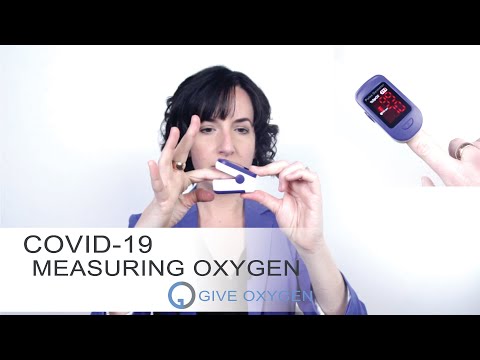
A pulse oximeter is a small device that clips onto your fingertip, like a tiny clothespin. It measures the amount of oxygen in your blood. Basically, it’s like having a little window into how well your lungs are working.
Why Check Your Oxygen Levels?
COVID-19 can affect your lungs, sometimes without obvious symptoms at first. This means you may feel fine while your oxygen levels drop. Monitoring can help you catch any issues early.
Normal Oxygen Levels
Normally, healthy oxygen saturation levels range from 95% to 100%. If it drops below this range, it can be concerning. Just remember that small fluctuations can happen and may not always mean something serious.
Signs of Low Oxygen Levels
- Dizziness or confusion – if you’re feeling lightheaded, pay attention.
- Shortness of breath – struggling to breathe might indicate trouble.
- Cyanosis – bluish tinge on lips or face means urgent attention might be needed.
- Persistent coughing – especially when accompanied by other symptoms.
You Don’t Need to Panic
If you notice symptoms or low readings on your pulse oximeter, try not to freak out right away. It’s important to assess the situation calmly and consider seeking advice from healthcare providers.
When Should You Get Help?
If your oxygen level falls below 90%, it’s definitely time to reach out for help. Other signs like difficulty breathing or persistent chest pain should also be taken seriously and discussed with someone who knows more about medicine than I do.
Your Own Health Matters
This isn’t just about numbers; it’s about listening to your body. If something doesn’t feel right—even if the pulse oximeter readings seem okay—don’t hesitate to seek further assistance.
The Bottom Line
A pulse oximeter can be a helpful tool during COVID-19 for monitoring oxygen levels. Knowing key signs of low oxygen helps keep track of your health and act proactively if needed. Just remember: this tool is there for guidance—not as a standalone solution!
Understanding the Risks of Low Oxygen Levels During COVID-19
Understanding Low Oxygen Levels
Hey, let’s talk about low oxygen levels and why it’s important, especially during COVID-19. When your body doesn’t get enough oxygen, it can lead to some serious issues. Think of oxygen like fuel for a car; without it, the engine just won’t run properly.
What Happens During COVID-19?
COVID-19 can cause inflammation in the lungs, making it harder for your body to take in oxygen. In some cases, you might not even notice this happening. This is where a pulse oximeter becomes handy.
What’s a Pulse Oximeter?
A pulse oximeter is a small device that clips onto your finger. It measures your blood’s oxygen saturation level—basically how much oxygen is in your bloodstream. It’s super simple to use and provides quick readings.
Why Do You Need One?
- Early Detection: Many people with COVID-19 may not feel short of breath initially. A pulse oximeter helps catch low oxygen levels before they become serious.
- Monitoring: If you have COVID-19 symptoms at home, regularly checking your oxygen levels can help determine if you need medical attention.
- Peace of Mind: Knowing your numbers can help reduce anxiety during an already stressful time.
The Ideal Oxygen Level
The normal range for blood oxygen saturation is usually between 95% and 100%. When it drops below 90%, that’s often a sign something is wrong. Just remember that everyone’s body reacts differently; what’s normal for you might be different from someone else.
A Few Caveats
If you’re wearing nail polish or have certain conditions like poor circulation, the reading might be inaccurate. So ensure nothing interferes wiht the device while using it! And hey, if you notice low readings frequently or feel unwell, reach out to healthcare providers promptly; it’s better to be safe than sorry!
Myths About Low Oxygen Levels
- You Will Always Feel Short of Breath: Not true! You might feel perfectly fine even with low levels.
- You Only Need One If You’re Sick: Actually, having one at home can help anyone keep track of their health!
Coping Strategies
If you’re worried about low oxygen levels during virus outbreaks, stay hydrated and try deep breathing exercises—these can sometimes help improve lung function temporarily. But remember: these are temporary fixes and not substitutes for proper care!
Your Overall Health Matters
This isn’t just about numbers; it’s about listening to your body too! Aside from checking with devices like pulse oximeters, keeping up with general health practices goes a long way in supporting lung function and overall wellbeing.
This whole situation is pretty overwhelming sometimes as we’re all learning more about COVID-19 daily. It’s okay to ask questions and seek information that empowers you to take control of your health!
Understanding the Risks and Signs of Oxygen Depletion in Your Body
Oxygen is crucial for our survival. It’s what helps our cells produce energy. When there isn’t enough oxygen, a condition known as hypoxia occurs. Hypoxia can be serious, so recognizing its signs is important.
What Causes Oxygen Depletion?
There are several reasons your body might not get enough oxygen. Sometimes it’s due to lung diseases like asthma or COPD. Other times, it could be an obstruction in the airways, or even high altitudes where there’s less oxygen available.
In COVID-19 cases, some people experience significant drops in oxygen levels due to pneumonia caused by the virus. If you’re feeling unwell with COVID-19 symptoms, it’s especially crucial to monitor your breathing.
Signs of Low Oxygen Levels
You may wonder how to tell if you’re having low oxygen levels or if someone else is. Some common signs include:
- Shortness of breath
- This overwhelming feeling of fatigue
- A bluish tint to lips or fingernails (a sign called cyanosis)
- Dizziness or confusion
- A fast heartbeat
If you notice any of these symptoms, that might be a signal to seek help.
The Role of Pulse Oximeters
A pulse oximeter is a little device that clips onto your finger and measures the saturation of oxygen in your blood. It’s non-invasive, meaning it doesn’t hurt at all.
During the pandemic, many people started using pulse oximeters at home to keep track of their oxygen levels. Knowing if you’re at risk for hypoxia provides peace of mind—especially when other symptoms arise.
Why Monitor Oxygen Levels?
If you’re dealing with respiratory issues like asthma or have had COVID-19 recently, monitoring your oxygen levels can help you make informed decisions about seeking medical care. You wouldn’t ignore a warning light on your car dashboard; why ignore warnings from your body?
User Discretion Is Important
Keeps in mind that while pulse oximeters are helpful, they’re not perfect tools. Factors such as skin tone, cold fingers, and nail polish can affect readings.
Always consult with a healthcare professional when interpreting results.
Taking Action When Needed
If you do find yourself consistently having low readings from a pulse oximeter, it’s essential to talk to someone who can help: that’s really the way forward! Low oxygen levels are nothing to take lightly—early intervention can make all the difference.
Your body gives signals for a reason; watch out for them! Understanding these concepts can help empower you and others around you during challenging health times.
Do You Need a Pulse Oximeter During COVID-19?
When COVID-19 became a global concern, many people started looking for ways to monitor their health at home. One tool that gained popularity was the pulse oximeter. This small device measures the oxygen saturation level in your blood. But, do you actually need one?
Generally, a pulse oximeter can be helpful for individuals with certain health risks or those already diagnosed with COVID-19. If you’re feeling unwell and experience symptoms like shortness of breath, having one can provide peace of mind. It gives you insight into how well your lungs are working.
However, it’s important to understand that not everyone needs this device. Healthy individuals may not find it necessary unless they develop symptoms indicating lower oxygen levels. A reading below 92% is commonly considered concerning and may warrant medical attention.
Ultimately, it’s also crucial to remember that a pulse oximeter does not replace professional medical judgment. It’s merely a tool to help you track your condition at home.
If you’re on medications or have underlying health issues like asthma or COPD, discussing the use of a pulse oximeter with your healthcare provider makes sense. They can guide you on what readings might indicate a need for further evaluation.
The best approach is always to stay informed and connected with healthcare professionals if you’re feeling uncertain about your health during this pandemic.