
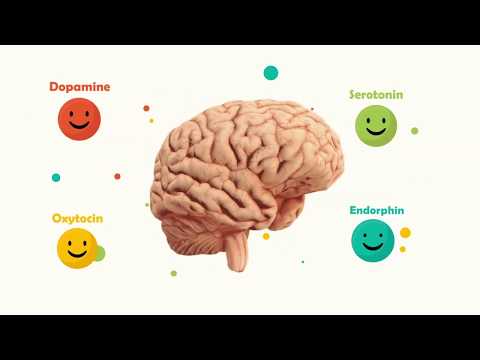
Dopamine is often called the “feel-good” neurotransmitter, but its role in body chemistry goes far beyond just mood enhancement. Think of dopamine as a key player in a complex orchestra that regulates various processes within your body. It influences not only how we feel pleasure but also our motivation, movement, and even our responses to certain drugs and hormones.
Imagine dopamine as a messenger, delivering crucial information between nerve cells. When its levels are balanced, it helps us focus, enjoy life, and stay motivated. However, an imbalance can lead to issues such as addiction or mood disorders. This intricate dance of dopamine interacts with drugs like stimulants or depressants and harmonizes with hormones that affect stress and happiness.
It’s fascinating how one small molecule can have such a profound impact on our lives!
However, it’s important to approach the topic of dopamine with caution. Dopamine’s role in body chemistry is complex, influenced by individual health conditions and personal circumstances. Misunderstanding its function or becoming overly reliant on substances meant to manipulate dopamine could lead to serious consequences.
Before making decisions about your health based on information you find online or from friends, be sure to consult different specialists and explore various media sources for a well-rounded understanding. Empower yourself with knowledge so that you can make informed choices that support your well-being!
The information provided in this article is intended solely for general informational and educational purposes. It does not constitute medical advice, diagnosis or professional treatment, and should not be considered a substitute for consultation with a qualified doctor or other licensed healthcare professional. Any health-related decisions should be made in consultation with accredited medical professionals.
While efforts have been made to ensure the information is accurate and up to date, no guarantees are given—either express or implied—regarding its accuracy, completeness, currency or suitability. Use of this information is at your own discretion.
It is strongly recommended to consult official sources such as the NHS (National Health Service) or other recognised medical institutions before acting on any information contained on this website or article. Under no circumstances should professional medical advice be ignored or delayed due to content read here.
This content is of a general and informational nature only. It is not intended to replace individualised guidance from a healthcare professional or to establish any doctor-patient relationship. The publication of this information does not imply any professional responsibility, guarantee or obligation on the part of the author or this site.
Unlocking the Secrets of Dopamine: How This Powerful Neurotransmitter Shapes Our Mood and Motivation
Dopamine is a neurotransmitter, which is a chemical messenger in our brain. It plays a crucial role in how we feel and what motivates us. Think of dopamine as a reward system. When we do something enjoyable, like eating delicious food or spending time with friends, our brain releases dopamine.
This release signals pleasure and satisfaction, pushing us to repeat those actions. It’s like giving yourself a pat on the back every time you accomplish something good.
However, dopamine isn’t just about feeling good. It also influences our ability to think clearly and make decisions. High levels of dopamine can enhance our focus and cognitive abilities, while low levels might leave us feeling sluggish or unmotivated.
Interestingly, certain substances can affect dopamine levels too. For instance, drugs such as cocaine or amphetamines can trigger overwhelming surges of dopamine. This may lead to addiction because the body craves that high level of pleasure repeatedly.
But it’s important to note that not all boosting methods are harmful. Activities like exercising and meditating can naturally increase your brain’s dopamine production without any side effects.
Many people believe that they should constantly boost their dopamine levels for happiness. However, balance is essential; too much excitement might lead to behavior that’s impulsive or dangerous.
Making small lifestyle changes can help keep your dopamine regulation healthy:
Understanding the role of dopamine helps us see why it’s so important in our daily lives. It shapes how we feel about ourselves and how motivated we are to pursue our dreams.
So next time you accomplish something—no matter how small—remember that little spark of joy you feel? That’s your brain rewarding you with a dose of dopamine!
Unraveling the Link Between Pleasure and Addiction
The relationship between pleasure and addiction is a fascinating topic. At the heart of it all, there’s a neurotransmitter called dopamine. This chemical is often referred to as the “feel-good” hormone because it plays a major role in how we experience pleasure.
When you engage in activities that you enjoy—like eating tasty food or spending time with loved ones—your brain releases dopamine. This surge creates feelings of happiness and satisfaction. It’s like a little reward system, encouraging you to repeat those behaviors.
However, this same mechanism can also lead to addiction. When substances like drugs or alcohol are involved, they can cause an even larger release of dopamine compared to natural rewards. This heightened feeling can be so powerful that people often find themselves chasing that high repeatedly.
Over time, the brain adapts to these increased levels of dopamine. It starts to require more of the substance to achieve the same pleasurable effects. This is similar to needing a stronger cup of coffee every day just to feel awake.
It’s essential to understand that addiction isn’t simply about willpower or making poor choices. It’s a complex interplay between biology and behavior. For some people, certain risk factors—like genetics or mental health issues—can make them more susceptible.
Debunking common myths is also crucial here. Not everyone who tries substances will become addicted; many factors play into this outcome. Also, not all addictions look alike. They can manifest in various forms beyond drugs and alcohol—like gambling or even excessive screen time.
Recognizing the signs of addiction requires honest reflection and sometimes help from others. Understanding why we seek pleasure provides valuable insights into our behavior and choices.
If you ever think someone may be struggling with these issues—including yourself—reaching out for support is important. Everyone deserves help when navigating complex emotions related to pleasure and pain.
In conclusion, while dopamine plays an integral role in our experiences of joy and reward, it also reveals the delicate balance between healthy pleasures and potential pitfalls like addiction. Being aware empowers us toward healthier choices in life’s journey for happiness.
Unraveling the Magic: How Dopamine Influences Mood, Motivation, and More
Dopamine is often called the “feel-good” chemical, but its role in our body goes much deeper than that. It’s a neurotransmitter, which means it helps send signals in the brain. Think of it as a messenger that helps communicate feelings and behaviors.
One of the most important jobs of dopamine is to influence mood. When dopamine levels are healthy, we generally feel happy and motivated. Low levels can lead to feelings of sadness or lack of motivation. It’s like turning down the brightness on a TV; everything seems dimmer.
Dopamine also plays a big part in motivation. When we anticipate rewards, like finishing a project or enjoying a delicious meal, our brain releases dopamine. This release creates a sense of pleasure and encourages us to pursue goals. It’s like receiving a little pat on the back from your brain for making progress.
On top of mood and motivation, dopamine is vital for movement. In fact, it’s linked to our ability to control muscle movement. People with Parkinson’s disease have low dopamine levels and experience tremors and stiffness. This shows just how crucial it is for physical coordination.
Moreover, dopamine influences our addictive behaviors. Drugs like cocaine or nicotine increase dopamine levels rapidly, leading to intense feelings of pleasure. However, this quick spike can create addictive patterns as your brain craves that same high again.
You might wonder how hormones come into play with dopamine. Hormones like estrogen can affect how much dopamine is released in the brain. This means factors such as menstrual cycles or menopause could influence mood swings through their impact on dopamine.
There are myths out there suggesting that simply increasing dopamine can solve complex emotional issues or mental health conditions. That’s not accurate! A balanced approach considering various factors—like diet, exercise, sleep—can support healthy dopamine levels rather than just focusing on increasing it.
Remember that healthy habits can boost your overall well-being naturally:
Being informed about how neurotransmitters work can help you make better health decisions without getting caught up in fads or misleading information. Understanding dopamine’s role offers insights into managing your mood and motivation effectively while nurturing overall mental health.
Dopamine plays a crucial role in our body chemistry, influencing both our physical and mental health. It is commonly known as the “feel-good” neurotransmitter because it helps regulate mood, motivation, and pleasure. However, its function extends beyond mere happiness; it’s involved in movement control, reward systems, and even the regulation of certain hormones.
When we engage in activities we enjoy, like eating chocolate or exercising, dopamine levels surge. This creates a rewarding sensation that encourages us to repeat these behaviors. In essence, dopamine acts like a currency for pleasure in our brain.
However, the relationship between dopamine and drugs can be problematic. Certain substances—such as cocaine or nicotine—hijack the brain’s natural reward system. They cause abnormal spikes in dopamine levels, leading to feelings of euphoria but also potential addiction. Over time, this can diminish the brain’s ability to produce dopamine naturally and may result in mood disorders.
It’s essential to recognize that not all changes in dopamine are negative; balanced levels contribute to overall well-being. Hormones like serotonin and oxytocin also interact with dopamine pathways, highlighting a complex web of body chemistry rather than isolated functions.
In summary, understanding dopamine’s role invites us to reflect on how we seek pleasure and manage stress. The interplay between drugs and hormones is nuanced—what feels good today might have consequences tomorrow. The more we educate ourselves about these dynamics, the better equipped we are to make informed choices for our health.


