After a tooth extraction, many people look forward to recovery without complications. However, some may experience a condition known as dry socket. This can turn an otherwise simple healing process into a more painful experience. Understanding dry socket is important—it’s not just an inconvenience; it can significantly affect your comfort during recovery.
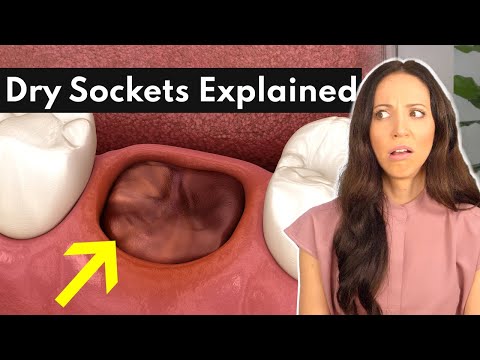
Dry socket occurs when the blood clot at the extraction site dissolves or dislodges before healing is complete. This exposes underlying bone and nerves, leading to sharp pain. It’s essential to recognize early symptoms so you can address them promptly.
Curious about how dry socket develops? Let’s explore its causes, symptoms, and remedies together. Knowledge is power, especially when it comes to your health!
But be cautious! While learning about dry socket is valuable, it’s crucial to seek information from various healthcare professionals and reliable sources. Different specialists may offer unique insights based on their expertise. Always double-check what you learn through trusted media outlets or consult directly with your healthcare provider for tailored advice. Taking charge of your dental health means staying informed!
The information provided in this article is intended solely for general informational and educational purposes. It does not constitute medical advice, diagnosis or professional treatment, and should not be considered a substitute for consultation with a qualified doctor or other licensed healthcare professional. Any health-related decisions should be made in consultation with accredited medical professionals.
While efforts have been made to ensure the information is accurate and up to date, no guarantees are given—either express or implied—regarding its accuracy, completeness, currency or suitability. Use of this information is at your own discretion.
It is strongly recommended to consult official sources such as the NHS (National Health Service) or other recognised medical institutions before acting on any information contained on this website or article. Under no circumstances should professional medical advice be ignored or delayed due to content read here.
This content is of a general and informational nature only. It is not intended to replace individualised guidance from a healthcare professional or to establish any doctor-patient relationship. The publication of this information does not imply any professional responsibility, guarantee or obligation on the part of the author or this site.
Navigating the Uncertainty: Identifying Dry Socket vs. Typical Healing Discomfort
After a tooth extraction, understanding what’s happening in your mouth can be tricky. One common concern is distinguishing between typical healing pain and the discomfort of a dry socket. Let’s break it down.
Firstly, what is dry socket? After a tooth is removed, a blood clot forms in the socket to protect the bone and nerves underneath. If this clot dislodges or dissolves too early, it can result in dry socket. It exposes nerves and bones, leading to more intense pain.
Typical healing discomfort generally feels like soreness or tenderness around the extraction site. This can be managed with over-the-counter pain relief and usually subsides within a few days.
Now, how do you tell them apart? Here are some key differences:
Next up is what causes dry socket? Several factors can lead to this condition:
It’s important to keep an eye on your symptoms. You should reach out for help if you suspect something isn’t right.
Treating dry socket often involves rinsing the area and applying medicated dressings. Managing pain with prescribed medication may also be necessary.
Remember that every person heals differently. If you’re ever uncertain about what you’re experiencing after an extraction, don’t hesitate to seek advice from someone who can help further.
Staying informed empowers you to navigate these uncertainties better!
Identifying Other Dental Issues That Mimic Dry Socket Symptoms
When people experience pain after a tooth extraction, they often worry about dry socket. But not all post-extraction pain is due to dry socket. It’s important to recognize other dental issues that can have similar symptoms.
Dry socket occurs when the blood clot at the extraction site dislodges or fails to form. This leads to exposure of the bone and nerves underneath, causing intense pain. However, there are several other conditions that might mimic these symptoms.
First, consider infection. After an extraction, bacteria can invade the open wound. This can lead to swelling, redness, and pus around the gums. The pain from an infection may also feel sharp and throbbing, similar to dry socket.
Another possible issue is alveolar osteitis, which refers to inflammation in the bone surrounding the tooth. While it’s closely related to dry socket, it may not present with all the typical symptoms of it.
Dental abscesses are also a key player here. They form when bacteria infect the tissue around a tooth or gum area. The resulting pressure can cause excruciating pain that feels like dry socket but usually includes swelling and sometimes fever.
Additionally, impacted food particles can create discomfort too. If snacks or debris get trapped in the empty socket after extraction, they can irritate surrounding tissues leading to soreness resembling dry socket.
Sometimes,
, and nerve damage during extraction may contribute to similar discomfort as well.
It’s vital to monitor any post-extraction symptoms closely. Immediate follow-up with a dental professional is recommended if you experience severe or prolonged pain after a tooth removal procedure.
Being aware of these other possibilities helps you make informed decisions about your oral health without jumping straight into conclusions about dry socket alone. Remember that proper care post-surgery significantly reduces risks for complications like these!
Recognizing the Signs and Symptoms of a Painful Post-Dental Experience
Experiencing pain after dental work can sometimes be expected. However, if the discomfort is unusual or severe, it might be a sign of a condition called dry socket. Let’s explore what that means, how to recognize the symptoms, and why it happens.
After a tooth is removed, a blood clot usually forms at the extraction site. This clot protects the bone and nerves underneath, much like a scab on a wound. If this clot dislodges or dissolves too early, it can lead to dry socket.
Symptoms of dry socket include:
Many factors contribute to dry socket. For example:
If you think you have dry socket, it’s important to reach out for help. While home remedies exist—like rinsing with salt water—they often don’t address the underlying issue fully.
Recognizing these signs early can lead to quicker relief and healing. Always remember that your comfort matters. Don’t hesitate to speak with someone who can provide tailored advice regarding your situation.
In summary, pay attention to any unusual pain after dental work. Knowing what signs to look for can make all the difference in getting effective care and support when needed. Your oral health is an essential part of overall wellness!
Dry socket, clinically known as alveolar osteitis, is a painful condition that can occur following a tooth extraction, particularly with wisdom teeth. Understanding its symptoms, causes, and remedies is essential for anyone undergoing dental procedures.
Symptoms of dry socket typically include severe pain that develops a few days post-extraction, an unpleasant taste in the mouth, and visible bone where the tooth used to be. This pain often radiates to the ear or neck and may worsen when swallowing or talking.
Causes can be attributed to various factors. The most common reason is the premature loss of the blood clot that forms in the extraction site. This clot acts as a protective covering over the bone and nerves beneath it. Factors contributing to this loss include smoking, poor oral hygiene, traumatic extractions, or certain hormonal changes.
Fortunately, there are effective remedies. If you suspect you have dry socket, it’s crucial to return to your dentist for evaluation. Treatment often involves cleaning the wound and applying medicated dressings to alleviate pain and promote healing. Pain relief can also be managed with over-the-counter medications.
Preventing dry socket starts before surgery by following your dentist’s pre- and post-operative care recommendations. Avoiding tobacco products is particularly important since they can hinder healing.
In summary, while dry socket can be uncomfortable, understanding its symptoms and causes helps in managing expectations after dental work. If any concerning signs arise post-extraction, don’t hesitate to seek professional advice for prompt care and resolution.