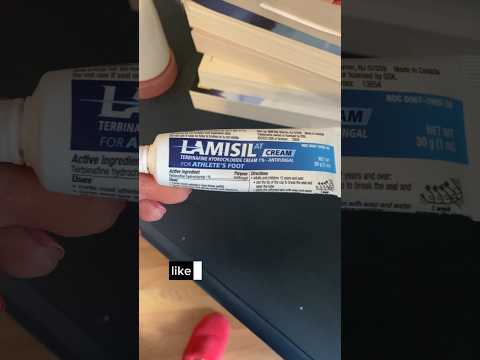
Athlete’s foot is more than just an annoying itch. It’s a common fungal infection that thrives in warm, damp environments, like your favorite gym locker room or even between your toes. It can cause discomfort and embarrassment, but it doesn’t have to keep you on the sidelines. Understanding effective medications to tackle this condition today can empower you to take control and get back to doing what you love.
Imagine athlete’s foot as an uninvited guest: irritating and persistent. But with the right treatments, you can show that guest the door. Over-the-counter antifungal creams, sprays, or powders often work wonders by targeting the fungus directly. In some cases, prescription medications may be necessary for stubborn infections.
However, it’s important to approach treatment thoughtfully. Not every medication works for everyone, and self-diagnosing might lead you down the wrong path. Take time to research your options through various healthcare professionals and credible resources. This way, you’ll be making informed decisions rather than relying solely on quick fixes or popular myths.
Empower yourself with knowledge! By understanding athlete’s foot better, you’re already on your way to conquering it effectively.
The information provided in this article is intended solely for general informational and educational purposes. It does not constitute medical advice, diagnosis or professional treatment, and should not be considered a substitute for consultation with a qualified doctor or other licensed healthcare professional. Any health-related decisions should be made in consultation with accredited medical professionals.
While efforts have been made to ensure the information is accurate and up to date, no guarantees are given—either express or implied—regarding its accuracy, completeness, currency or suitability. Use of this information is at your own discretion.
It is strongly recommended to consult official sources such as the NHS (National Health Service) or other recognised medical institutions before acting on any information contained on this website or article. Under no circumstances should professional medical advice be ignored or delayed due to content read here.
This content is of a general and informational nature only. It is not intended to replace individualised guidance from a healthcare professional or to establish any doctor-patient relationship. The publication of this information does not imply any professional responsibility, guarantee or obligation on the part of the author or this site.
Discover the Best Solutions for Fast Relief and Healing
Athlete’s foot is a common fungal infection that affects many people. It’s usually caused by warm, moist conditions that allow fungi to thrive. If you’ve ever had it, you know how uncomfortable and itchy it can be.
Finding the right solution for fast relief begins with understanding your options. Over-the-counter antifungal creams are a popular choice. These medications come in various forms such as creams, powders, and sprays.
Here are some effective types:
These products typically need to be applied directly to the affected area. They work by disrupting the fungus’s ability to grow and reproduce. Many people find relief within a few days of starting treatment.
Besides medications, there are other practical steps you can take. Keeping your feet clean and dry is crucial. Change socks frequently if they become damp, and opt for breathable footwear when possible.
Consider these tips for prevention:
While treatments can alleviate symptoms, it’s essential to complete the entire course of any antifungal medication you choose. Stopping early may allow the infection to return.
If over-the-counter options don’t work after a couple of weeks, consider reaching out for further guidance. Some fungal infections may require stronger prescription medications or other interventions.
Remember that everyone’s skin responds differently to treatments. Keep track of what works best for you as individual results may vary.
By understanding these basic approaches, you’re on your way to dealing effectively with athlete’s foot. Embrace good foot hygiene and stay informed about your options for better health!
Speedy Solutions to Banish Foot Fungus for Good
When it comes to foot fungus, particularly athlete’s foot, understanding the basics is key. This condition is caused by fungi that thrive in warm and moist environments. Think of it like weeds in a garden; if conditions are right, they will grow and spread.
Preventing exposure to these fungi is the first line of defense. Here are some helpful tips to keep your feet healthy:
If you find yourself dealing with athlete’s foot, there are various effective medications available. Over-the-counter antifungal creams and powders can help tackle the infection directly.
Common options include:
These products work by stopping fungi from reproducing. They can be likened to weed killers; they don’t just cover the issue but target it at its source.
In addition to topical treatments, maintaining good hygiene is crucial. washing your feet regularly with soap and drying them thoroughly can make a big difference.
Even if you’re using medication, keep an eye on your symptoms. If they worsen or don’t improve within a couple of weeks, seeking out additional advice may be necessary.
Remember that healing takes time; patience is important. A combination of proper treatment and preventive practices usually leads to better outcomes over time.
Lastly, staying informed about proper care for your feet can prevent future occurrences of athlete’s foot. Sometimes awareness and action can be your best tools against these pesky fungi!
Unlocking Effective Solutions for Soothing and Healing Athlete’s Foot
Athlete’s foot is a common fungal infection that affects many people. It usually appears between the toes or on the soles of the feet. The main cause is a type of fungus that thrives in warm, moist environments.
The symptoms can be quite uncomfortable. You might experience itching, redness, and even peeling skin. In some cases, blisters can form. This condition doesn’t just affect athletes; anyone can get it.
Understanding Treatment Options is key to finding relief. Over-the-counter antifungal medications are often the first line of defense. These come in various forms like creams, powders, and sprays. They work by stopping the fungus from growing.
Here are some common
to look for:
Each of these ingredients targets the fungi directly, helping to reduce symptoms over time.
In addition to topical treatments, keeping your feet dry is essential. Fungi love dampness, so ensure your feet are completely dry after washing them. Consider using moisture-wicking socks and breathable footwear.
Another helpful practice is maintaining good hygiene. Regularly washing your shoes and changing socks can limit fungal growth significantly.
While medications and good hygiene practices play a vital role in healing athlete’s foot, it’s also important to avoid common myths. For instance, many believe that athlete’s foot only occurs among athletes or those who go barefoot frequently; this isn’t true at all.
If you notice your symptoms getting worse or not improving after several weeks of treatment, it may be wise to consult someone with more expertise in health care options.
Ultimately, being informed about athlete’s foot can empower you to make sound choices for managing and treating this pesky condition effectively!
Athlete’s foot, a common fungal infection, can be both irritating and uncomfortable. Understanding effective medications is key to managing this condition.
Over-the-counter antifungal creams, powders, and sprays are widely available and effective for many individuals. Clotrimazole and miconazole are two popular options. They work by directly targeting the fungus and inhibiting its growth.
For stubborn cases, prescription medications like terbinafine may be necessary. This medication is taken orally and tackles the infection from within.
It’s crucial to practice good hygiene during treatment as well. Keeping feet dry and clean prevents further fungal growth. Wearing breathable shoes can also make a significant difference.
A common myth is that athlete’s foot is only a concern for athletes or those who frequent gyms. In reality, anyone can develop this infection, especially in warm, moist environments.
In summary, effective management of athlete’s foot involves a combination of appropriate medications and preventive measures to ensure full recovery and reduce recurrence. Always consult with a healthcare provider if symptoms persist or worsen.