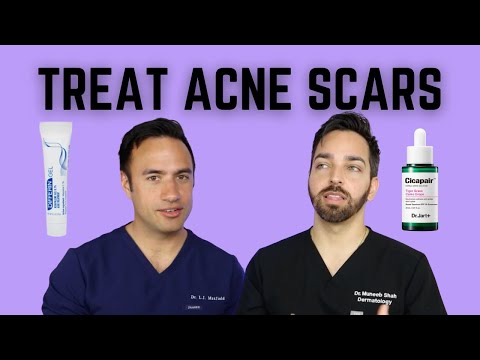
The information provided in this article is intended solely for general informational and educational purposes. It does not constitute medical advice, diagnosis or professional treatment, and should not be considered a substitute for consultation with a qualified doctor or other licensed healthcare professional. Any health-related decisions should be made in consultation with accredited medical professionals.
While efforts have been made to ensure the information is accurate and up to date, no guarantees are given—either express or implied—regarding its accuracy, completeness, currency or suitability. Use of this information is at your own discretion.
It is strongly recommended to consult official sources such as the NHS (National Health Service) or other recognised medical institutions before acting on any information contained on this website or article. Under no circumstances should professional medical advice be ignored or delayed due to content read here.
This content is of a general and informational nature only. It is not intended to replace individualised guidance from a healthcare professional or to establish any doctor-patient relationship. The publication of this information does not imply any professional responsibility, guarantee or obligation on the part of the author or this site.
Have you ever looked in the mirror and noticed a scar that just won’t fade? You’re definitely not alone. Face scars can come from various things: acne, cuts, or even surgery. They often leave us feeling self-conscious.
The good news? There are effective treatments and remedies to help reduce their appearance. From over-the-counter solutions to professional procedures, options are out there. Knowing what’s available can empower you to make informed choices.
In this article, we’ll dive into an array of options for treating facial scars. We’ll talk about both natural remedies and advanced medical treatments. You’ll get insights into what works best for different types of scars, as well as some simple home strategies that can help.
It’s important to remember that everyone’s skin is unique. What works for one person might not work for another. Moreover, this content isn’t a substitute for medical advice; always consult with a healthcare professional before starting any new treatment or remedy.
Your journey towards clearer skin starts here! Let’s explore the various ways to tackle those stubborn scars together.
Achieve Smooth, Radiant Skin with These Effective Solutions
Understanding Facial Scars
Facial scars can be a source of frustration for many people. They might come from acne, injuries, or surgeries. The skin’s natural healing process can sometimes leave behind marks that may feel like a reminder of past events.
Think of your skin as a book. Each scar tells a story. But just like with any book, you might want to change the cover or improve the pages so that it looks better overall.
Types of Facial Scars
Scars can vary in appearance. There are several types:
- Atrophic Scars: These are depressed and often associated with acne.
- Hypertrophic Scars: These are raised and usually redder than the surrounding skin.
- Keloid Scars: This is an overgrowth of scar tissue that can extend beyond the original wound area.
- Pigmented Scars: These are discolored patches that may change color over time.
Treatments for Facial Scars
If you’re looking to smooth out those scars, there are various treatments available. Lotions and creams containing ingredients like silicone and vitamin E may help with minor ones.
You might also consider more advanced options such as chemical peels or dermabrasion. Think about these methods as giving your skin a really good exfoliation—it helps remove the top layers where those scars sit!
The Role of Laser Therapy
Laser therapy is another popular solution for facial scars. It works by targeting specific areas with focused light energy to break down scar tissue. This can encourage new, smoother skin to emerge underneath.
Molecular Solutions: Microneedling
This procedure uses tiny needles to create micro-injuries in the skin—sounds scary, right? But what happens is your body responds by producing collagen and elastin, two key proteins for healthy skin. Over time, this can lead to improved texture and tone.
Naturals Remedies
If you’re looking for gentler options, some people turn to natural remedies like honey or aloe vera gel. Both have soothing properties that may promote healing and hydrate the skin.
- Aloe Vera: It’s known for its calming effect on sunburns but can also help with scars due to its anti-inflammatory properties.
- Coconut Oil: Often used for moisturizing; it might help soften scar tissue when massaged in regularly!
The Importance of Sun Protection
No matter which treatment you choose, sun protection is crucial! Ultraviolet rays can darken scars making them more noticeable. Using sunscreen daily is key—you don’t want them standing out even more!
Coping Emotionally with Scarring
A lot of times when we talk about scars, we forget how they impact us emotionally too. It’s completely normal to feel self-conscious about them—it’s okay! Finding supportive communities or forums where people share their experiences might make you feel understood.’
A Holistic Approach
Caring for your skin isn’t only about treatments but also about maintaining a balanced lifestyle. Drinking water often keeps your dead cells moving along while eating healthily ensures your body has what it needs to repair itself properly.. A well-rounded approach will serve you well!
Your Path Forward
Your journey toward smoother skin will take time and patience—there’s no magic bullet here! Consulting with someone experienced in skincare could provide tailored advice suited just for you., Remember that each person’s skin responds differently, so it’s important not rush into decisions without gathering information first!
Discover Effective Solutions to Restore Your Skin’s Smoothness
Understanding Facial Scars
Facial scars can be a result of various factors, like acne, injuries, or surgeries. When skin is injured, it heals by forming new tissue, which is often different from the original skin texture.
This new tissue can look different in color or feel raised compared to the surrounding skin. It’s common for people to want to restore their skin’s smoothness for aesthetic reasons. So what can be done?
Topical Treatments
There are several topical treatments that can help reduce the appearance of scars. These include silicone gels and sheets, which hydrate the scar area and may improve its texture over time.
Another option is vitamin E oil. Some believe it helps with scar healing; however, scientific evidence on this is mixed.
Retinoids
Retinoids are derived from vitamin A and can promote cell turnover. That means they help your skin shed old cells and produce new ones. This could potentially lead to smoother skin.
You might find them in over-the-counter creams or prescription formats. Just remember—starting slowly with any retinoid is key to avoid irritation.
Professional Treatments
If you’re looking for more dramatic results, there are professional options available too. Chemical peels involve applying a solution that exfoliates the outer layer of skin. This can reveal fresher, smoother layers beneath.
Then there’s microdermabrasion — think of it as a super-fine sandblasting for your face! It helps remove dead skin cells and encourages new growth.
Laser Therapy
You might also hear about laser therapy designs specifically for scars. Lasers work by targeting blood vessels or pigments in scars while stimulating collagen production at the same time.
This multifaceted approach may yield positive changes in scar appearance but usually involves multiple sessions.’
The Power of Natural Remedies
Naturally occurring substances sometimes promise improvements too. Honey has been used for centuries as a humectant — that means it helps retain moisture in your skin.
Coconut oil contains fatty acids that could possibly aid healing due to its antimicrobial properties. While these remedies feel nice on your skin, their effectiveness varies from person to person.
Aloe Vera
Aloe vera gel can soothe an irritated area while hydrating it as well. Like honey and coconut oil, though not everyone sees significant improvement using aloe alone.
Your Expectations Matter
No matter what route you choose—topical treatments or professional procedures—understanding expectations is essential.
It’s important not to expect miracles overnight!
Patience tends to pay off when tackling facial scars since healing takes time 🕰️ . Talk with individuals who’ve undergone similar treatments as they could provide valuable insights and support!
Final Thoughts
Smoothening out facial scars involves exploring various options tailored just for you! Everyone reacts differently based on individual factors like scar type and overall health.
You know yourself best so take your time doing research before deciding on any treatment path!
Unlock the Secrets to Flawless Skin from the Comfort of Your Home
Understanding Facial Scars
Facial scars can happen for various reasons. Maybe you had acne, an injury, or even surgery. You know, scars are just a part of the body’s healing process, but they can affect how we feel about ourselves.
Types of Facial Scars
There are different kinds of scars. Some are raised, like keloids. Others might be indented; these include atrophic scars common with acne. Understanding what type you have is the first step towards finding the right treatment.
Over-the-Counter Treatments
You can start with over-the-counter creams and gels that contain ingredients like silicone or vitamin E. Silicone sheets are often recommended because they help in flattening raised scars. They’re a bit like putting a protective layer over your skin.
- Silicone Gel: Forms a protective barrier and helps hydrate the scar.
- Vitamin E: Moisturizes skin and may improve appearance over time.
- AHA/BHA Products: These acids exfoliate the skin and can help with texture issues.
Naturally Sourced Remedies
If you’re into natural remedies, some people find success with honey or aloe vera. Honey is moisturuizing and has antibacterial properties; it can be soothing too. Aloe vera hydrates while helping to heal wounds and may reduce scar visibility.
- Aloe Vera Gel: Often used for sunburns, it’s also great for scarring.
- Coconut Oil: Known for its moisturizing effects; it might promote healing.
Lifestyle Habits Matter
Your daily routine plays a big role in how your skin looks. Drinking plenty of water keeps your skin hydrated from within. Eating a balanced diet rich in vitamins can also support skin health—think fruits, veggies, and whole grains.
Sunscreen is Key
This one’s often overlooked! Wearing sunscreen protects your skin from UV rays that can darken scars over time. It’s like an invisible shield against sun damage that helps your skin heal better.
Professional Treatments
If home remedies don’t quite do it for you, professional options exist too! Treatments like laser therapy or microneedling can sometimes help improve scar texture and color by promoting new collagen growth—collagen is essential for healthy-looking skin!
The Importance of Patience
The thing to remember here is that treating facial scars takes time; they often won’t vanish overnight. Consistency throughout treatments matters more than anything else—and everyone’s skin responds differently!
Cautions to Consider
If you’re uncertain about any product or treatment, it’s wise to consult with someone who knows about skincare—like a dermatologist—for personalized advice tailored specifically to your needs.
Your journey towards smoother skin doesn’t have to delve into complicated science; small steps at home can make a difference! Finding what works best for you might take some trial and error—but that’s completely normal!
Understanding Facial Scars
Facial scars can be a source of concern for many people. They often result from injuries, acne, or surgeries. The appearance and severity of these scars can vary greatly.
Types of Facial Scars
There are several types of facial scars:
- Atrophic Scars: These are often sunken and occur due to loss of tissue. Think of acne scars.
- Hypertrophic Scars: These are raised and usually red or purple. They occur when too much collagen builds up during healing.
- Keloid Scars: A specific type of hypertrophic scar that grows beyond the original wound.
Treatment Options
Treating facial scars involves a range of methods, depending on their type and severity. Common treatments include:
- Topical Treatments: Creams with ingredients like silicone, retinoids, or vitamin E can help improve texture.
- Chemical Peels: This involves applying a solution to remove the top layer of skin, promoting new growth.
- Laser Therapy: This method uses focused light to reduce redness and improve skin texture.
Surgical Options
If scars are particularly severe, surgical options might be appropriate. Procedures like dermabrasion can smooth out surface irregularities. Skin grafting might also be an option for deeper scars.
Coping Mechanisms
Mental well-being is just as important as physical treatment. Many people benefit from talking about their feelings regarding their scars with a therapist or support group. Remember, it’s natural to feel self-conscious about your appearance; many share these struggles.
A Final Thought
No one treatment is perfect for everyone; it’s crucial to work closely with a healthcare provider to find what fits best for your needs. Understanding options can empower you in your journey towards healing and it’s good to stay informed about what’s available!