The information provided in this article is intended solely for general informational and educational purposes. It does not constitute medical advice, diagnosis or professional treatment, and should not be considered a substitute for consultation with a qualified doctor or other licensed healthcare professional. Any health-related decisions should be made in consultation with accredited medical professionals.
While efforts have been made to ensure the information is accurate and up to date, no guarantees are given—either express or implied—regarding its accuracy, completeness, currency or suitability. Use of this information is at your own discretion.
It is strongly recommended to consult official sources such as the NHS (National Health Service) or other recognised medical institutions before acting on any information contained on this website or article. Under no circumstances should professional medical advice be ignored or delayed due to content read here.
This content is of a general and informational nature only. It is not intended to replace individualised guidance from a healthcare professional or to establish any doctor-patient relationship. The publication of this information does not imply any professional responsibility, guarantee or obligation on the part of the author or this site.
Have you ever woken up to itchy, swollen eyelids that just won’t go away? You’re not alone. Many people deal with a condition called blepharitis, which can be quite annoying and uncomfortable. The thing is, it’s more common than you might think.
This article will dive into effective treatments for blepharitis and help you understand when it’s time to seek professional help. We’ll break down the symptoms, causes, and some pretty straightforward ways to manage this condition at home.
You see, blepharitis isn’t just about irritation; it can affect your daily life in unexpected ways. If you’ve noticed that your eyes feel gritty or look red, understanding what’s going on is essential for finding relief.
Now remember, while this information aims to be helpful, it doesn’t replace medical advice. It’s important to talk with a healthcare professional if you’re concerned about your symptoms or before starting any treatment plan. Your health matters!
A Journey to Clearer Eyes and Lasting Comfort
Blepharitis is a common condition causing inflammation of the eyelids, resulting in discomfort and irritation. It can make your eyes feel gritty, red, or watery. If you’ve ever woken up with crusty eyelids or had that annoying itch, you might be dealing with blepharitis.
This condition can be caused by different factors. Sometimes it’s due to oily skin or clogged glands around your eyelashes. Other times, it can be linked to bacteria that naturally live on our skin. You know how we sometimes get buildup on our faces? It’s kind of like that but around the eyes.
Treatment Options
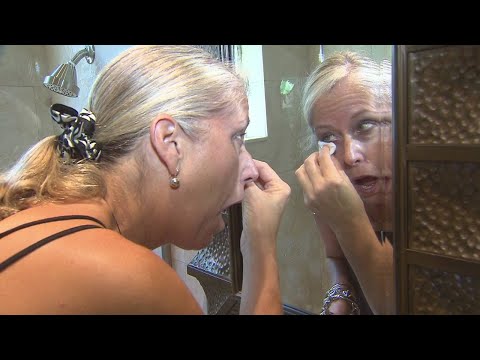
The treatment for blepharitis varies based on its cause. A common starting point is eyelid hygiene. Keeping those eyelids clean helps reduce bacteria and oil buildup. Think of it like washing your face: it removes dirt and keeps your skin happy.
You might consider warm compresses too! Simply soak a clean cloth in warm water, wring it out and place it over your closed eyes for several minutes. This can loosen up any debris stuck in there.
- Antibiotic ointments may be prescribed if there’s a bacterial infection involved.
- In some cases, doctors recommend medicated wipes or solutions designed specifically for eye care.
- For persistent problems, corticosteroids might be suggested to reduce inflammation.
When to Seek Help
If home treatments aren’t working after a few weeks, it’s probably time to talk with someone who understands these issues better. Persistent symptoms could mean there’s more going on beneath the surface.
Look out for signs like sudden vision changes or intense pain—those are big red flags! You know how sometimes you just feel something isn’t right? Trust that instinct when it comes to your eyes.
A Few Lifestyle Tips
Sometimes simple changes can help too. Try not rubbing your eyes—it’s tempting but often aggravates the situation! Also, pay attention when using makeup; ensure it’s hypoallergenic and always remove it before bed.
- If you wear contact lenses, consider taking breaks from them during flare-ups.
- Avoid sharing towels or makeup applicators with others to prevent spreading any potential infection.
- Keep an eye on allergens around you; they could contribute to irritation as well.
Caring for our eyes is really essential since they’re integral to how we experience the world! If these comfort measures aren’t helping as expected—or if you’re unsure about something—definitely don’t hesitate getting professional advice sooner rather than later!
Quick and Simple Tips for Effective Relief
Understanding Blepharitis
Blepharitis is a common condition that leads to inflammation of the eyelids. It can be uncomfortable and might cause redness, itching, and crusty eyelids. Think of it as a skin irritation—like having a rash on your eyelids.
Why Does It Happen?
The causes can vary, but usually it’s due to either seborrheic dermatitis (that’s just fancy for oily skin), bacterial overgrowth, or blocked oil glands in the lids. Sometimes allergies or even certain skin conditions contribute too. It’s like any other part of your body; if things get out of balance, you might experience issues.
Signs You Might Have Blepharitis
- Red or swollen eyelids
- Dandruff-like flakes at the base of lashes
- A gritty feeling in your eyes
- Sensitivity to light or watery eyes
- Crumbling crusts on eyelashes upon waking up
Quick Relief Tips at Home
If you’re dealing with mild symptoms, there are some simple steps to find relief at home:
- Warm compresses: Apply a warm washcloth over your closed eyes for a few minutes. This really helps in loosening crusts and unclogging oil glands.
- Gentle cleansing: Using diluted baby shampoo can help clean the eyelid margins gently. Just be careful not to get it in your eyes.
- Avoid makeup: While you’re having symptoms, skipping eye makeup can reduce irritation. Consider giving those lids a breather!
- Manage allergies: If you suspect allergies are playing a part, avoiding allergens may help ease symptoms.
When to Seek Help
If home care doesn’t improve things after about a week or if your symptoms are severe—like significant pain or vision changes—it’s time to reach out for professional advice. Sometimes blepharitis can lead to more serious issues if not addressed properly.
Possible Treatments from Professionals
If you do need professional help, they might suggest medicated ointments or antibiotic drops depending on what’s causing the blepharitis. Look, honestly, there are times when prescription treatments become necessary—even if you’ve been trying everything else first!
The Bottom Line
Blepharitis can be bothersome but often manageable with some simple steps at home. Taking care of those lids is essential! Not every case will need medical attention right away—but knowing when it’s time to seek help could make all the difference.
Find Relief and Comfort for Your Eyes Today
Understanding Blepharitis
Blepharitis is like having a complicated relationship with your eyelids. It’s an inflammation that can make them red, itchy, and flaky. Imagine your eyelids getting a bit irritated, similar to how your skin reacts when you have dry patches. This condition can be caused by bacteria or even skin conditions like dandruff.
Signs You Might Have Blepharitis
So, what should you look out for? Common symptoms include crusty eyelids, burning sensations, or excessive tearing. You might also notice that your eyes feel tired or gritty, as if there’s something in them all the time. It can be annoying at best.
Why Seek Help?
Sometimes blepharitis might go away on its own with good hygiene habits. But if you notice persistent symptoms, talking to someone who knows about eye health could be helpful. Why? Because untreated blepharitis can lead to more serious conditions like conjunctivitis (that’s an infection of the eye) or even vision problems.
Treatments to Consider
Relief for blepharitis often starts at home. Warm compresses can help loosen debris and make it easier to clean your eyelids. Just take a clean cloth, wet it with warm water, and hold it over your closed eyes for a few minutes—easy peasy!
- Lid Hygiene: Keeping the eyelid area clean is super important. You can use diluted baby shampoo on a cotton swab for this purpose.
- Over-the-Counter Solutions: Some people find over-the-counter eyelid scrubs handy for adding another layer of cleanliness.
- Persistent Symptoms: If home remedies don’t cut it after quite some time—say two weeks—you might need to explore prescription options with help from a healthcare provider.
The Role of Antibiotics
If it gets stubborn and doesn’t budge from home treatments alone, antibiotics might enter the picture. These are usually given topically as ointments or drops rather than pills since we want targeted treatment without messing up other areas.
Caring for Your Eyes Long-Term
You know what? Keeping tabs on eye health is crucial! Regular check-ups can catch issues early on before they turn into bigger problems down the road.
Avoiding irritants such as smoke or certain cosmetics can also give your eyes a fighting chance against flare-ups. It’s just common sense!
Your Comfort Matters
If you ever feel concerned about what’s happening with your eyes, don’t hesitate to reach out for help— it’s totally normal! Your eyes are precious; looking after them should always be a priority. Just remember: you don’t have to endure discomfort alone; support is available!
Effective Treatments for Blepharitis: When to Seek Help
Blepharitis is a common condition, often causing irritation and redness of the eyelids. It can stem from various factors, such as seborrheic dermatitis, bacterial infections, or blocked oil glands. Understanding this condition helps in deciding when treatment is necessary.
The first step in managing blepharitis usually involves good eyelid hygiene. Regular cleaning can alleviate symptoms significantly. Warm compresses can soften crusts on the eyelid margins and help with oil gland drainage. Over-the-counter eyelid scrubs often provide relief too.
For persistent cases, you might consider topical antibiotics or steroid creams if there’s a bacterial infection or significant inflammation. Sometimes oral medications are needed for severe infections or other underlying issues.
But when should you seek help? If your symptoms persist despite home treatment, it’s important to consult a healthcare professional. This step ensures that no underlying conditions are contributing to your discomfort.
Additionally, if you experience blurred vision, sensitivity to light, or worsening redness, these could be signs of more serious issues warranting immediate attention.
In essence, managing blepharitis involves both practical home care and awareness of when professional help is needed. Remembering this balance can make all the difference in finding relief and maintaining eye health.